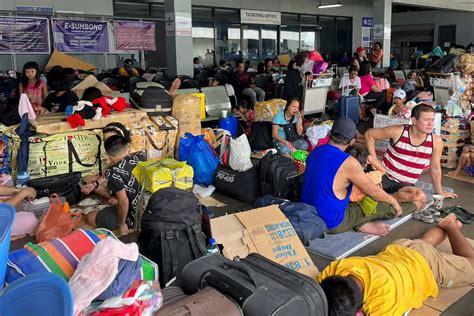
In the face of Severe Tropical Storm Emong, which has wreaked havoc across the Philippines, the tourism industry finds itself at a critical juncture. As heavy rains and flooding sweep through regions like Eastern Visayas, Zamboanga Peninsula, and Northern Mindanao, thousands of tourists are stranded due to widespread flight and ferry cancellations. The Philippine government, recognizing the urgency of the situation, has stepped in to provide necessary support to travelers and stakeholders affected by this natural disaster.
The Department of Tourism (DOT) has been swift in its response, launching a 24/7 Tourist Assistance Call Center to aid those in distress. Tourism Secretary Christina Frasco has assured that assistance will be readily available, emphasizing the department’s commitment to ensuring safety for all visitors during this challenging time. The DOT is not only focused on immediate relief but is also working towards the long-term resilience of the tourism sector, aiming to safeguard it against future calamities.
As of Friday morning, Storm Emong was traversing the Cordillera Administrative Region, with its center located near San Isidro, Abra. Despite the significant impact on several areas, fortunately, no injuries or fatalities have been reported. The DOT has made it a priority to monitor the situation closely and has begun efforts to mitigate the effects of the storm on tourism.
Key Landmarks and Sites Affected
The storm’s repercussions have reached historical sites, particularly in Intramuros, a celebrated district in Manila. Floodwaters have receded in the area, allowing streets to become passable once again. However, several iconic landmarks such as Fort Santiago, Puerta Real Gardens, Baluarte San Diego, and ASEAN Garden have suffered damage due to the storm. To address this, Secretary Frasco has directed the Tourism Infrastructure and Enterprise Zone Authority (TIEZA) to collaborate with the Intramuros Administration to conduct thorough assessments of the affected areas. This evaluation is crucial for protecting these cultural treasures for future generations and ensuring that they remain attractive to visitors.
Impact on Tourism Infrastructure
Severe Tropical Storm Emong has inflicted considerable damage on tourism infrastructure throughout the country. In the Calabarzon region, the local DOT office reported that Montalban, Rizal, experienced significant infrastructure damage, particularly affecting trails and tourism facilities. Preliminary assessments suggest that the local tourism industry may face losses estimated at around PHP2.8 million, impacting local livelihoods.
In Mimaropa, known for its stunning tourist destinations, the storm has caused considerable harm, especially in El Nido. The region’s tourism sector has suffered losses exceeding PHP264,400 due to damage to accommodations and travel agencies. Moreover, boats used for tourism activities in Coron have sustained damages valued at approximately PHP550,000. The cancellation of tours further exacerbates the challenges faced by the local tourism sector.
Government’s Immediate Action
In light of the extensive damage caused by the storm, Secretary Frasco convened a meeting with key tourism stakeholders to discuss ongoing emergency response efforts. This gathering aimed to ensure that the needs of local businesses and affected residents were addressed efficiently. Regional offices have been instructed to coordinate with local government units, national agencies, and tourism stakeholders to deploy resources effectively and assist those in need. The government’s response also includes providing necessary support for local tourism workers whose livelihoods have been disrupted by this crisis.
Ongoing Commitment to Recovery and Support
The Philippine government remains steadfast in its commitment to supporting the tourism industry, particularly as it navigates the aftermath of natural disasters like Emong. The DOT’s actions during this recovery period underscore the government’s dedication to both immediate relief and the long-term resilience of the tourism sector. Recognizing the significance of tourism as a cornerstone of the Philippine economy, the government is determined to protect and strengthen this vital industry despite the setbacks caused by adverse weather conditions.
A coordinated effort involving national agencies, local governments, and the private sector is essential for ensuring the swift recovery of affected areas and the restoration of tourism activities. The DOT’s focus on providing assistance and ensuring safety reflects the country’s ongoing commitment to being a resilient and reliable travel destination.
Moving Forward: Building Resilience in the Tourism Sector
Looking ahead, the Philippine government’s efforts will extend beyond immediate support. Long-term strategies to enhance disaster preparedness and ensure that the tourism sector can continue to thrive, even amidst natural challenges, are already underway. These plans include improving infrastructure resilience, enhancing early warning systems, and offering support to businesses and workers in the tourism industry to help them recover from future crises. By prioritizing these initiatives, the government aims to bolster the tourism sector’s resilience against the impacts of climate change and natural disasters, thus safeguarding its role as an integral part of the nation’s economy for years to come.
A Unified Response to Adversity
In conclusion, the Philippine government, through the Department of Tourism, has exhibited a unified and proactive response to the challenges posed by Severe Tropical Storm Emong. While the storm has disrupted travel plans and inflicted significant damage to infrastructure, the government has ensured that support is readily available to those in need. With ongoing efforts to assess the damage, restore affected areas, and support local businesses, the tourism sector is expected to recover rapidly. The government’s commitment to both immediate relief and long-term resilience will help ensure that the Philippines remains a premier destination for travelers from around the globe.