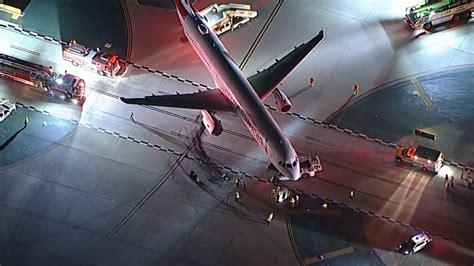
Charlotte Douglas International Airport, one of the nation’s busiest air travel hubs, came to a grinding halt on Friday, June 13, 2025, as violent thunderstorms, dense mist, and persistent rain blanketed the region. The result: a wave of flight cancellations and delays that left thousands of passengers stranded and airlines scrambling to recalibrate operations. Major carriers including American Airlines, Delta, Lufthansa, and regional partners PSA and Piedmont were all significantly impacted, with dozens of flights grounded or delayed due to deteriorating weather conditions.
Storm Systems Cripple Early Morning Operations
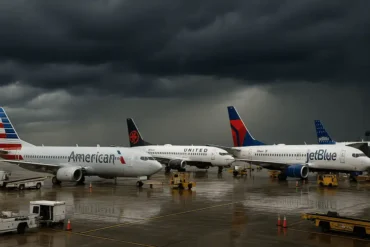
The trouble began at dawn as a powerful weather system rolled over Charlotte, unleashing low-lying clouds, heavy precipitation, and lightning activity. Visibility on the runway plummeted, forcing the Federal Aviation Administration (FAA) to issue ground delay programs. Safety concerns quickly escalated, leading to temporary halts in ramp operations, including fueling, baggage handling, and passenger boarding.
Runway activity became inconsistent. Air Traffic Control adjusted flight sequencing. Aircraft awaiting takeoff remained parked as visibility dropped below minimum operational thresholds. This weather event, though typical for the region in early summer, exposed the vulnerability of airport infrastructure during concurrent meteorological disruptions.
American Airlines Suffers Massive Cancellations
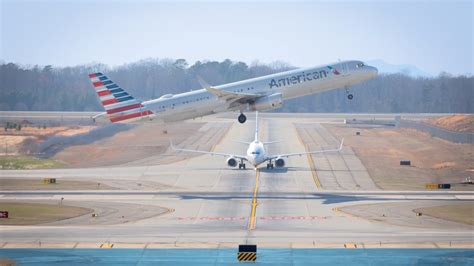
As Charlotte’s largest carrier, American Airlines bore the brunt of the cancellations. At least 40 flights were scrapped by midday—nearly a third of the airline’s scheduled operations out of CLT. While the airline reported a smaller number of delays, the cancellation volume overwhelmed ground services and customer support staff.
Inside the terminals, rebooking lines stretched across concourses. Passengers, many of whom had early morning departures, were left without clear alternatives. Gate agents struggled to manage the cascade of itinerary changes, while the carrier redirected passengers through alternate hubs like Atlanta, Miami, and Philadelphia. However, the severe weather’s ripple effect meant even these options were quickly exhausted.
Regional Carriers: PSA and Piedmont Take a Hit
The crisis extended to American’s regional partners. PSA Airlines, flying under the American Eagle brand, confirmed eight cancellations and one delay, largely affecting short-haul routes across the Southeast. Similarly, Piedmont Airlines reported two cancellations and five delays, further choking the airport’s domestic connectivity.
These carriers, which form the backbone of American’s feeder network, typically serve cities like Greenville, Columbia, Asheville, and Wilmington. Their disruption meant smaller airports in secondary markets faced significant operational voids, cutting off connections and leaving travelers stranded without viable rerouting alternatives.
Delta and Lufthansa: Limited Flights, Big Impact
Though a smaller player in Charlotte, Delta Air Lines was not spared. It cancelled at least one flight while monitoring rolling delays throughout the day. A company spokesperson cited airspace restrictions and ground visibility limitations as key challenges. Even with fewer scheduled flights, the impact was meaningful, particularly for connecting passengers relying on seamless transfers.
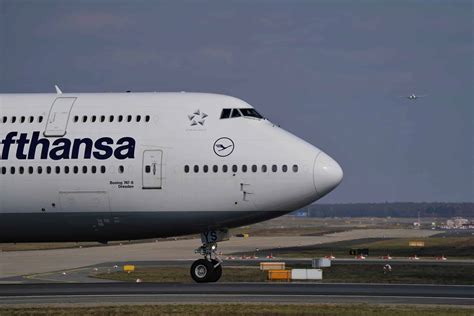
Lufthansa, which connects Charlotte to Frankfurt, faced particularly thorny issues. A heavily delayed inbound flight from Germany created bottlenecks, and the return transatlantic leg faced rescheduling. Crew availability and turnaround window constraints compounded the complications, as international operations demand tighter compliance with crew rest requirements and aircraft servicing.
Mist, Moisture and the Domino Effect
While thunderstorms initiated the day’s chaos, the real operational grind came from the lingering mist and steady rain that refused to lift. These weather conditions reduced runway visibility just enough to keep takeoff and landing speeds throttled down, effectively slowing the airport’s entire tempo.
Planes already delayed on arrival now faced extended hold times on taxiways. Outbound aircraft were required to wait for cleared gates. Ground crews, working under FAA weather safety mandates, paused operations repeatedly. These factors initiated a domino effect that built exponentially over the course of the day. Even modest weather patterns, under stressed conditions, proved deeply disruptive.
On-the-Ground Passenger Experience
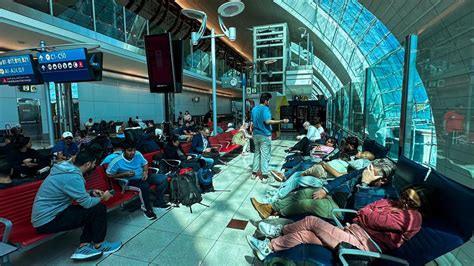
For travelers, the scene inside Charlotte Douglas International Airport (CLT) was one of confusion, anxiety, and mounting frustration. Kiosks and counters were jammed. Loudspeaker announcements were constant. Families missed connecting flights, and some travelers reported sleeping on airport benches as they waited for updates.
The lack of available rebooking seats made matters worse. With storms affecting other East Coast cities, demand quickly outstripped available capacity. Airlines could only offer limited rerouting, leaving some travelers stuck for over 24 hours. Calls to airline customer support often meant long wait times, and terminal staff struggled to keep up with demand.
Travel Advisory: What You Should Do Now
Passengers flying into or out of Charlotte Douglas over the next 48 hours should take the following steps:
- Monitor your flight status constantly through your airline’s app or website, even after you’ve arrived at the airport.
- Arrive early to navigate longer TSA and check-in lines.
- Prepare for possible overnight delays; inquire about hotel accommodations, meal vouchers, and rebooking options.
- Consider rerouting through alternative hubs if you’re flying with flexibility.
- Avoid standing in long lines when digital options are available, especially for rebooking or standby listings.
Meteorological Outlook and Operational Recovery
Weather forecasts indicate a gradual weakening of the storm system by late evening, with improved visibility expected into Saturday morning. However, the operational recovery at Charlotte Douglas may lag behind the weather clearance. Aircraft positioning, displaced crews, and customer service backlogs will take time to realign.
Airlines are warning that residual delays and scattered cancellations could persist through the weekend, particularly on feeder routes and connections involving the Southeast. Travelers are advised to stay flexible, keep digital communication channels open, and expect continued disruption until all systems normalize.
The Bigger Picture: Summer Travel Vulnerabilities Exposed
This severe weather event is more than just a local inconvenience. It reflects a broader concern facing U.S. aviation this summer. The convergence of post-pandemic travel demand, tight airline schedules, and ongoing staffing challenges has created a fragile operating environment. Even moderate meteorological events can quickly evolve into major operational breakdowns at key hubs.
Charlotte Douglas is particularly susceptible given its role as a megahub for American Airlines. With hundreds of daily flights funneling through the airport, any significant disruption creates domino effects that cascade into the national network. It also raises questions about weather resilience protocols, staffing redundancies, and the need for infrastructure flexibility in the face of increasingly erratic climate conditions.
Conclusion: Storms Pass, But Challenges Remain
As flight operations slowly resume and airlines work to untangle the day’s havoc, passengers and industry leaders alike are being reminded that resilience in aviation remains under stress. Charlotte’s experience is a sobering example of how quickly systems can unravel when infrastructure, staffing, and scheduling margins are thin.
For travelers, the lesson is simple: stay informed, stay flexible, and prepare for the unpredictable. For airlines and airport authorities, it’s a call to invest in better weather forecasting coordination, emergency response readiness, and passenger communication tools.
Severe weather may have caused today’s mess, but it’s the structural limitations of the current travel ecosystem that make such events so impactful—and increasingly common.