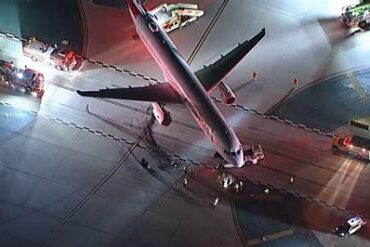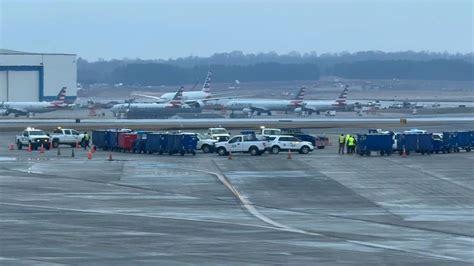
A single text message sent from inside a secured baggage handling zone at Charlotte Douglas International Airport set off a chain reaction that exposed how fragile the line is between routine operations and emergency response in modern aviation. On the evening of February 26, an American Airlines employee allegedly messaged a coworker claiming there was a bomb inside an airport elevator. Within minutes, the message traveled from private phone to supervisor to law enforcement, triggering protocols designed for the worst day imaginable. Investigators later determined the threat was false, yet the consequences unfolded with the full weight of airport security doctrine, where every credible-sounding warning must be treated as real until proven otherwise.
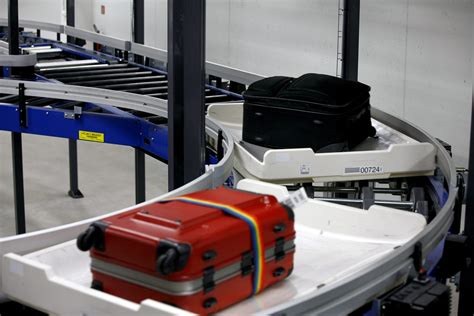
The message landed in a context that made it impossible to dismiss. Both employees were assigned to a restricted baggage area, a space that sits at the heart of an airport’s operational bloodstream. From these corridors, luggage flows toward aircraft bellies and security boundaries thin into doors, scanners, and badge-controlled passages. The text’s phrasing, casual yet menacing, forced supervisors to assume the possibility of imminent harm. In aviation security, intent is secondary to risk. The system is built to move fast, lock down access points, and summon responders before a rumor becomes a tragedy.
Police were dispatched around 6:45 p.m., and airport security tightened access in areas near the reported location. The suspect, later identified by local outlets as 25-year-old Christian Cox of Gastonia, North Carolina, admitted to sending the message from his personal phone. He reportedly characterized the text as a joke. That explanation carried no weight with authorities. Airports operate under zero-tolerance rules for bomb-related communications because ambiguity is itself a threat. Even a hoax can produce injuries during evacuations, disrupt flight schedules across continents, and erode public trust in the safety of air travel. No explosive device was found, and no injuries were reported, yet the legal machinery had already begun to turn.
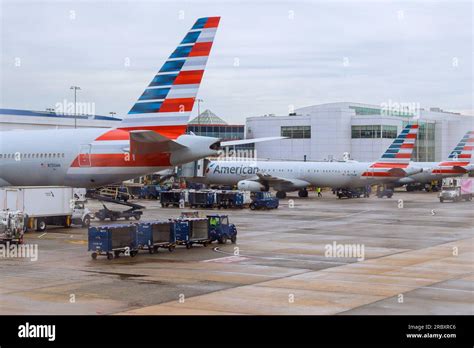
Charlotte Douglas International Airport occupies a peculiar place in the national airspace system. It ranks among the busiest airports in the United States by aircraft movements and serves as a major hub for American Airlines, stitching together domestic routes with international gateways. Tens of millions of passengers pass through its terminals each year. Any disruption inside such a hub reverberates beyond city limits, affecting crew rotations, aircraft positioning, and travelers who may never set foot in North Carolina. A security alert in a restricted area multiplies that ripple because employees in those zones touch baggage systems, loading equipment, and aircraft interfaces. The architecture of safety assumes insider access as both necessary and potentially dangerous, which is why incidents tied to employees trigger especially aggressive responses.
The legal framing of the case reflects that seriousness. Under North Carolina law, making a false bomb report in a public building constitutes a felony. Prosecutors often pursue these charges not merely to punish, but to deter behavior that strains emergency resources. Each response mobilizes airport police, local law enforcement, airline security teams, and sometimes federal partners. These mobilizations cost money, displace personnel from other duties, and compress the margin for error elsewhere in the system. Courts may weigh those costs during sentencing, alongside the broader public safety risk created by forcing responders to chase phantoms while real threats, somewhere else, may go unanswered.
Inside the aviation industry, employee conduct is governed by layered safeguards. Workers with access to secured zones undergo background checks and recurrent security training. Badges open doors that the general public never sees, and that privilege is paired with a legal duty to protect the integrity of those spaces. When an employee becomes the source of a threat, even a false one, airlines typically initiate internal reviews alongside criminal proceedings. Suspensions, terminations, and permanent bans from secured work environments are common outcomes. The system treats insider risk as a category unto itself because history shows that access can amplify harm when misused.
The case also illustrates how communication technologies have compressed the timeline between impulse and impact. A few words typed in seconds can summon sirens, seal doors, and flood radios with urgency. That compression leaves no room for context, tone, or after-the-fact explanations. Law enforcement agencies across the country have leaned into prosecution of hoax threats precisely because deterrence depends on visible consequences. The message to workers and passengers alike is blunt: emergency language is not a toy, and the system will treat it as a live wire every time.
Airport operations returned to normal after investigators cleared the scene, yet normalcy in aviation is a fragile achievement, rebuilt daily through routines that only work when trust holds. This incident punctured that trust briefly, reminding everyone in the chain—from baggage handlers to pilots to passengers—that safety protocols are not theater. They are rehearsed responses to uncertainty, designed to absorb shocks without collapsing. The legal process now carries the burden of reinforcing that boundary between careless words and irreversible outcomes.