In a critical leap forward in the fight against Russian guided aerial bomb attacks, Ukraine’s Western allies have successfully conducted joint trials of advanced defense systems capable of intercepting and neutralizing airborne threats. This coordinated effort, bringing together NATO’s Allied Command, the French General Directorate of Armaments, and leading Ukrainian defense officials, is part of a broader campaign to enhance Ukraine’s resilience against Russia’s escalating use of FAB-500 M62 bombs with UMPK guidance modules.
The multi-day exercise, held at a training ground in France, tested a range of integrated systems under harsh battlefield-like conditions. These included artificial intelligence-driven recognition technologies, drone-based interception units, and sophisticated sensor arrays. Notably, three emerging startups—Alta Ares, ATREYD, and TYTAN Technologies—played a central role in these demonstrations.
The Urgency Behind the Trials
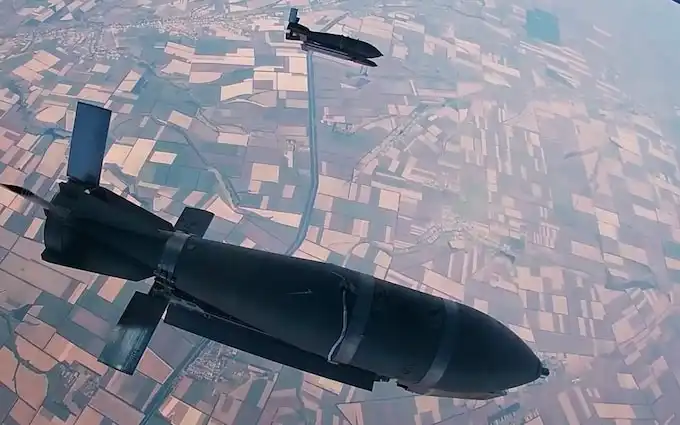
Ukraine’s demand for adaptive defense technologies is rooted in a growing pattern of attacks by the Russian Aerospace Forces. In particular, the use of retrofit FAB-500 M62 bombs—traditional high-explosive bombs upgraded with Universal Gliding and Correction Modules (UMPK)—has posed significant challenges to Ukrainian air defense systems. These guided bombs are launched from high altitudes and glide dozens of kilometers to their targets, making them hard to intercept with conventional anti-aircraft weapons.
The Russian military has increasingly deployed these munitions in strikes between Pokrovsk and Kostiantynivka, key positions in Ukraine’s second defensive line. These guided bombs have not only amplified the intensity of Russian air assaults but also exposed vulnerabilities in Ukraine’s existing defense setup.
A Collaborative Response: NATO and France Lead the Charge
In response, NATO and French defense authorities launched a technologically collaborative initiative aimed at crafting agile, cost-effective countermeasures. This joint program does more than offer material support—it reflects a growing consensus that Ukraine must be empowered with scalable and autonomous technologies that can function independently on the battlefield.
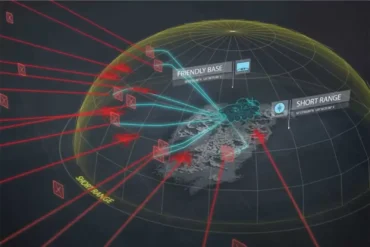
Throughout the multi-day trials in France, partner nations assessed a spectrum of sensor fusion systems, control algorithms, and real-time target identification protocols. Emphasis was placed on the ability to detect, track, and neutralize guided aerial bombs in flight, particularly under realistic battlefield stressors.
Meet the Startups Driving Innovation
Alta Ares: AI-Powered Airborne Detection
Alta Ares, a French-Ukrainian defense startup, has taken the lead on developing a rapid-recognition artificial intelligence system that can identify incoming aerial targets. This system leverages a machine learning-based object classification engine, which can visually parse and interpret high-speed airborne threats such as guided bombs, cruise missiles, or drones, even in cluttered or obscured visual environments.
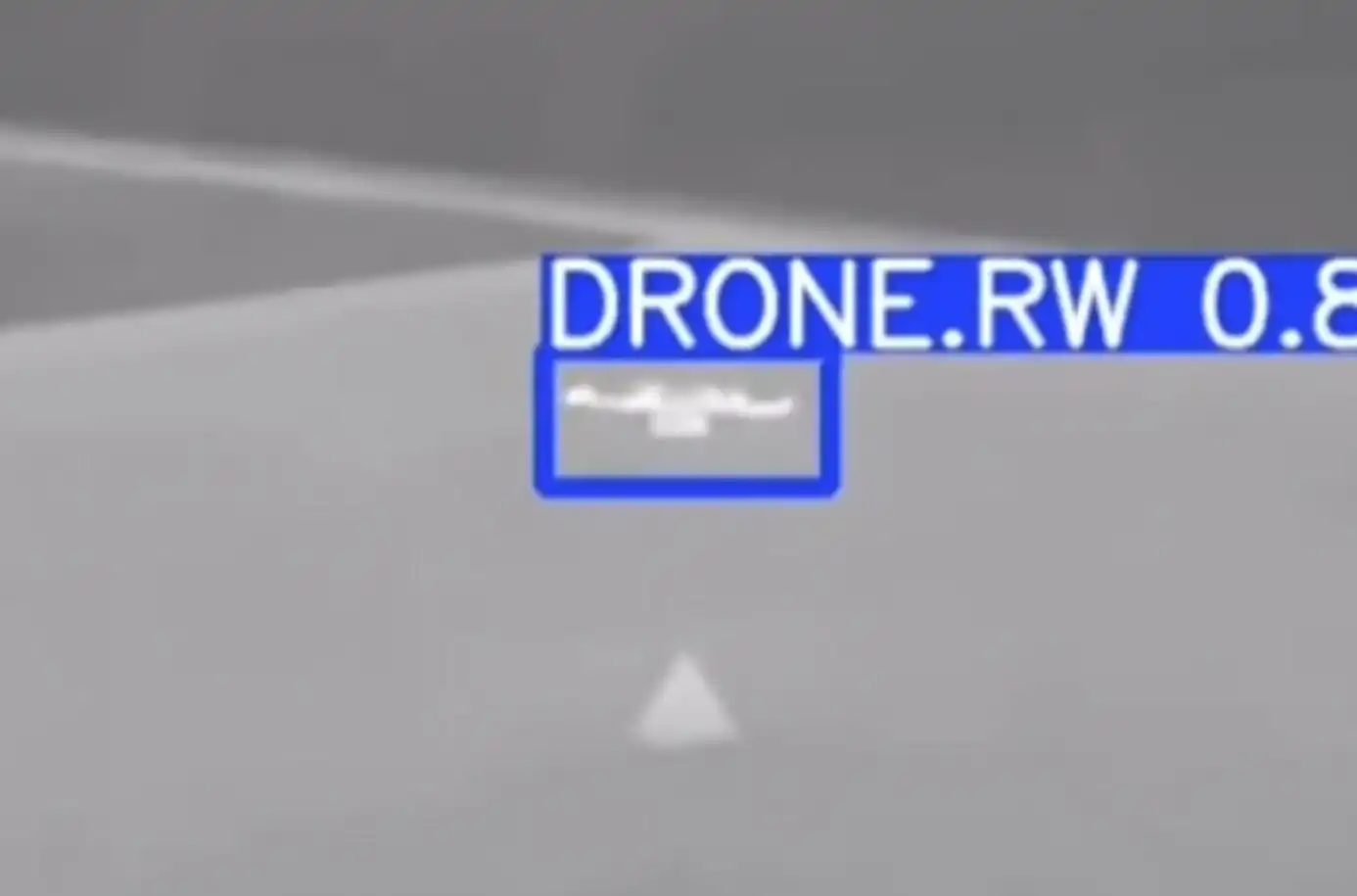
This system isn’t just experimental. According to officials close to the project, Alta Ares has made significant progress in reducing the latency between detection and threat categorization, bringing decision-making down to under half a second. That processing speed is vital when defending against gliding bombs traveling at high subsonic speeds.
ATREYD: Autonomous Drone Platforms
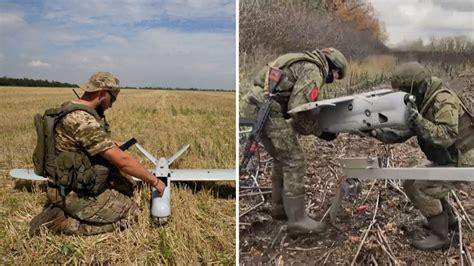
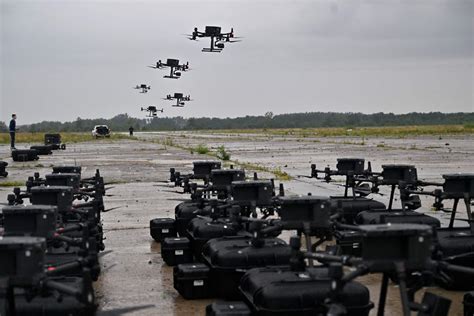
Paris-based ATREYD has developed autonomous drone swarms capable of real-time threat interception without ground operator input. These drones are designed to intercept low-signature munitions, flying in synchronized formations and equipped with proximity sensors, onboard targeting AI, and countermeasure payloads. Their main objective: neutralize a guided bomb before impact.
ATREYD’s drones operate on an ultra-low-latency mesh network, allowing for adaptive pathfinding, even when GPS or communications are jammed. This level of autonomy is vital in conflict zones like eastern Ukraine, where electronic warfare tactics are frequently deployed by Russian forces.
TYTAN Technologies: Target Interceptors at Scale
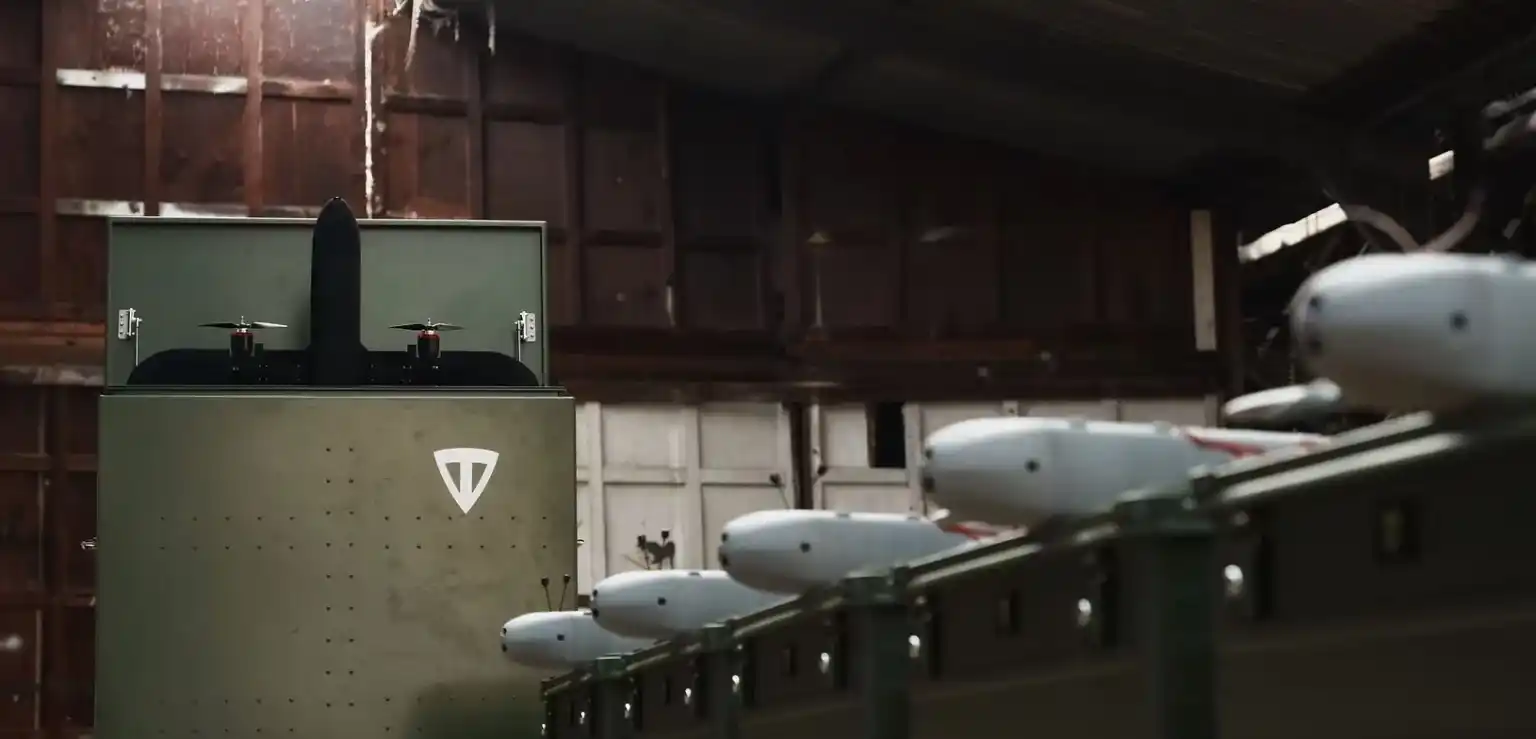
Ukrainian firm TYTAN Technologies has focused on developing drones with interception-specific capabilities, optimized to act as disposable interceptors. Their latest prototypes feature thermal and optical guidance systems, enabling them to lock on to the heat signature of a falling bomb and engage it mid-flight.
These drones are envisioned to be mass-produced at low cost, potentially fielded in hundreds per region, creating a defensive web capable of handling simultaneous attacks from multiple vectors. They represent a blend of scalability, simplicity, and battlefield ruggedness.
System Integration and Field Testing Outcomes
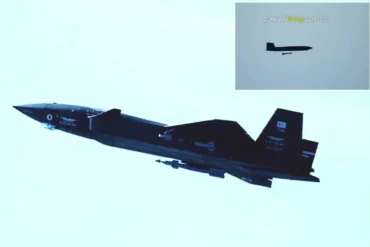
During the French trials, several test scenarios simulated real-world bomb drops using mock FAB-500 gliding targets. Defense units practiced threat detection, target prioritization, and real-time engagement. In multiple instances, the drone-based systems were able to successfully detect and simulate destruction of the gliding bombs mid-course.
A senior representative from the French General Directorate of Armaments confirmed that the testing sessions exceeded expectations: “We now have verified proof-of-concept that autonomous airborne interception is possible and increasingly reliable against guided aerial bombs.”
Ukrainian representatives present at the trials noted the significance of this development. They see a future where these systems could be integrated into local territorial defense brigades, allowing for localized air denial zones even without NATO’s direct presence.
Timeline and Strategic Implications
If current development trajectories hold, Ukraine may be able to field these systems by late 2025. Each of the three companies involved has committed to iterative development, with software and hardware improvements being implemented monthly. The collaboration continues between NATO logistics units and Ukrainian deployment planners to ensure training, integration, and logistics pipelines are in place.
Ukraine’s Ministry of Strategic Industries has expressed interest in producing some of the components domestically, reducing reliance on imports and boosting national defense manufacturing.
The Future of Anti-Guided Bomb Warfare
The strategic use of autonomous drones and AI-powered defense systems marks a decisive shift in modern air defense doctrine. Traditional surface-to-air missiles, while effective, are costly and ill-suited to counter relatively cheap yet devastating guided bombs. In contrast, drone interceptors present a scalable, agile, and economically sustainable solution.
The testing of these systems signifies more than a technological milestone. It reflects a growing alignment among Ukraine’s Western allies to invest in asymmetric defense capabilities that address the specific contours of the conflict—urban warfare, drone strikes, electronic jamming, and now, guided bomb barrages.
A New Chapter in Defense Collaboration
This initiative is emblematic of a broader evolution in NATO’s approach to supporting Ukraine—not merely through supplying existing equipment, but by co-developing next-generation battlefield tools. France, in particular, has taken a proactive role in integrating startup innovation into high-stakes defense ecosystems.
With the 2025 deployment target now in sight, the next several months will be crucial. Final evaluations, threat modeling, and operational stress testing will determine how effectively these systems can transition from test grounds to the front lines. Ukraine’s capacity to defend its cities, troops, and infrastructure from precision bomb threats increasingly hinges on the success of these AI and drone-based countermeasure programs.
If the trials’ early outcomes are any indication, the battlefield may soon tilt slightly more in Ukraine’s favor—not through sheer firepower, but via innovation, autonomy, and rapid technological adaptation.