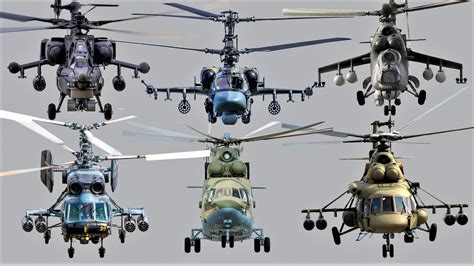
The world of international defense collaboration has been rocked by a massive cyber-attack, which has exposed sensitive information concerning Russia’s aviation and defense-industrial sector. Hackers successfully infiltrated the systems of “Russian Helicopters,” a leading aviation holding company that oversees multiple enterprises involved in the production and maintenance of military helicopters. This breach, which was part of the larger joint operation OpsHackRussia’sDay, has led to the release of extensive materials that reveal the clandestine web of international partners collaborating with Russia in the defense industry.
The Breach: Unveiling a Hidden Network of Global Partnerships
The leak, disclosed by the international intelligence community InformNapalm and the cyber-espionage group MILITANT INTELLIGENCE, reveals sensitive data about numerous countries and companies involved with Russia. The leaked documents were part of a coordinated campaign aimed at exposing the intricate web of international defense partnerships that support Russia’s military operations.
Hackers gained unauthorized access to the networks of Russian Helicopters, a company that plays a pivotal role in Russia’s defense sector. The breach exposed a wealth of sensitive data, including international contracts, banking information, supply routes, and correspondence with foreign embassies and the Russian Ministry of Defense. The documents obtained in the hack provide a detailed account of the company’s operations, including its relationships with international clients and partners.
Exposing Key Partners and Countries Involved in the Supply Chain
One of the most significant revelations from the leak is the extensive network of foreign partners that have been supporting Russia’s military operations, particularly in the maintenance and supply of Mi-17V-5 helicopters, a key asset in the Russian defense arsenal.
According to the leaked documents, Egypt has been identified as a major logistical hub for the maintenance of these helicopters. This collaboration is crucial in keeping Russia’s military hardware operational, and the documents show detailed information about maintenance procedures, repair logistics, and the involvement of Egyptian officials in coordinating these operations.
In addition to Egypt, Bulgaria is also heavily involved in the supply chain for Russian helicopters, with key roles in securing approvals, providing repair services, and facilitating logistical operations. Other countries identified in the documents include Azerbaijan, North Macedonia, and Algeria, all of which are shown to have been engaged in various aspects of Russia’s defense supply network.
Beyond these countries, the leak also highlights the role of private companies such as the Indian firm RAWAN HANS, which has been involved in procurement processes for Russian military hardware. Indonesia has also emerged as a key player, facilitating routes and supply chains through third-party countries to avoid direct sanctions or international scrutiny.
Detailed Insights into Operational Structures and Internal Communications
The leaked materials not only expose the identities of foreign partners but also provide an in-depth look at the internal workings of Russian Helicopters. Internal corporate correspondence, employee schedules, and business trip details have been made public, shedding light on the company’s operations and decision-making processes.
The documents also reveal the involvement of senior executives and government officials in these international transactions. Signatures and correspondence from high-ranking officials, including directors, top managers, and deputies, were found in the leaked materials, indicating the level of coordination between Russian Helicopters and foreign governments and corporations.
This information is a goldmine for analysts and intelligence agencies, as it offers a rare glimpse into the inner workings of Russia’s defense industry. By exposing these relationships, the leak could significantly impact Russia’s ability to continue conducting its defense operations and maintain crucial international collaborations.
The Consequences: Diplomatic Fallout and Increased Sanctions
The leak is expected to have severe consequences for both Russia and its foreign partners. As InformNapalm pointed out, the exposure of these international partnerships could lead to the termination of contracts, the imposition of stricter sanctions, and major diplomatic scandals. Governments that have been implicated in these covert operations are likely to face intense scrutiny, with calls for accountability from both international organizations and their own citizens.
The leaked documents also suggest that some of this information may already be in use by Ukraine to support its defense efforts. Ukrainian cyber specialists have long targeted Russian defense companies, and this data could provide valuable intelligence for countering Russian military operations.
The diplomatic fallout from the leak will likely be felt for years to come, as international relationships and defense partnerships come under closer examination. Countries that have been revealed to have cooperated with Russia in defense matters may face pressure to sever ties or face increased sanctions and isolation from the global community.
A Broader Cybersecurity Threat: The Rise of Cyber Warfare in Global Diplomacy
This leak underscores the growing importance of cybersecurity in the global defense landscape. The ability of hackers to infiltrate high-security systems of a major defense corporation like Russian Helicopters demonstrates the vulnerability of even the most tightly guarded military infrastructure. The leak is a stark reminder that cyber warfare is now an integral part of international relations, and the stakes have never been higher.
As the world becomes more interconnected, the risks associated with cyberattacks grow exponentially. The breach of Russian Helicopters serves as a wake-up call for governments and defense contractors worldwide to bolster their cybersecurity measures and protect sensitive information from falling into the wrong hands.
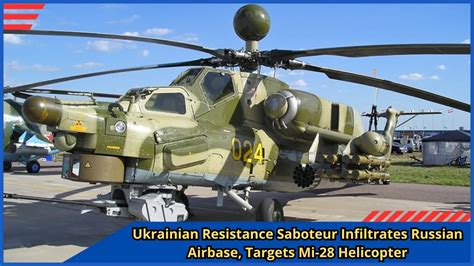
The Bigger Picture: Ukrainian Cyberattacks on Russian Defense Companies
This hack is not an isolated incident but part of a broader trend of cyberattacks targeting Russia’s defense sector. In recent months, Ukrainian cyber specialists have intensified their efforts to breach Russian military companies, including the Tupolev Design Bureau, a leading Russian aviation firm.
Ukrainian hackers managed to access internal correspondence, personal data of engineers and designers, procurement records, and even sensitive minutes from closed meetings. These attacks are part of Ukraine’s ongoing cyber campaign to disrupt Russian military operations and gather intelligence for their own defense.
The information obtained from these hacks has already proven to be valuable in the ongoing conflict. As Ukrainian forces continue to face off against Russia on the battlefield, the intelligence gathered from these cyberattacks provides them with a significant advantage, giving them crucial insights into Russian military capabilities and strategies.
Conclusion: A Turning Point for Global Defense Relations
The leak of documents from Russian Helicopters represents a turning point in the global defense industry. The revelations of international partnerships and covert supply chains supporting Russia’s military operations will undoubtedly have far-reaching consequences. From the termination of contracts to the imposition of sanctions, the fallout from this breach will reshape international relations and defense strategies for years to come.
As cyber warfare continues to play an increasingly significant role in global diplomacy, this event highlights the need for robust cybersecurity measures in defense industries worldwide. The exposure of Russia’s military network is a stark reminder of the vulnerabilities inherent in modern defense systems and the growing importance of digital intelligence in shaping the future of international relations.