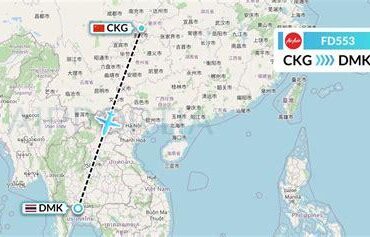
Severe weather events have unleashed massive travel disruptions across some of the world’s busiest aviation hubs, stranding thousands of international tourists in China, Singapore, and the United Arab Emirates. From Beijing Capital International Airport to Singapore Changi and Dubai International, a perfect storm of heavy rain, thunderstorms, and low visibility has triggered cascading delays and cancellations, with leading airlines such as Thai AirAsia, Air China, Emirates, and Singapore Airlines grappling to keep operations afloat.
Beijing and Shanghai Buckle Under Heavy Fog and Traffic
Beijing Capital International Airport has emerged as one of the worst-hit, with 353 flight delays and 9 cancellations, predominantly during the morning and evening rush hours. Low visibility from dense fog, coupled with the already congested airspace, pushed the airport’s capacity to the brink. Air China, the national carrier, bore the brunt of the crisis with 192 delayed flights, affecting both domestic and international itineraries.
Shanghai Pudong International Airport reported 334 delays and 9 cancellations, largely due to relentless rain showers and visibility issues. Airlines like China Eastern and Shandong Airlines struggled to meet their schedules, compounding the frustrations of tourists en route to or from East China.
Southeast Asia’s Premier Hub Faces a Bottleneck
Singapore Changi Airport, consistently ranked among the world’s best airports, was not spared. While weather remained less severe, persistent drizzle and fog delayed 226 flights and caused five cancellations, disrupting long-haul operations. Singapore Airlines, the country’s flagship carrier, experienced 50 delays, impacting outbound schedules to Europe, Australia, and the U.S.
Thai AirAsia, operating multiple routes through Changi, saw unusual backlogs due to airport taxi slowdowns and gate congestion, especially affecting flights into Indochina and South Asia.

UAE: Dubai Grapples With Operational Gridlock
At Dubai International Airport, the world’s busiest for international travelers, a perfect mix of airspace congestion and sandstorms led to 257 delays and 10 cancellations. With FlyDubai and Emirates servicing hundreds of connections to Europe, Asia, and Africa, the ripple effect of delays spread rapidly across global itineraries. Air India Express, SriLankan Airlines, and British Airways also reported major scheduling issues.
Authorities at Dubai International have stated that air traffic management bottlenecks and weather-related constraints were the dual culprits. The airport, already operating at high summer capacity, faced growing criticism from stranded passengers for inadequate real-time communication.
Southeast Asia’s Regional Airports Hit Hard
Don Muang International Airport, the secondary airport in Bangkok and hub for budget carriers, saw 153 delays—mostly affecting Thai AirAsia, which had 104 flights delayed. Although no flights were cancelled, the rolling delays caused connectivity failures across the region, especially for travelers transiting through Bangkok to secondary cities in Southeast Asia.
Meanwhile, Suvarnabhumi International Airport, Bangkok’s primary international hub, reported 202 delays and 8 cancellations, largely during late afternoon thunderstorms. Flights from Thai Airways, Air India, and China Airlines were among those most affected.
Incheon, Haneda, and Hong Kong Feel the Pinch
Weather-related travel chaos spilled over into Northeast Asia, with Incheon International Airport in Seoul registering 313 delays. Low cloud cover and sporadic rain hit schedules from Korean Air, Air Seoul, and Peach Aviation. In Tokyo Haneda, 247 delays and 2 cancellations occurred, triggered by steady rain that interfered with runway operations.
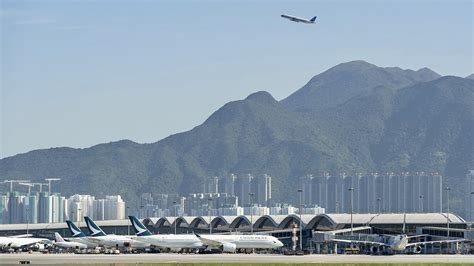
Hong Kong International Airport, long a linchpin in Asia-Pacific travel, reported 179 delays and 2 cancellations. Light rain and fog slowed aircraft turnarounds, affecting carriers like Cathay Pacific, Hong Kong Airlines, and Air New Zealand.
India and the Subcontinent in Turmoil
The weather woes extended to the Indian subcontinent. Indira Gandhi International Airport in New Delhi had 243 delays and 4 cancellations, impacting international traffic to Europe and the Middle East. Air India had 97 delays, and SriLankan Airlines experienced 75% of their scheduled flights delayed, according to the latest logs.
At Chatrapati Shivaji International Airport in Mumbai, 200 flights faced disruptions due to operational and weather constraints, particularly during late evening periods of heavy rainfall. Kuala Lumpur International Airport also recorded an alarming 328 delays, driven by fog and storm systems spilling over from the South China Sea.
Bali and the Pacific Rim: A Disrupted Paradise
Even tropical tourist hotspots weren’t immune. Bali’s Ngurah Rai International Airport saw 168 delays and 11 cancellations, affecting regional flights and causing tourists headed to Australia and Thailand to scramble for alternatives. Despite relatively smooth handling by airport staff, poor visibility and wet tarmacs led to cascading effects across multiple short-haul flights.
At Manila International Airport, while only 92 delays and 3 cancellations were logged, the growing volume of diverted and rerouted flights added to the airspace congestion across Southeast Asia.

Airline Crisis Management: A Mixed Report Card
For airlines, the ongoing chaos exposed serious gaps in contingency protocols. Thai AirAsia, Air China, and Singapore Airlines were among the worst affected, with back-to-back delays testing crew availability and aircraft rotation plans. Emirates, despite its robust global network, struggled to keep passengers updated, with many expressing outrage over last-minute cancellations and rebooking difficulties.
Key weaknesses identified include:
- Inadequate passenger notification systems for real-time updates.
- Lack of alternative routing options, especially for budget carriers.
- Crew scheduling failures as delays stretched across multiple time zones.
Passengers also reported chaotic scenes at customer service desks, particularly in Singapore and Dubai, with wait times exceeding three hours in some terminals.
Real-Time Information and Flexibility Crucial for Travelers
With the summer travel peak in full swing, experts are warning that such weather-linked disruptions could become more frequent. Meteorological agencies have forecast continued unpredictable storm patterns and high humidity levels across Asia and the Middle East through July.
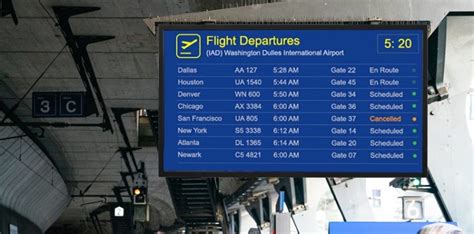
Airport authorities across the region are now scrambling to upgrade flight information displays, boost multilingual support, and improve digital communication tools to avoid further public backlash.
For travelers, the key takeaways are clear:
- Always check flight status frequently, especially within 6 hours of departure.
- Avoid tight connections during this period.
- Sign up for airline SMS and app alerts.
- Consider travel insurance that covers weather disruptions and missed connections.
What Lies Ahead: Persistent Disruptions Expected
Aviation analysts warn that as climate volatility intensifies, so too will the impact on international travel logistics. Airports in Asia-Pacific and the Gulf are particularly vulnerable due to their critical role in global aviation networks and susceptibility to tropical weather patterns.
For now, airport authorities and airlines are bracing for prolonged strain, with no clear end in sight. The interplay between unpredictable weather, soaring passenger demand, and limited airspace control capacity is forming a perfect storm that may redefine air travel norms.
Passengers, especially those flying through Beijing, Singapore, or Dubai, are urged to remain flexible, proactive, and prepared for schedule changes, potentially until the end of the summer season.