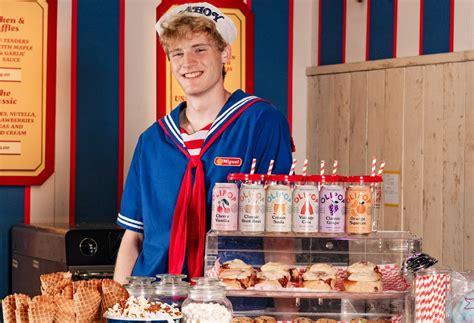
In the ever-evolving landscape of travel and tourism, the rise of personalized and immersive experiences has captured the attention of adventurers seeking more than just a standard getaway. This trend is vividly illustrated by Olipop, a popular beverage maker known for its unique, flavor-forward sodas, which recently launched an imaginative campaign called “The Time Travel Travel Agency”. Running from June 24 through July 8 at the Austin Motel, this initiative elevated the concept of nostalgia marketing to new heights by offering visitors the chance to stay in one of three themed suites inspired by the brand’s signature soda flavors.
The campaign was not merely a promotional tactic; it represented a significant intersection of hospitality, branding, and tourism. Visitors had the opportunity to win a four-day, three-night stay in rooms designed to evoke the essence of different decades. The “1986 Cream Soda Suite”, “1995 Strawberry Vanilla Suite”, and “2002 Cherry Cola Suite” were meticulously crafted with design elements and pop-culture references that resonate with the respective eras. Such nostalgia-driven accommodations appeal to travelers yearning for relatable, purpose-driven experiences that remind them of their youth, showcasing how the tourism industry is adapting to fulfill the growing demand for immersive, themed living environments.

The Power of Nostalgia Marketing in Tourism
Using nostalgia as a marketing tool is not a new concept; however, its effectiveness has surged over the past decade. As consumers increasingly gravitate towards vintage aesthetics, the demand for experiences that evoke fond memories has intensified. Olipop’s innovative soda-inspired suites exemplify a strategic way brands can leverage nostalgia to transform a typical journey into an entertaining and memorable adventure. By merging retro design with product marketing, Olipop not only captivates its audience but also establishes a deeper emotional connection with them.
From a broader perspective, the development of these themed experiences serves as a powerful tool for tourism providers. They can engage visitors on a more profound level, fostering loyalty and creating a stronger emotional bond with the destination. Instead of merely visiting a place, travelers become part of a narrative that brings past memories to life. This shift towards experiential storytelling is becoming increasingly prevalent in the hospitality sector, where accommodations are marketed not just as places to stay but as immersive experiences that invite guests to relive their favorite eras.
Experiential Storytelling: Creating Meaningful Connections
Olipop’s themed suites offer more than aesthetic appeal; they provide a portal to the past that resonates deeply with guests. For instance, the “1986 Cream Soda Suite” immerses visitors in the vibrant, neon energy of the 1980s, featuring pastel colors and nostalgic arcade games that evoke the playful spirit of the decade. In contrast, the “1995 Strawberry Vanilla Suite” captures the essence of the 1990s with its bright pink decor and design elements that pay homage to video game culture, encapsulating the maximalist trends of the time. These immersive experiences transform hotel stays into opportunities for guests to engage with the cultural zeitgeist of their formative years, enhancing their travel narratives.
Moreover, experiential storytelling enriches the travel experience, allowing visitors to feel a genuine connection to the places they visit. Rather than simply enjoying a vacation, guests in Olipop’s suites leave with lasting memories intertwined with the brand’s narrative, underscoring the importance of emotional engagement in modern tourism.
The Implications of Themed Tourism
The success of Olipop’s nostalgic soda suites has far-reaching implications for the tourism industry. It highlights the potential of experiential marketing as a powerful promotional tool, providing a fresh approach to reach travelers in ways traditional methods cannot. Themed accommodations, particularly those rooted in popular culture and nostalgia, serve as magnets for tourists eager to immerse themselves in a story rather than merely observe it. This phenomenon reflects a broader shift in the tourism landscape, moving away from one-size-fits-all offerings towards customized, user-generated experiences.
As travelers increasingly seek more than just a place to sleep, the demand for thematic hotels and immersive cultural experiences is on the rise. Destinations have a unique opportunity to enhance their offerings by creating tailored experiences that cater to various interests—be it a retro-themed weekend, a thrilling adventure, or a luxurious cultural immersion. For example, heritage-rich regions like Italy, Greece, and Japan could delve into nostalgia tourism, celebrating their past through preservation efforts that allow visitors to experience different historical eras.
The Economic Impact of Themed Experiences
The economic value of nostalgia tourism cannot be understated. As travelers increasingly prioritize experiences over mere destinations, the demand for specialized lodging and attractions is likely to grow. On the supply side, these unique experiences often command a premium due to the novelty and deeper engagement they provide, presenting a lucrative opportunity for tourism suppliers. Hotels and resorts that offer themed suites or immersive packages can distinguish themselves from competitors, attract high-value guests, and improve their financial performance by tapping into the power of nostalgic memories.
In addition to benefiting the hospitality sector, nostalgia tourism can significantly impact local economies. Thematic attractions and experiences generate direct revenue from bookings while stimulating economic activity in surrounding areas, including increased spending in retail shops, restaurants, and cultural institutions. This ripple effect not only supports the hospitality industry but also contributes positively to the overall ecosystem of tourism.
The Future of Themed and Nostalgia-Based Tourism
As the tourism landscape continues to evolve, themed and nostalgia-driven experiences will undoubtedly remain at the forefront. Brands and destinations that successfully blend entertainment, culture, and storytelling will capture the imaginations of modern travelers searching for more meaningful connections with the places they explore. The influence of experiential marketing in shaping the future of travel cannot be overstated. By developing fully immersive, story-based environments, tourism providers can cultivate rich emotional content that fosters customer loyalty.
For those adventurous souls yearning for something beyond the ordinary vacation, immersive themed experiences offer a fresh perspective on exploring the world while reliving cherished memories. As the trend of nostalgia-driven tourism gains momentum, destinations that prioritize unique and personalized experiences will pave the way for the future of travel.
Conclusion: The Promise of Nostalgic Tourism
Olipop’s “The Time Travel Travel Agency” campaign stands as a testament to the power of nostalgia and experiential storytelling in shaping the future of tourism. By redefining guest engagement through unforgettable stays in soda-inspired suites, Olipop has tapped into a growing interest in immersive, culturally authentic experiences. As travelers increasingly seek bespoke, narrative-driven breaks, destinations that can deliver such experiences will continue to thrive. The future of travel is evolving, focusing not only on visiting new places but on experiencing them in ways that resonate deeply and meaningfully. Through retro-styled rooms, cultural engagements, and immersive storytelling, nostalgia tourism may well dominate the next era of global travel.