Residents of the Phoenix metropolitan area should brace for an unusual week marked by low-flying helicopters, controlled explosions, and the crackle of simulated gunfire as the U.S. Department of Defense carries out a high-intensity military training operation from Monday through Saturday. These exercises are being conducted in coordination with the Phoenix Police Department and other local authorities to ensure safety and minimize disruption. Although the spectacle may be alarming to some, officials have made it clear that these activities are not related to any real-time emergency or immigration enforcement measures.
The training, which will be concentrated in designated locations across the Greater Phoenix Area, primarily unfolds after dark, reflecting realistic urban warfare and night-ops scenarios. The drills will be carried out with full awareness and support from city leaders, local law enforcement, and community stakeholders.

Coordinated Military Presence Across Urban Terrain
The decision to hold such intensive training in the Phoenix area stems from the city’s dynamic terrain and dense urban development, which offer an ideal backdrop for simulating real-world combat environments. Urban training environments are crucial in preparing soldiers for potential deployments in global hotspots where close-quarter navigation, rooftop extractions, and crowd control often replace conventional open-field tactics. This week’s operations involve multiple branches of the armed forces, each conducting specialized maneuvers designed to test coordination, responsiveness, and urban logistics under pressure.
Military officials have not disclosed exact coordinates of training zones, but observers may spot tactical teams near industrial parks, warehouse clusters, and less trafficked neighborhoods chosen for their accessibility and minimal risk to civilian safety. These areas are safeguarded by buffer zones and police blockades, and all exercises are designed to avoid interference with day-to-day civilian activities.
Noise, Light, and Security: What Residents Can Expect
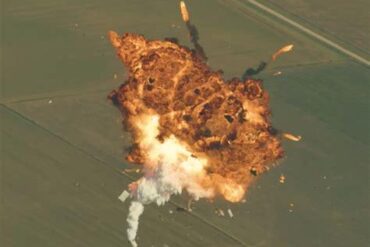
The most noticeable aspects of the training exercises are likely to be explosive audio cues, brilliant flashes from simulated munitions, and the rhythmic thump of helicopter blades cutting through the night sky. The military will use pyrotechnic training rounds and blank-firing weapons to simulate combat engagements, complete with breaching sounds and low-frequency booms.
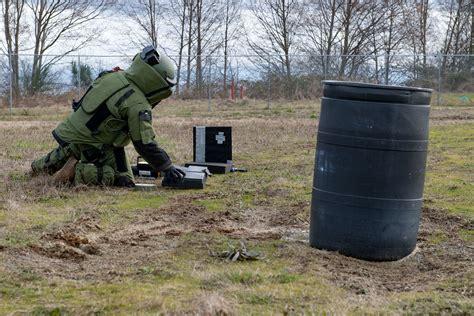
While these operations may appear chaotic from afar, they are highly choreographed. No live ammunition is used, and all explosives are of a non-lethal nature, employed under the supervision of trained demolition experts. Phoenix police and federal observers are stationed at perimeters to intercept any bystanders who may accidentally wander too close to the active zones.
Why Phoenix? The Strategic Importance of the Valley
Phoenix’s rise as a central training hub for national defense entities is not coincidental. The city offers a unique combination of geographical space, proximity to military infrastructure, and a controlled civic environment, making it an excellent candidate for conducting high-value simulations without disrupting major national commerce or tourism arteries. Additionally, the city’s cooperative leadership and reliable emergency services foster an environment of trust and logistical clarity that military planners highly value.
Moreover, the Valley’s extreme weather conditions, especially during the summer, allow teams to rehearse under heat and stress—conditions often mirrored in overseas deployments. The vast, grid-like layout of many Phoenix suburbs also allows vehicle convoys and foot patrols to drill in real-time with limited interference.
Community Cooperation and Transparency
According to a joint statement released by the Phoenix Police Department, the operation could not proceed without the “support of the leaders, business owners, and residents of the Greater Metropolitan Phoenix Area.” Local authorities have worked in tandem with military coordinators to ensure public awareness campaigns were disseminated in advance via press releases, social media alerts, and direct communications with neighborhood watch groups and city councils.
Police have assured the public that 911 emergency services remain fully operational and that no neighborhood will be cut off from vital civil infrastructure. Additionally, street closures, if any, will be brief and strategically announced in advance.
Addressing Public Concern and Speculation
Given the intensity and realism of the military exercises, rumors and speculative theories are bound to surface, especially on social media platforms. The Phoenix Police Department has firmly stated that the training has no connection to immigration enforcement or border patrol activities. Nor is it a response to any domestic threat or terrorist alert.
In recent years, urban military exercises have drawn both support and criticism, with some residents citing noise pollution and disruption, while others express concerns about militarization of civilian spaces. In response, both the DoD and Phoenix officials have committed to an after-action community review, in which local feedback will be compiled, evaluated, and used to shape future training policies.
A Glimpse Into Tactical Preparedness
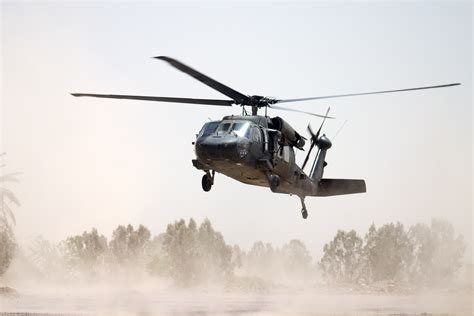
For those in the aviation or defense enthusiast communities, this week provides a rare glimpse into realistic, near-deployment-level drills that often remain behind the veil of classified operations. Observers may catch glimpses of UH-60 Black Hawk helicopters, special operations teams in full combat gear, and armored tactical vehicles navigating narrow streets and rooftops with cinematic precision.
These drills are designed to test real-time adaptability, including communication in urban interference zones, rapid evacuation under fire, and cross-force coordination between airborne, foot patrol, and vehicle teams. Special forces operatives, in particular, will be rehearsing stealth infiltration, door breaching, and aerial extraction, mimicking what they might face in overseas missions within populated cities.
The Broader Strategic Picture
From a national security standpoint, these exercises reflect a shift in U.S. military training doctrine toward urban conflict scenarios and agile response preparedness. The contemporary battlefield is increasingly asymmetric, involving threats that emerge suddenly in city centers, dense housing districts, or critical infrastructure hubs. In this light, Phoenix serves as a template for replicable training protocols in other American cities.
Additionally, military readiness drills like these ensure that inter-agency collaboration—between national defense, local law enforcement, and municipal administration—remains sharp and effective. The operations provide a testing ground for command hierarchy, emergency communication systems, and civil-military integration frameworks that would be vital in any real-world crisis.
Final Notes for Residents
Phoenix locals are encouraged to remain vigilant but calm. If you observe any military presence or activity this week, it is almost certainly part of the scheduled training unless stated otherwise by local authorities. The Phoenix Police Department advises residents to avoid loitering near known training zones, and to keep pets and young children indoors after sunset to prevent any potential distress from the sounds or lights associated with exercises.
Inquiries or concerns may be directed to the city’s official non-emergency lines, and updates will continue to be published on Phoenix PD’s social media and local news outlets. While some may experience temporary inconvenience, officials are confident the benefits of enhanced military preparedness and civilian safety coordination outweigh the short-term disruptions.