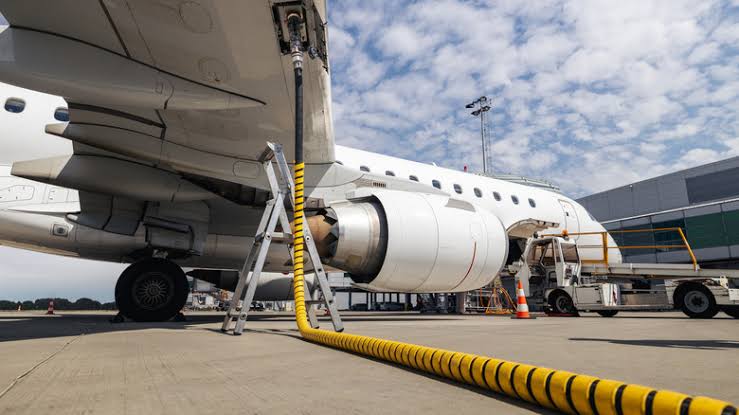
Modern aircraft rely on sophisticated safety systems to reduce the risks associated with carrying thousands of gallons of highly flammable jet fuel. One important technology is fuel-tank inerting, which uses nitrogen-rich gas to make the space above the fuel less likely to ignite. Although nitrogen is also commonly used to inflate aircraft tires, its role inside fuel tanks addresses a different and potentially more serious hazard: preventing explosions.
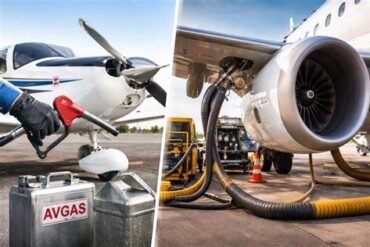
Jet fuel powers commercial airliners, military aircraft, and cargo planes, but its vapors can become dangerous under certain conditions. When fuel evaporates, it creates a mixture of vapor and air above the liquid. If this mixture encounters an ignition source and contains sufficient oxygen, combustion can occur inside the tank. Nitrogen reduces this risk by lowering the oxygen concentration, making it more difficult for fuel vapors to ignite and sustain a fire.
How Nitrogen Makes Aircraft Fuel Tanks Safer
Nitrogen works by changing the chemical environment inside the fuel tank rather than changing the fuel itself. It is relatively unreactive and does not support ordinary combustion, unlike oxygen, which is essential for fire to develop and continue. Introducing nitrogen-rich gas into the space above the fuel reduces the oxygen available to participate in combustion.
This process is called inerting, and it is particularly important because fuel-tank conditions change throughout a flight. Temperature, pressure, fuel quantity, and vapor concentration can all influence flammability. By controlling the atmosphere inside the tank, nitrogen-based inerting systems help prevent a dangerous ignition without interfering with the aircraft’s normal fuel supply.
How Modern Aircraft Produce Nitrogen
Aircraft can obtain nitrogen from a stored supply, but many modern systems generate nitrogen-enriched air onboard. These systems draw in surrounding air and pass it through specialized separation equipment, commonly using molecular sieve technology or related membrane-based methods, depending on the design.
The equipment separates much of the oxygen from the incoming air, producing a nitrogen-rich gas that is directed into the fuel tanks. As the gas enters the space above the fuel, it lowers the oxygen concentration and reduces the likelihood of ignition. Onboard generation allows the system to operate without requiring crews to replenish large quantities of stored nitrogen between flights.
From Military Aircraft to Commercial Airliners
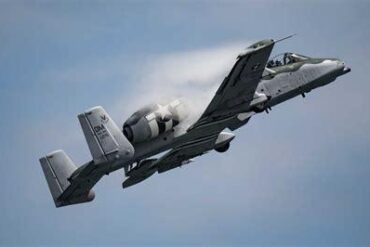
Fuel-tank inerting first gained attention in military aviation, where aircraft designers faced demanding operating conditions and substantial fuel-related hazards. The supersonic XB-70 Valkyrie, developed during the 1960s, used a system involving liquid nitrogen. The technology also appeared on the Lockheed C-5 military transport aircraft in the early 1970s.
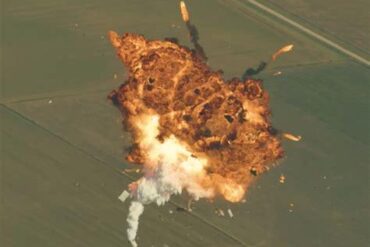
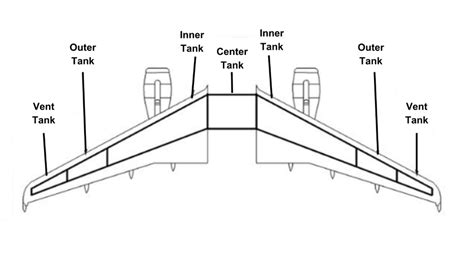
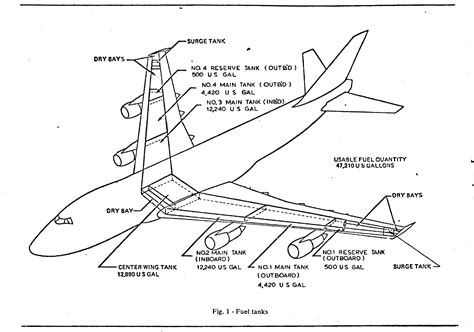
However, inerting became a much greater priority for commercial aviation after TWA Flight 800 exploded in 1996, killing all 230 people aboard. Investigators concluded that the aircraft’s center wing fuel tank exploded after its flammable vapor-air mixture ignited. The investigation highlighted the danger of fuel tanks becoming ignition hazards even when the aircraft’s engines and fuel-delivery systems were operating separately from the tank’s vapor space.
FAA Rules and the Future of Fuel-Tank Safety
Following the investigation, the National Transportation Safety Board recommended measures to reduce fuel-tank flammability. These efforts contributed to FAA fuel-tank safety regulations introduced in 2008, which required applicable transport-category aircraft designs to incorporate systems that reduce the risk of flammable fuel-tank atmospheres.
Nitrogen does not eliminate every possible hazard, and not every aircraft uses an identical system. Nevertheless, fuel-tank inerting provides an important additional layer of protection by reducing the conditions needed for an explosion.
Ultimately, the reason modern aircraft use nitrogen is straightforward: preventing ignition is safer than relying on a system to contain an explosion after it begins. By reducing oxygen inside fuel tanks, nitrogen-based technology helps make commercial and military aviation safer without changing the fundamental way aircraft engines produce thrust.