A New Era in Widebody Aviation
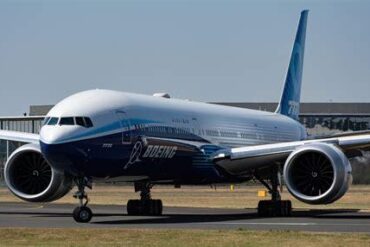
When the Boeing 777X enters service—expected no earlier than 2026—it will mark one of the most transformative moments in the history of widebody commercial aviation. While at first glance it may resemble a routine evolution of the classic 777 platform, the truth is far more revolutionary. Boeing’s flagship twin-aisle jet has undergone a comprehensive redesign, emerging as a future-forward aircraft engineered to meet the challenges of the 21st-century airline industry. For carriers seeking enhanced efficiency, passenger appeal, and long-haul capability, the 777X promises a technological leap forward unlike any before it.
This aircraft isn’t merely a response to Airbus’ A350; it is a strategic counterstrike that combines the proven economics of twin-engine operations with cutting-edge advances in aerodynamics, systems integration, and cabin experience. Across five core design innovations, the Boeing 777X is set to redefine long-haul flying.
1. A Reshaped and Enlarged Cabin for Higher Comfort and Better Economics
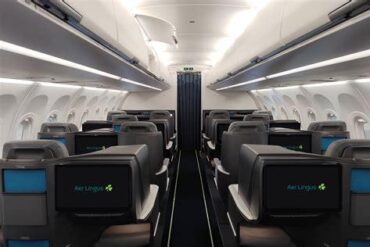
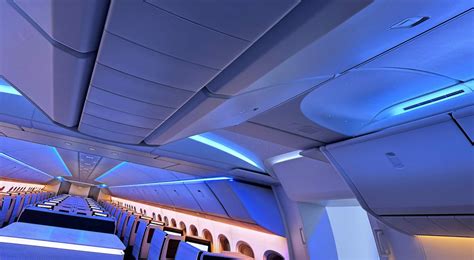
The cabin of the Boeing 777X has been engineered from the ground up to offer an improved passenger experience and superior economics. By re-contouring the sidewalls, Boeing engineers have extracted an additional four inches of interior width, making room for wider aisles without sacrificing seating capacity. The broader aisles are not only a comfort feature for passengers but also a significant operational boon, enabling quicker service and faster boarding/deplaning times.
But it’s not just about width. The ceiling height has been increased, creating a loftier and more spacious cabin environment. Combined with the longer fuselage—251 ft 9 in (76.73 m) for the 777-9—the redesign allows for configurations that balance premium seating options with higher seat counts. Airlines can finally configure cabins that integrate first-class suites and higher-yield business class with greater density than ever before.
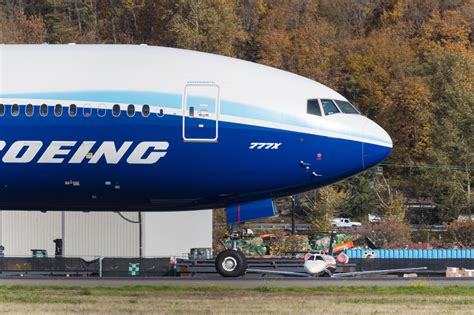
Another subtle yet critical innovation is the removal of overwing emergency exits. The redesigned egress layout uses eight main doors, eliminating wing slide systems, which in turn reduces weight and maintenance complexity. For high-density configurations, Boeing offers an optional fifth door set behind the third row of exits to maintain evacuation compliance while keeping the wing structure clean and efficient.
2. An Elevated Inflight Experience Rooted in 21st-Century Expectations
The 777X interior experience is a significant departure from its 1990s predecessors. While the physical seats may still be determined by the airline, Boeing has ensured that the core infrastructure supports a more relaxing and enjoyable journey. The redesigned cabin features larger dimmable windows—borrowed from the 787 Dreamliner—which are positioned higher on the fuselage for improved views and natural lighting.
Humidity control systems and advanced HEPA filters will make the onboard atmosphere more pleasant and healthier, a key consideration for long-haul travelers. The aircraft’s cabin pressure has been optimized to levels more akin to the 787 and A350, significantly reducing fatigue on extended flights.
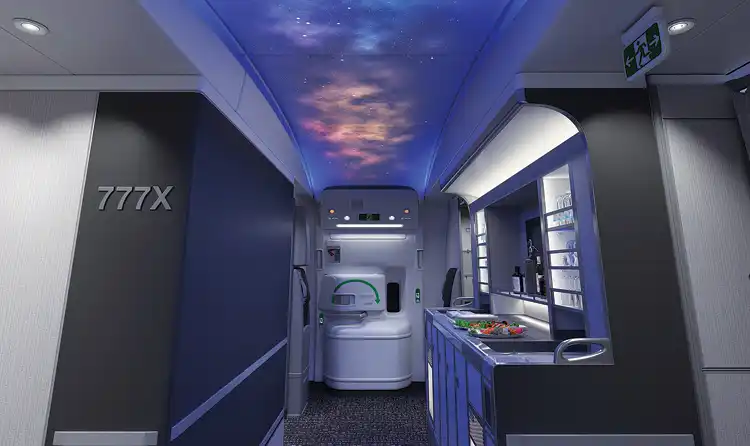
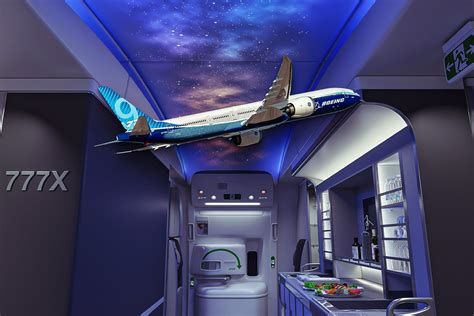
Passengers will notice quieter cabins, thanks to both the airframe design and the quieter GE9X engines. The new LED lighting system can simulate circadian rhythms and even project customizable ceiling effects, including starlight skies in premium cabins.
Moreover, massive overhead bins offer space for larger carry-ons, decreasing boarding time frustration. For first and business class, Boeing has made optional central overhead bins available, freeing up sidewall space to accentuate the openness of the premium cabin.
3. Flight Deck Integration with Touchscreen and Digital Connectivity
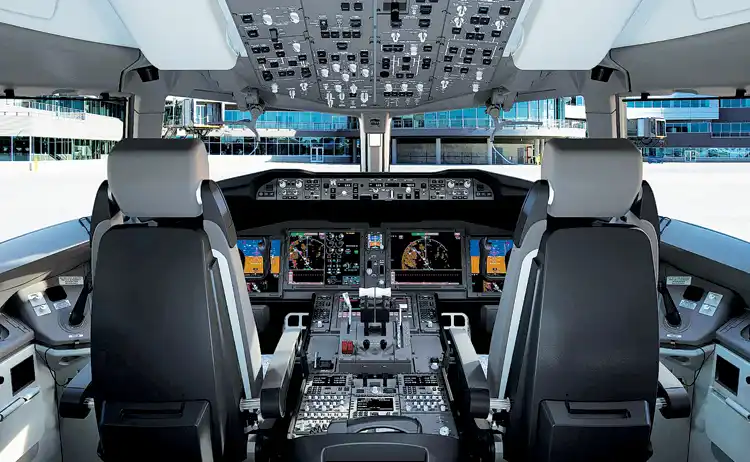
The flight deck of the Boeing 777X has undergone an intelligent transformation aimed at enhancing pilot situational awareness and reducing workload. Drawing heavily from the 787 Dreamliner, the cockpit incorporates large-format displays and touchscreen functionality, making data management more intuitive and streamlined. This modern interface not only reduces clutter but improves accessibility of controls during high workload conditions.
One particularly novel feature is the Crew Information Gateway, which allows a pilot’s electronic flight bag—typically an iPad—to interface directly with the main display screens. Rather than shifting attention between devices, pilots can now project and manipulate mission-critical information directly on the primary displays, ensuring focus and reducing distraction.
Additionally, dual Heads-Up Displays (HUDs) come standard, projecting essential flight data in real-time onto the windshield. While other manufacturers offer HUDs as an upgrade, Boeing is signaling a new baseline for avionics in the 777X. Compatibility and commonality with the 787 also mean reduced pilot training times, an essential consideration for fleet standardization and cost containment across airline operations.
4. A Composite Mega-Wing with Folding Tips
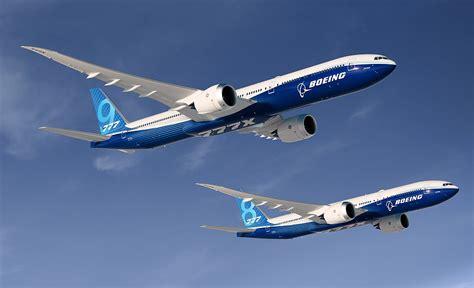
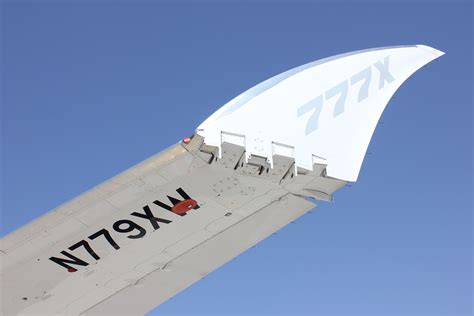
Arguably the most visible innovation of the 777X is its all-new composite wing. Inspired by the Dreamliner, this carbon-fiber structure is longer, lighter, and more aerodynamically efficient than the aluminum wings of its predecessor. When fully deployed, the 777X wing spans 235 ft 5 in (71.76 m)—wider than the Airbus A380—but folds at the tips to maintain compatibility with standard airport Code E gates.
These folding wingtips, a first in commercial aviation, extend just before takeoff and retract immediately after landing. This innovation ensures that the aircraft retains airport compatibility without sacrificing the aerodynamic benefits of a longer wingspan. Despite its size, the new wing enables lower fuel burn and reduced engine thrust requirements, improving both performance and environmental sustainability.
The aerodynamic gains of the wing are substantial. By maintaining lift with less power, Boeing reduces fuel usage, engine wear, and emissions. For airlines, this translates to lower operating costs and increased payload flexibility, especially on ultra-long-haul routes where margins are tight.
5. The GE9X: A Game-Changing Powerplant
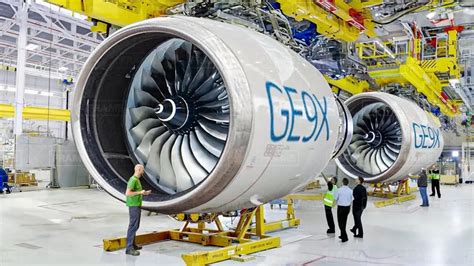
Powering the 777X is the General Electric GE9X, the largest and most advanced commercial jet engine ever certified. Though its rated thrust—110,000 lbf—is lower than the outgoing GE90-115B, this is a deliberate move. Thanks to the improved aerodynamics of the aircraft, the engine doesn’t need to work as hard, which increases fuel efficiency and durability.
During testing, the GE9X achieved a world-record thrust of 134,300 lbf, proving its latent power. The engine features a 10:1 bypass ratio, the highest of any GE commercial engine, and includes an array of exotic materials, including ceramic matrix composites and 3D-printed parts. These allow the engine to operate at higher internal temperatures with less wear, maximizing fuel efficiency and maintenance intervals.
Moreover, the engine nacelle incorporates laminar flow contours, which reduce aerodynamic drag, a design cue taken from the 787. Combined with its lower acoustic footprint and emissions profile, the GE9X positions the 777X as one of the cleanest-burning widebodies in its class.
For airlines, the long-term implication is clear: lower maintenance costs, better environmental compliance, and unmatched fuel economics on high-capacity, long-range routes.
Conclusion: A Giant Leap in Efficiency and Capability
The Boeing 777X represents not a continuation but a reimagining of the twin-aisle market leader. Its combination of a roomier cabin, next-generation inflight features, digitally enabled flight deck, advanced composite wing, and world-record-setting GE9X engines set a new benchmark in the segment. For carriers facing rising fuel costs, environmental regulations, and evolving passenger expectations, the 777X offers a platform built for the next two decades of global air travel.
Despite development delays, the promise of the aircraft remains undeniable. As Boeing completes its final testing phases and airlines prepare for integration, the 777X stands ready to assume its place as the next flagship of international long-haul fleets.