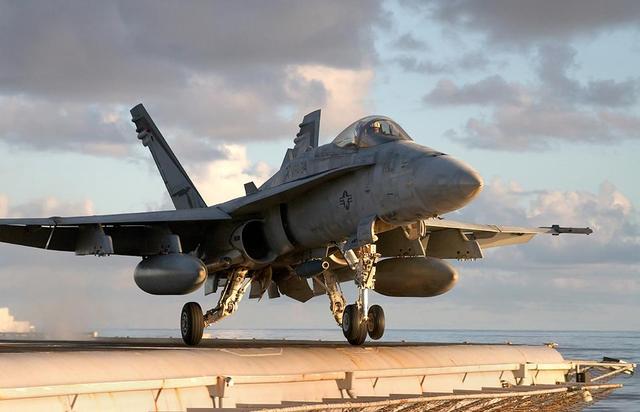
The F/A-18 Hornet is one of the most versatile multirole fighter aircraft in modern aviation history, and its canopy plays a crucial role in ensuring pilot safety, operational effectiveness, and aerodynamic efficiency. Designed for high-speed naval operations, the canopy integrates cutting-edge materials, stealth-enhancing features, and an advanced escape system. This article delves into the intricate details of the F/A-18 canopy, exploring its composition, stealth characteristics, naval adaptability, avionics integration, and emergency ejection capabilities.
Material Composition and Structural Integrity
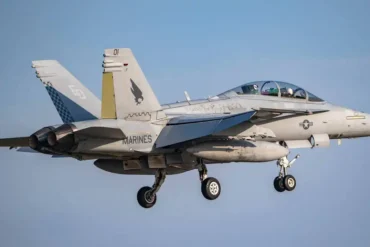
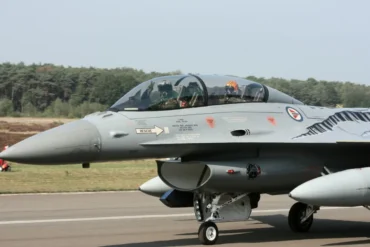
The F/A-18 canopy is a single-piece construction made from high-strength polycarbonate, providing exceptional impact resistance and optical clarity. This material choice ensures that pilots have an unobstructed field of vision, crucial for both air-to-air engagements and precision strike missions. Unlike traditional multi-section canopies, the single-piece design minimizes structural weak points, enhancing overall durability and survivability.
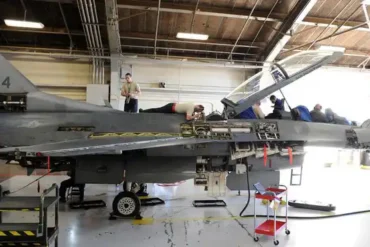
To support the intense operational demands of carrier-based aviation, the canopy is engineered to withstand high-pressure differentials, thermal stresses, and aerodynamic loads at supersonic speeds. Maintenance crews benefit from a streamlined removal and installation process, allowing for rapid replacement and repairs even on aircraft carriers under combat conditions.
Stealth Enhancements and Radar Signature Reduction
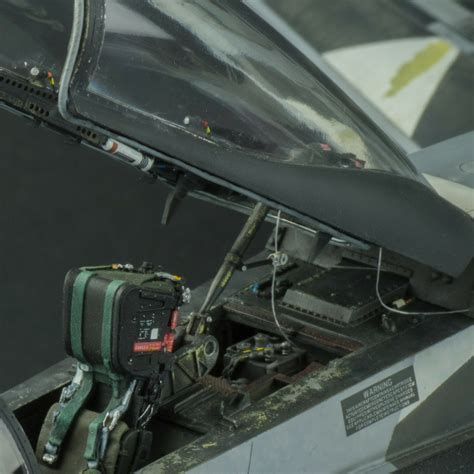
While the F/A-18 Hornet is not a fifth-generation stealth aircraft, enhancements to its canopy design contribute to reduced radar cross-section (RCS). In advanced variants such as the F/A-18E/F Super Hornet, the canopy incorporates a radar-absorbing coating to diminish electromagnetic reflections, making it more challenging for enemy radar systems to detect and track the aircraft.
The stealth improvements are particularly beneficial during high-threat penetration missions, where minimizing detectability can be the difference between mission success and failure. Despite not achieving the stealth capabilities of the F-35, these upgrades provide an edge in beyond-visual-range (BVR) combat scenarios.
Naval Adaptability and Structural Reinforcements
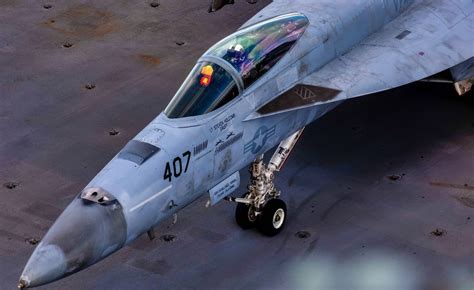
As a carrier-based fighter, the F/A-18 undergoes extreme stresses during catapult-assisted takeoffs and arrested landings. The canopy must endure rapid G-force transitions, high-speed airflow impact, and continuous vibrational stress without compromising pilot visibility or structural integrity.
During carrier landings, pilots rely on a clear, distortion-free field of view to align precisely with the arresting cables. The canopy’s anti-glare and UV-resistant properties ensure that sunlight and ocean reflections do not interfere with critical approach maneuvers. Additionally, during recent Indian Navy carrier trials, the F/A-18E Super Hornet demonstrated its capability to perform ski-jump takeoffs, further proving the canopy’s resilience in high-stress environments.
Advanced Avionics Integration and Pilot Interface
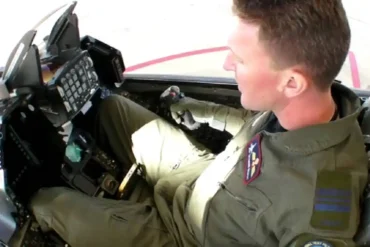
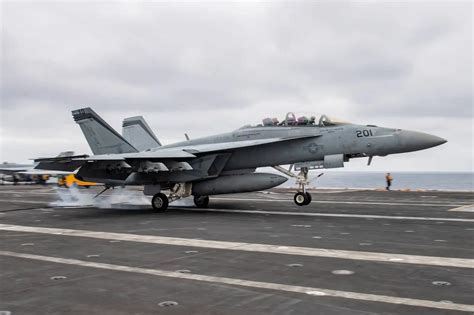
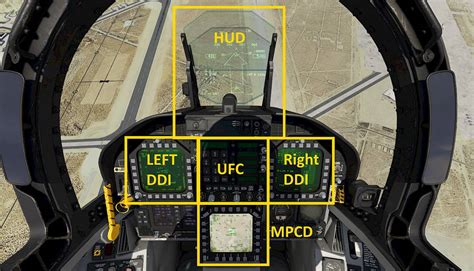
The F/A-18 cockpit canopy is more than just a protective shield; it is an integral part of the pilot’s interface with the aircraft. Embedded within the canopy structure is an advanced avionics suite, featuring a Heads-Up Display (HUD) that projects real-time combat data, flight parameters, and targeting information onto the pilot’s line of sight.
In modern Super Hornet upgrades, the cockpit integrates large-area display (LAD) screens and helmet-mounted cueing systems, enhancing pilot situational awareness. This synergy between avionics and canopy design ensures that information is delivered with minimal latency, allowing for rapid tactical adjustments during dogfights and strike missions.
Emergency Ejection and Pilot Safety Measures
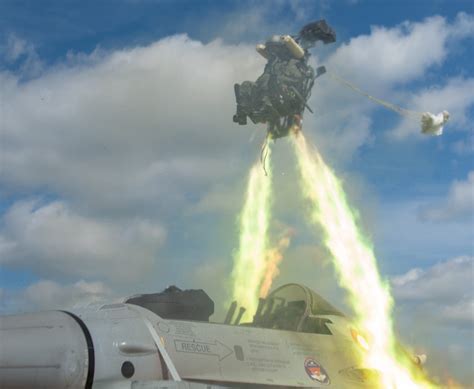
One of the most critical functions of the F/A-18 canopy is facilitating a rapid ejection sequence in emergency scenarios. The aircraft is equipped with a Martin-Baker ejection seat, which works in tandem with a pre-programmed canopy jettison system.
In an emergency, explosive charges separate the canopy from the fuselage milliseconds before the ejection seat activates, ensuring an unobstructed escape path for the pilot. The reliability of this ejection mechanism has been proven in multiple real-world incidents, solidifying the F/A-18’s reputation for pilot survivability in combat zones.
Conclusion
The F/A-18 canopy is a technological masterpiece, balancing protection, operational efficiency, and pilot interface enhancements. From its high-strength polycarbonate structure to stealth coatings and emergency ejection systems, every aspect of the canopy is designed to maximize combat readiness.
With continuous upgrades in avionics, stealth properties, and carrier adaptation features, the F/A-18 Hornet and Super Hornet remain dominant forces in modern aerial warfare.
FAQ
1. What materials are used in the F/A-18 canopy?
The F/A-18 canopy is made from single-piece high-strength polycarbonate, ensuring superior impact resistance, clarity, and durability in high-stress environments.
2. How does the canopy contribute to stealth performance?
In advanced variants like the F/A-18E/F Super Hornet, the canopy is treated with a radar-absorbing coating that reduces its radar cross-section (RCS), making the aircraft harder to detect.
3. What role does the canopy play in emergency ejections?
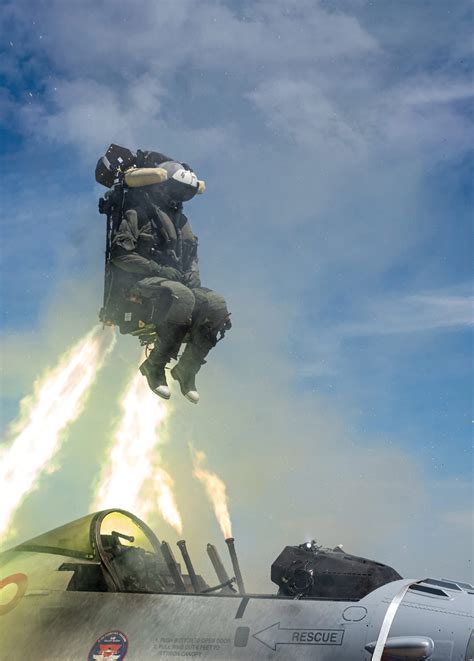
The F/A-18 canopy jettison system works with the Martin-Baker ejection seat, ensuring a clear escape route for pilots in emergency situations. Explosive bolts detach the canopy before the ejection seat activates, allowing for a safe egress.
The F/A-18 canopy remains a critical component of this iconic fighter jet, offering a perfect blend of protection, innovation, and operational adaptability.