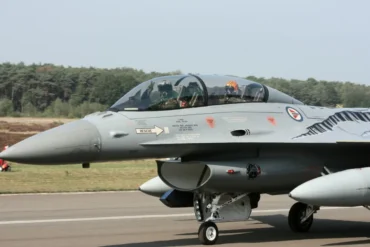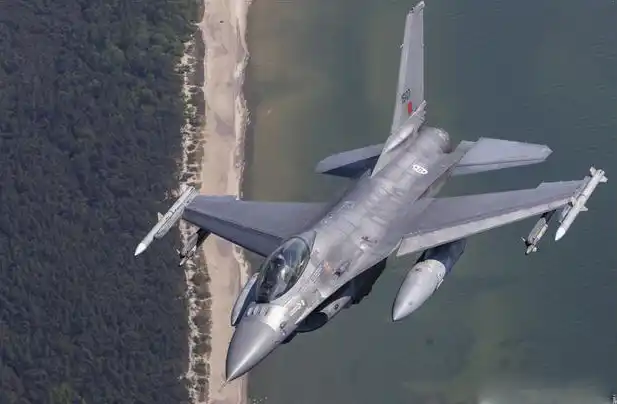
The General Dynamics F-16 Fighting Falcon is one of the most widely used multirole fighter aircraft in the world. Designed for high maneuverability, advanced avionics, and superior combat capabilities, the F-16 operates under a variety of conditions with remarkable adaptability. One common question about its operational design is whether it is equipped with a drag chute for landing assistance. Unlike some aircraft that rely on a drag chute to shorten landing distances, the F-16 primarily depends on its braking system and aerodynamic controls. This article explores the reasoning behind this design choice, compares it with other fighter aircraft, and examines alternative deceleration techniques used in F-16 operations.
F-16 Landing Design and Deceleration Mechanisms
Aerodynamic and Structural Considerations
The F-16 was designed with a lightweight airframe and a high-thrust-to-weight ratio, ensuring exceptional performance in both air-to-air and air-to-ground missions. Its landing configuration incorporates several features that compensate for the lack of a drag chute:
- Efficient braking system – The aircraft utilizes high-performance carbon brake discs, which provide enhanced stopping power while minimizing weight.
- Leading-edge and trailing-edge flaps – These flaps contribute to increased drag and improved stability upon landing.
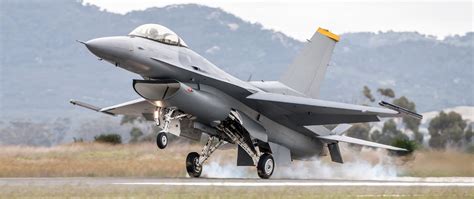
- Aerodynamic braking – After touchdown, F-16 pilots raise the nose of the aircraft to create additional drag, effectively slowing down the jet before wheel brakes are applied.
- Nose wheel steering system – This assists in maintaining directional control after landing, reducing reliance on external braking systems.
Why Doesn’t the F-16 Use a Drag Chute?
Short Runway Operations and Braking Efficiency
Unlike older fighter jets that rely on parachute-based braking systems, the F-16’s advanced brake system and aerodynamic design provide sufficient stopping power. A drag chute adds weight, requires additional maintenance, and introduces potential deployment failures in high-stress conditions. The F-16’s braking system is optimized for both long and short runways, making a drag chute unnecessary in standard operations.
Comparing the F-16 to Other Fighter Jets
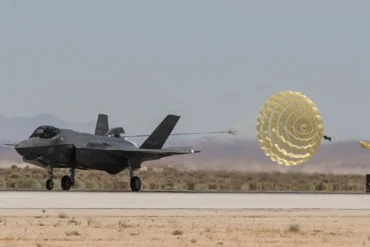
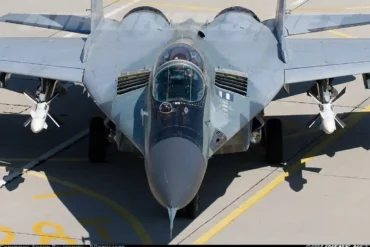
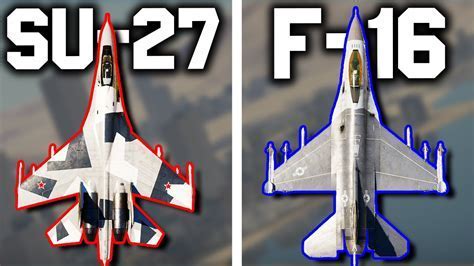
Many Russian and European fighter jets, such as the Sukhoi Su-27, MiG-29, and Dassault Mirage 2000, feature drag chutes as a standard component. These aircraft often operate from shorter or less prepared airstrips, where additional braking mechanisms are required. Conversely, the F-16 was designed with a modular and adaptable braking system, eliminating the need for a drag chute under most operational conditions.
Special Variants and Modifications
While the standard F-16 is not equipped with a drag chute, some nations have pursued modifications to better suit unique operational environments. Notable examples include:
- F-16I “Sufa” (Israel) – Modified for desert operations, but no confirmed use of drag chutes.
- F-16 variants in extreme weather conditions – Some nations operating in Arctic or extreme weather conditions have explored custom modifications, though drag chute installations remain uncommon.
Alternative Deceleration Strategies for the F-16
Aerodynamic Braking
As mentioned, the F-16 employs aerodynamic braking to reduce speed upon landing. This technique involves holding the nose up after touchdown, increasing the surface area exposed to oncoming air resistance.
Arrestor Hooks for Emergency Landings
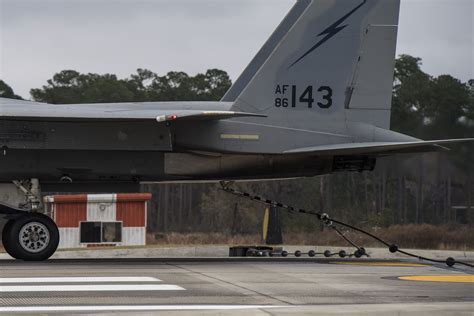
In emergency situations, the F-16 can utilize arrestor hook systems on runways equipped with arrestor cables. This is particularly useful for short-field landings or when brakes are damaged.
External Load Jettisoning
In critical scenarios, pilots may jettison external fuel tanks or weapons to reduce weight and improve braking efficiency. This is a last-resort measure used primarily during emergency landings.
Conclusion
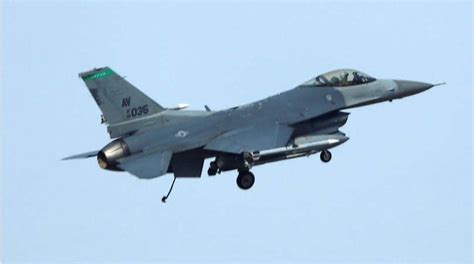
The F-16 does not require a drag chute due to its superior braking system, aerodynamic braking techniques, and modular landing approach. While other fighter jets rely on parachutes for deceleration, the F-16’s design philosophy emphasizes efficiency, versatility, and adaptability. Special modifications may exist for certain operational needs, but in standard configurations, the F-16 achieves effective landing performance without the need for a drag chute.
FAQ
1. Can an F-16 be modified to use a drag chute?
While theoretically possible, it is not a standard modification. The F-16’s braking system and aerodynamic features make drag chutes unnecessary in most scenarios. Some operators might explore modifications, but no widespread adoption exists.
2. Why do Russian fighter jets use drag chutes while the F-16 does not?
Russian jets, such as the Su-27 and MiG-29, are designed for shorter, rougher airstrips, where additional deceleration methods like drag chutes are beneficial. The F-16, designed for modern airfields, relies on carbon brakes and aerodynamic braking instead.
3. What happens if an F-16’s brakes fail during landing?
In such cases, the aircraft may rely on emergency arrestor cables at designated airfields or use aerodynamic braking to reduce speed before stopping. Pilots are also trained to perform runway excursions safely when necessary.