The Importance of Drag Chute Systems in Modern Fighter Jets
Drag chute systems have long been used in aviation to slow aircraft quickly and safely after landing. However, when it comes to the F-35A, the stakes are significantly higher. The F-35A is a fifth-generation stealth fighter jet that demands the utmost precision and performance. The ability to land safely on short runways, particularly in adverse weather conditions like ice and snow, is crucial for maintaining mission success and safeguarding valuable aircraft and personnel.
In this context, the drag chute system is not just an added feature but a vital tool that ensures operational flexibility and safety, particularly in environments that are challenging for even the most advanced aircraft.
How the F-35A Drag Chute System Works
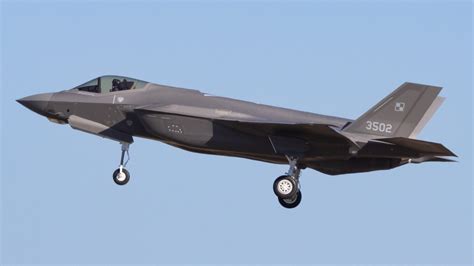
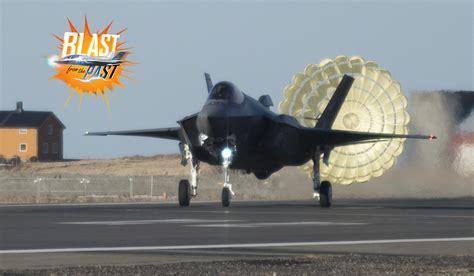
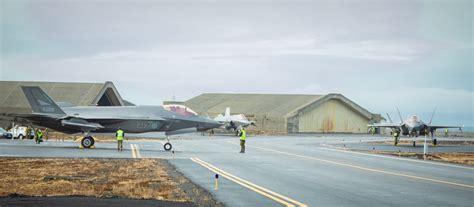
The F-35A drag chute system is a compact yet highly effective solution to the challenge of landing on short, icy, or wet airstrips. At first glance, the F-35A might seem uniform in appearance compared to other jets of the same model, with the only notable exception being the presence of a small aerodynamic pod. This pod, positioned between the canted vertical stabilizers of the jet, is the defining feature of the Norwegian, Danish, Dutch, and Belgian variants of the F-35A.
This drag chute pod is designed with a high degree of aerodynamic efficiency and stealth considerations. As with all aspects of the F-35 program, maintaining a low radar cross-section is paramount. The drag chute system is carefully integrated to ensure it does not compromise the aircraft’s stealth capabilities while in flight.
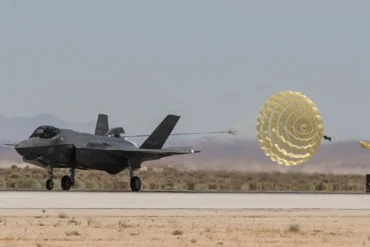
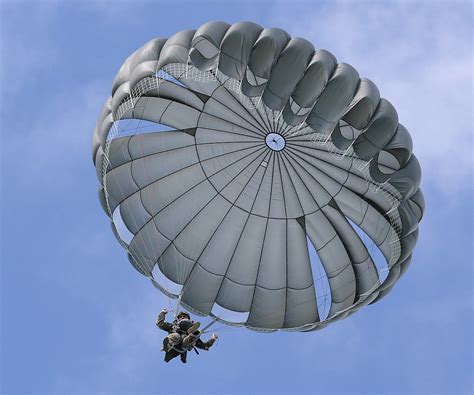
The system operates through a hydraulic mechanism that allows for rapid deployment of the Kevlar parachute. The process begins when the pilot flips a switch on the upper left side of the instrument panel. This action activates hydraulic actuators that open the pod and release the chute, creating significant aerodynamic drag, which in turn slows the aircraft as it touches down. Once the aircraft has decelerated sufficiently, the pilot can then retract the chute by flipping the switch down, bringing the F-35A to a controlled stop.
The drag chute is not just a simple parachute, but a sophisticated system that requires fine-tuned coordination between pilot and aircraft. By deploying the chute, the pilot is able to effectively control the deceleration of the aircraft, enhancing both safety and stability.
Key Design Features of the F-35A Drag Chute Pod
The drag chute pod installed on the F-35A is a highly engineered component that balances both functionality and stealth. Several key design features set it apart from conventional drag chute systems used on other aircraft:
- Stealth Integration: The pod is integrated into the aircraft’s design to ensure minimal impact on its radar cross-section. The F-35A is known for its stealth technology, and the drag chute system maintains the aircraft’s low observability while in flight.
- Modular Design: The pod is designed as a wing pylon, which allows for quick and efficient installation and removal. This makes maintenance simpler and faster, reducing the downtime of the aircraft during operations.
- Kevlar Parachute: The drag chute itself is made of Kevlar, a material known for its strength and durability. This ensures that the chute can withstand the high stresses generated during rapid deceleration on short, icy runways.
Benefits of the F-35A Drag Chute System
The drag chute system offers several operational advantages that contribute to the F-35A‘s success in demanding environments. Some of the most notable benefits include:
- Improved Landing Safety: The primary advantage of the drag chute system is its ability to slow the aircraft rapidly and safely, particularly on short, slippery runways. Without the drag chute, pilots would face a significantly higher risk of overrun accidents or loss of control after landing.
- Operational Flexibility: The system expands the F-35A‘s operational capabilities, allowing it to operate in regions with limited runway space or in challenging weather conditions. This is particularly important for air forces operating in the Arctic or northern Europe, where short, icy runways are common.
- Enhanced Stability: The drag chute not only slows the aircraft but also provides enhanced stability during the landing phase. By reducing the aircraft’s speed, the chute allows pilots to maintain greater control during the critical moments after touchdown.
Deployment Across Multiple Air Forces
Since its development, the F-35A drag chute system has become a cornerstone of the aircraft’s operation within several European air forces. Initially developed for the Royal Norwegian Air Force (RNoAF), the system has since been integrated into the fleets of the Royal Danish Air Force, Royal Netherlands Air Force, and the Belgian Air Component. These countries operate the F-35A in a variety of environments, including short, icy airstrips, where the drag chute system plays a vital role in ensuring successful missions.
The system’s versatility has been proven through extensive testing and operational use, with pilots across multiple nations praising its effectiveness in both normal and extreme conditions. The integration of the drag chute system into these air forces exemplifies the global commitment to enhancing the capabilities of the F-35A and ensuring its success in all types of operational theaters.
Conclusion
In summary, the F-35A drag chute system is a remarkable feat of engineering that significantly enhances the operational safety and flexibility of one of the world’s most advanced fighter jets. Through its thoughtful design and integration, this system allows the F-35A to safely land on short, icy runways, ensuring that it remains a formidable and highly effective asset for air forces worldwide. Whether in Arctic conditions or other challenging environments, the drag chute system will continue to be an essential component of the F-35A’s success in the air.