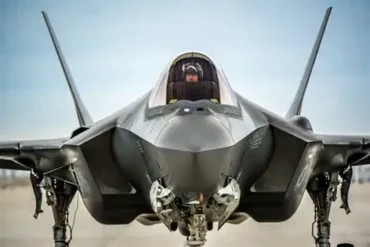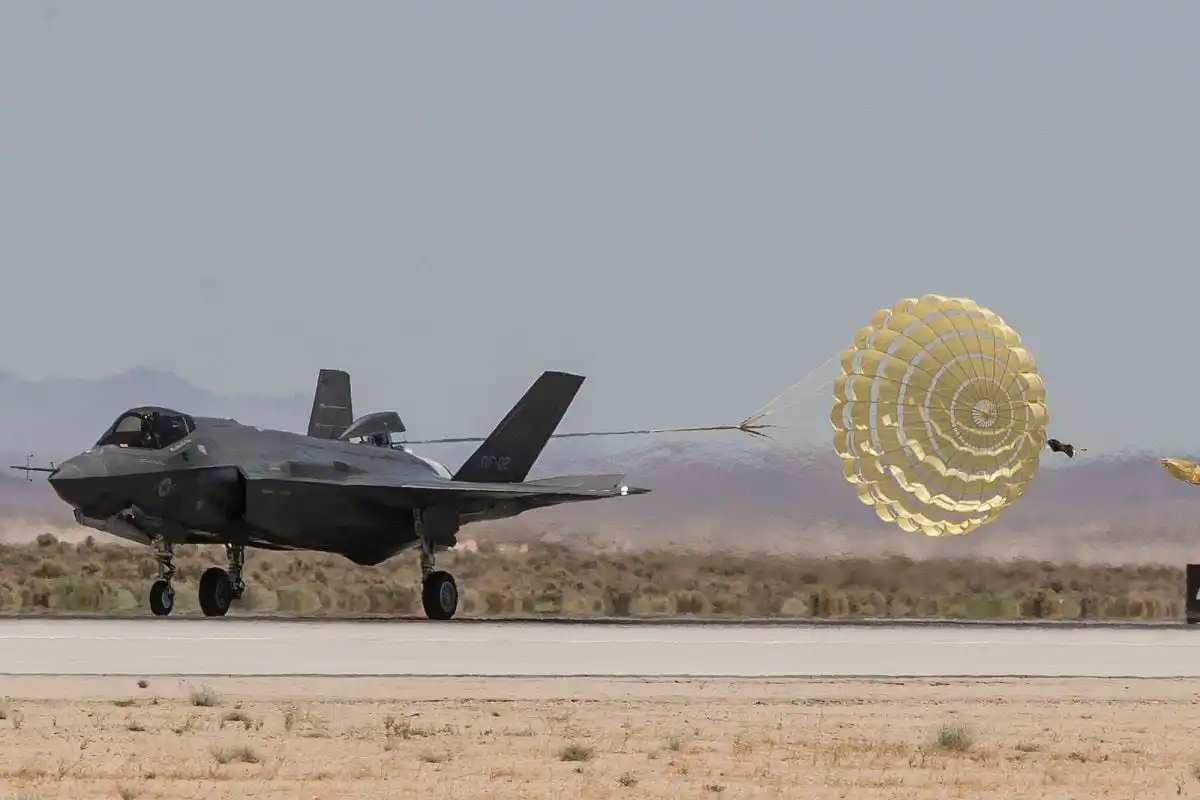
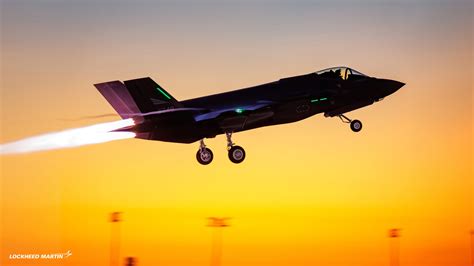
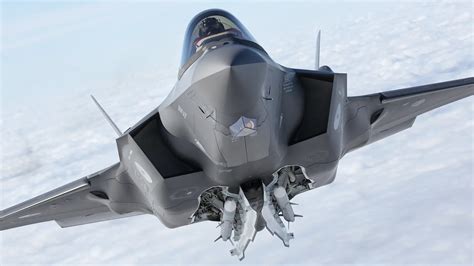
The F-35 Lightning II, the most advanced multirole stealth fighter in active deployment, embodies technological supremacy in modern combat aviation. However, a lesser-known yet critical subsystem—the F-35 drag chute—showcases the platform’s adaptability to extreme operational environments, particularly in Arctic and sub-Arctic regions. Specifically engineered at the request of countries like Norway, the drag chute exemplifies modular design, climate-specific enhancements, and multinational collaboration.
The F-35 drag chute is not merely an accessory—it is a specialized solution tailored to mitigate operational risks in low-temperature environments with frequent runway icing. As we explore this unique aerodynamic braking system, we uncover how innovation meets necessity, culminating in a stealth-compatible yet functionally indispensable system.
Design Origins: A Nordic Requirement Transformed into Tactical Innovation
Climate-Driven Necessity
The initial impetus for integrating a drag chute system came from Norway’s Ministry of Defence, citing operational concerns over icy runways during the extended Nordic winters. Traditional braking systems on jet fighters proved insufficient under such conditions, where hydraulic wheel brakes risk skidding and extended landing rolls could lead to dangerous overruns. To meet Arctic operational readiness, Norway requested a dedicated drag chute for its fleet of F-35A aircraft—the conventional takeoff and landing (CTOL) variant.
This demand led Lockheed Martin and international partners to develop a custom-tailored system that not only delivered high deceleration performance but also retained the platform’s defining feature: low observability.
Stealth-Conscious Engineering: Drag Chute Integration with Minimal Signature Impact
Pod Design and Positioning
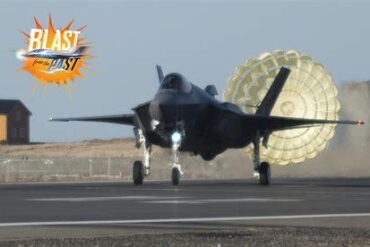
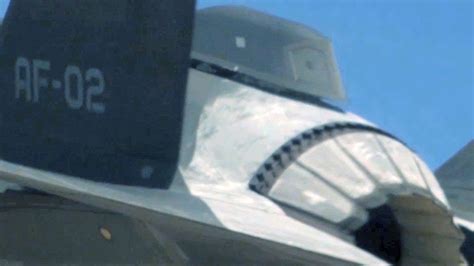
One of the main challenges in adding a drag chute to a fifth-generation stealth aircraft was maintaining its radar cross-section (RCS) integrity. Engineers designed the chute housing as a low-profile conformal pod, mounted precisely between the two vertical tail fins. This pod seamlessly aligns with the aircraft’s contours, avoiding disruptive angular surfaces that could degrade stealth performance.
The drag chute pod is hydraulically operated, opening via cockpit control. Its rapid deployment mechanism allows full chute extension within seconds after touchdown. The quick-attach/detach design also enables rapid maintenance or reconfiguration in operational theaters.
Stealth Retention under Operational Load
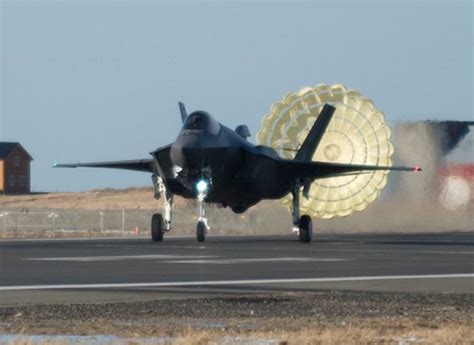
The drag chute system is uniquely modular and optional, ensuring F-35As that operate in more temperate climates can fly without the pod, avoiding any unnecessary weight or drag penalties. This design philosophy demonstrates Lockheed Martin’s commitment to mission-specific configuration without compromising the platform’s universal architecture.
Materials, Mechanics, and Deployment Control
Kevlar-Based Construction
At the core of the drag chute system is its parachute canopy, constructed from high-tensile Kevlar fiber. Chosen for its exceptional strength-to-weight ratio and heat resistance, Kevlar ensures structural integrity during high-speed deployments even in subzero temperatures.
Pilot-Controlled Interface
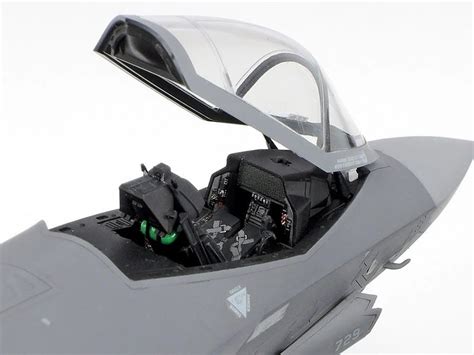
F-35 pilots can deploy the drag chute manually through a left-panel switch in the cockpit immediately after touchdown. As the chute unfurls, it creates substantial aerodynamic drag, significantly reducing the aircraft’s landing roll on short, icy, or sloped runways.
Once deceleration is achieved, the chute automatically detaches to prevent canopy entanglement or ingestion by the aircraft’s rear exhausts. This sequence is calibrated by onboard avionics and timed precisely for optimal aerodynamic braking and system safety.
System Testing, Reliability, and Operational Certification
Strict Nordic Standards
Norway set exacting performance benchmarks for the drag chute system. The maximum allowable failure rate was one in 10,000 operations, a standard that pushed development teams to refine and stress-test the system under a wide range of flight conditions and temperatures.
Between 2018 and 2020, the Royal Norwegian Air Force conducted a rigorous series of test flights and runway deployments, simulating various glide slope angles, wind shear conditions, and runway frictions. Final validation occurred in early 2021, confirming full operational capability in advance of winter mission planning.
International Collaboration and Procurement Plans
Norway as Lead Integrator
As the first customer to request and receive drag chute-equipped F-35As, Norway acted as the lead integrator and sponsor of the development program. However, its operational innovation has sparked interest across other F-35 user nations with similar environmental constraints.
Netherlands, Denmark, and Canada Join Development
- The Netherlands and Denmark, both operating in northern European latitudes, joined the drag chute development working group.
- Canada, which finalized its F-35A procurement agreement in 2022, requested inclusion of the drag chute system for operations in Alberta, Nunavut, and other remote Arctic airfields.
Canada’s acquisition is particularly noteworthy because domestic firms were involved in the drag chute’s component production, reinforcing its commitment to local aerospace manufacturing.
Legacy and Doctrinal Continuity
From F-16 to F-35: Evolution in Runway Braking
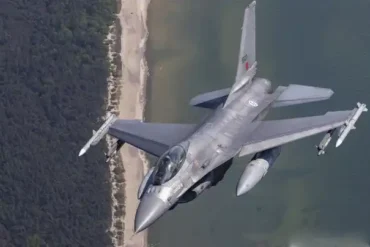
The Royal Norwegian Air Force historically required drag chutes on its F-16 Fighting Falcons, with deployment bays located at the base of the vertical stabilizer. This operational doctrine—emphasizing safe landings on ice-covered runways—transferred directly to the F-35A program.
The key difference is integration quality. Where the F-16’s chute was more externally visible and less stealth-conscious, the F-35’s system is aerodynamically blended, sensor-compatible, and easily serviceable.
This highlights the evolution of climate-focused aviation systems in the era of stealth aircraft.
Operational Evaluation: Performance vs. Trade-offs
Minimal Impact, Maximum Safety
While the drag chute adds slight weight and surface area to the aircraft, flight performance degradation is negligible under normal operations. In fact, when operating from snow-packed runways, the drag chute offers such a pronounced reduction in landing distance that it surpasses the capabilities of even earlier-generation fighters without it.
Pilots consistently report enhanced stopping control, reduced brake wear, and improved safety margins, especially during short-field landings in adverse crosswind conditions.
Conclusion: A Tactical Enhancement for Extreme Environments
The F-35 drag chute system stands as a compelling example of climate adaptation in fifth-generation combat aircraft. Far from being a niche feature, it reflects a new phase in stealth-compatible mission customization, enabling air forces to tailor their platforms for national weather conditions and operational doctrines.
As more Arctic and northern-tier countries operationalize the F-35A, we expect further refinement and possible inclusion of next-gen braking innovations, continuing the cycle of modular design, multilateral cooperation, and performance-driven integration.
FAQ
Why does only the F-35A have a drag chute and not other variants like the F-35B or F-35C?
The F-35A is the conventional takeoff and landing (CTOL) version used by air forces. In contrast, the F-35B (STOVL) and F-35C (carrier variant) operate in environments where icy runways are rare, such as naval carriers or temperate bases. Therefore, the drag chute was only engineered for the F-35A variant based on the needs of specific land-based users like Norway and Canada.
Can the drag chute be retrofitted onto existing F-35A aircraft?
Yes, the drag chute system is modular and can be retrofitted during scheduled maintenance or upgrade cycles. The conformal pod design allows for straightforward integration on any Block 4-compatible F-35A airframe without compromising stealth or structural integrity.
What is the expected lifespan of the F-35 drag chute system?
Each drag chute canopy is designed for single-use or limited-use operations, depending on conditions. However, the housing and deployment system are rated for the full lifecycle of the airframe, provided regular inspections and replacements of expendable components are performed according to Lockheed Martin and user-country maintenance protocols.