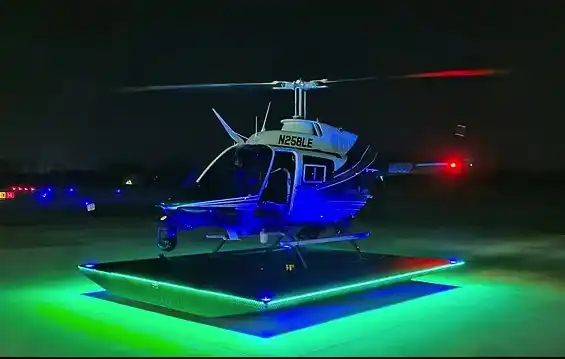
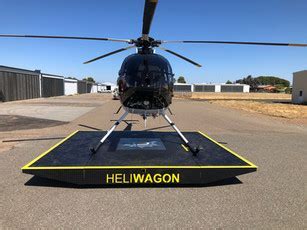
In the evolving world of aerospace ground support, the demand for safer, smarter, and more efficient helicopter transport solutions has never been higher. Among the innovations transforming this niche sector, Heliwagon stands at the forefront—a fully electric, remote-controlled helicopter transport platform engineered to solve the persistent challenges of traditional towing methods. Designed, manufactured, and supported entirely in the United States, Heliwagon seamlessly blends automation, durability, and adaptability, offering a next-generation solution for modern aviation environments.
Smart Control Systems: Remote Precision in Motion
At the core of Heliwagon’s performance is its advanced wireless control system, offering a user-friendly interface and enhanced maneuverability for operators. With a remote control range of up to 500 feet (152 meters), users gain unparalleled flexibility to move around the platform while maintaining full operational command. This single-operator control eliminates the need for bulky tugs, manual labor, or ground crew coordination, reducing the chance of human error.
The wireless controller, powered by standard AAA alkaline batteries, provides real-time responsiveness in all directions, enabling 360-degree unrestricted mobility. For critical environments or preference-based setups, a wired mode allows direct connection between the controller and the platform—ensuring redundancy in sensitive operations.
Electric Power and Endurance: Commercial-Grade Energy Delivery
One of the most significant shifts that Heliwagon brings to the aviation ground-handling landscape is its 100% electric propulsion system. Unlike outdated fuel-powered trailers or labor-intensive mechanical dollies, Heliwagon uses commercial-grade lithium battery systems, delivering powerful and consistent torque for seamless movement.
Key performance specifications include:
- Power Input Options: Compatible with 110V, 220V, and select models with 240V charging systems.
- Continuous Runtime: Exceeds 4 hours of non-stop operation on a full charge.
- Travel Speed: Capable of 200 feet per minute (61 meters per minute), allowing quick and safe hangar or apron transfers.
This electric solution aligns with modern aviation’s push toward sustainability, lowering operational emissions and contributing to cleaner, more efficient flight line support.
Durability Meets Safety: Engineered for Harsh Aviation Environments
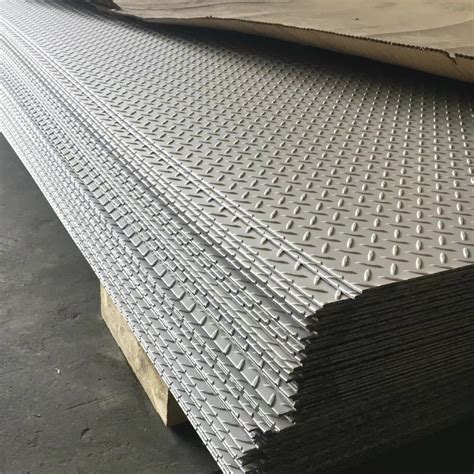
Heliwagon’s physical integrity is unmatched in its category. The frame features anti-corrosive powder coating, designed to resist damage from exposure to the elements, including moisture, chemicals, and aviation fuel vapors. The side panels are built from industrial-grade diamond plate steel, offering reinforced resistance against side impacts and operational wear.
The deck surface is coated in non-slip polyurethane, a material specifically chosen for its resistance to aviation fluids like hydraulic oil, Jet A fuel, and de-icing chemicals. This thoughtful surface treatment protects both personnel and high-value aircraft from unintended slippage or surface corrosion. Moreover, the load-bearing design supports helicopters up to 9,000 pounds (approximately 4,082 kilograms), making it suitable for most light to medium skid-equipped rotorcraft.
This high weight tolerance, paired with a low-profile and shock-absorbing surface, also helps mitigate landing gear fatigue—a critical concern in helicopter maintenance cycles. The deck not only cushions aircraft weight but also protects the skids from direct mechanical stress, extending the service life of expensive rotorcraft components.
Compact Efficiency: Tailored for Hangars and Field Operations
One of Heliwagon’s distinguishing operational advantages is its space-saving design. Aviation facilities, especially private hangars, EMS pads, and MRO shops, often struggle with maneuverability and equipment clutter. Heliwagon addresses this by offering:
- Precision turning radius, allowing tight cornering in confined hangar environments.
- Slim profile, making it easy to store when not in use.
- No need for tugs or external vehicles, which reduces storage and procurement costs.
Additionally, in the event of power failure or atypical terrain navigation, Heliwagon includes a 2-inch tow hitch interface, allowing it to be safely towed by an external vehicle without requiring additional custom adapters.
This built-in manual override capability is essential for military, rescue, and maintenance operations that require fail-safe redundancy.
Operational Compatibility and Versatility
Heliwagon is designed with broad helicopter model compatibility in mind. It supports a wide range of skid-type rotorcraft, making it an ideal ground solution for:
- Law enforcement aviation units
- Air ambulance fleets
- Flight training centers
- Utility and energy sector helicopters
- Private rotorcraft owners
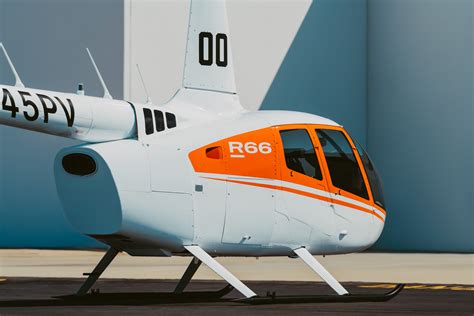
Whether operating an Airbus H125, Bell 407, Robinson R66, or MD 500 series, operators benefit from a unified landing and transport platform. This removes the need to maintain multiple ground handling systems for mixed fleets.
The result is reduced maintenance overhead, streamlined training, and simplified operations—all of which contribute directly to lowering the total cost of ownership.
Built and Supported in the United States
Unlike many ground handling products sourced from disparate manufacturing chains, Heliwagon is 100% American made. This offers two major advantages. First, it guarantees adherence to strict U.S. quality control standards—a crucial factor in aerospace-related tooling. Second, it provides customers with direct access to technical support, parts availability, and custom engineering consultations through the manufacturer.
Whether contacting the team via phone or online service forms, users can connect directly with the engineers and specialists behind the product. This responsive support structure enhances product longevity and user confidence, particularly in time-sensitive aviation contexts where downtime equals revenue loss.
Strategic Benefits in Emergency and Mission-Critical Applications
Heliwagon’s reliability and ease of use make it particularly valuable in emergency medical services (EMS), search and rescue (SAR), and disaster response operations. In such scenarios, every second counts. The ability to rapidly reposition aircraft without auxiliary vehicles or crew dependencies enables mission teams to deploy and recover faster, more safely, and with greater consistency.
The remote operation system also increases safety for ground personnel, minimizing exposure to rotorwash, engine noise, and spinning components. It’s these features that make Heliwagon not just a logistical tool, but a critical asset in real-world response scenarios.
Conclusion: A New Standard in Helicopter Ground Handling
Heliwagon reimagines helicopter mobility on the ground with a clear emphasis on operator autonomy, electric efficiency, rugged durability, and compatibility across rotorcraft platforms. As the aviation sector continues its shift toward smarter, greener support solutions, Heliwagon presents itself as a trailblazing alternative to traditional towing equipment.
Its innovative design, combined with U.S.-based manufacturing and industry-grade reliability, makes it an essential addition to any helicopter fleet’s ground operations strategy. From military airbases to remote rescue operations, Heliwagon is the future of rotorcraft mobility on the ground.
FAQs About Heliwagon
How long does Heliwagon take to fully charge?
Heliwagon typically requires 4 to 6 hours to fully recharge, depending on the voltage supply (110V, 220V, or 240V). Once charged, it can operate continuously for over 4 hours, making it well-suited for daily field or hangar operations.
What types of helicopters are compatible with Heliwagon?
Heliwagon is designed for light to medium skid-equipped helicopters, including models like the Airbus H125, Bell 206/407, Robinson R44/R66, and MD500 series. Compatibility is focused on aircraft with standard skid landing gear.
Can Heliwagon be used outdoors in harsh weather?
Yes. Heliwagon features a durable, weather-resistant construction, including corrosion-resistant powder coating and non-slip polyurethane deck surfacing. It is engineered for safe, reliable use in both indoor and outdoor environments, including wet, dusty, or hot climates.