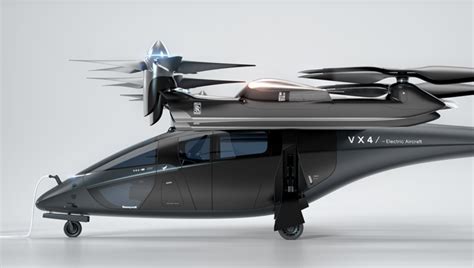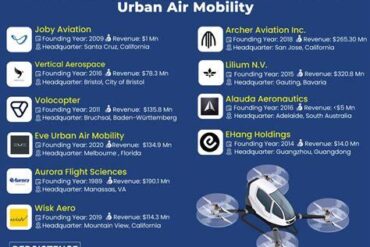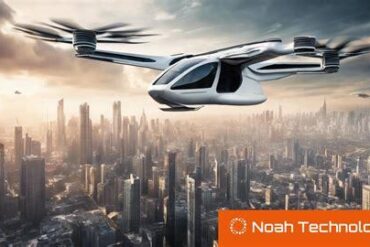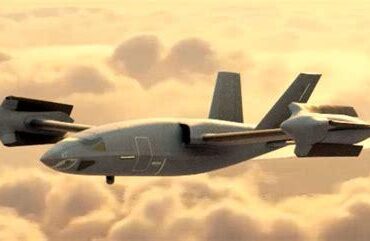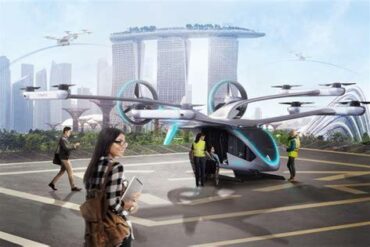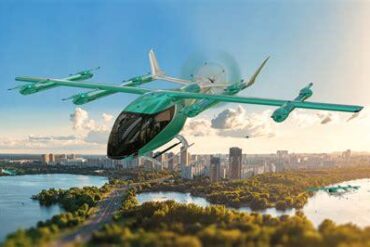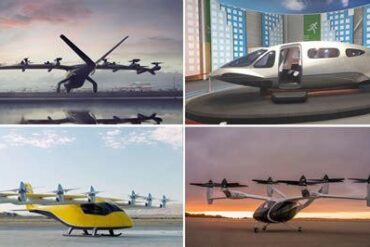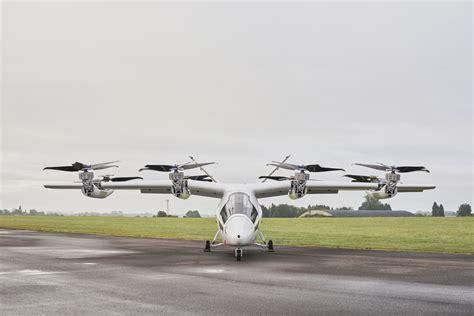
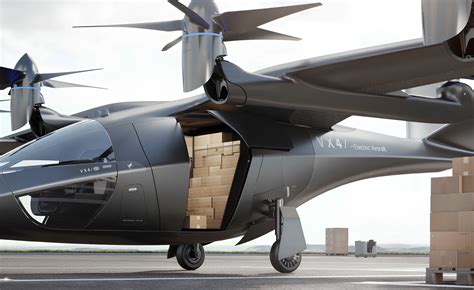
The Vertical Aerospace VX4 represents a pivotal leap in the evolution of electric vertical take-off and landing (eVTOL) aircraft, signaling a disruptive force in urban air mobility. Engineered with precision and backed by strategic alliances with global aerospace leaders, the VX4 is not merely a prototype—it is a symbol of imminent transformation in urban transportation systems.
Conceived and developed by Vertical Aerospace, a UK-based aerospace innovator, the VX4 encapsulates years of intensive research, prototyping, and regulatory navigation. With its full-electric configuration and cutting-edge materials, the VX4 is poised to redefine short-distance aviation.
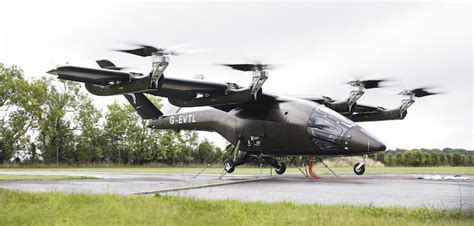
A Breakthrough in eVTOL Design and Capabilities
At the heart of the VX4 lies an uncompromising commitment to performance, safety, and sustainability. The aircraft is designed to carry one pilot and four passengers, bridging the gap between conventional rotorcraft and future autonomous air taxis.
The VX4 cruises at 241 km/h (150 mph) with a target range of 161 kilometers (100 miles). This performance metric makes it ideal for urban and suburban transfers, offering considerable time savings over ground-based transport in congested cities.
Powering this aerial marvel is a distributed electric propulsion system comprising eight ultra-quiet rotors. The entire powertrain exceeds 1 megawatt in total output, ensuring robust lift and horizontal thrust while significantly reducing noise pollution—a crucial factor in gaining urban regulatory approval.
The airframe is constructed from advanced carbon composite materials, co-developed with Leonardo S.p.A., a leader in aerostructures. This choice optimizes the strength-to-weight ratio, contributing to both fuel efficiency and enhanced safety.
Equally vital is the VX4’s safety-centric architecture. The distributed propulsion setup provides built-in redundancy, allowing continued safe operation even if one or more motors fail. This aligns with aviation-grade safety standards, a non-negotiable for commercial deployment.
Flight Testing: From Hover to Wing-Borne Transition
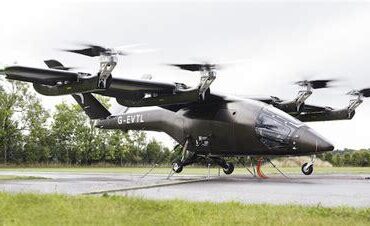
Since its unveiling, the VX4 has progressed through rigorous testing phases. The aircraft successfully completed its 2B test phase, which evaluated low-speed thrust control and hover stability, including maneuvers such as roll and yaw rotations. These tests validated the vertical lift mechanics and initial flight control algorithms.
VX4 is now advancing into the 3A testing stage, focusing on wing-borne flight characteristics. This includes manual control responsiveness, pitch dynamics, and overall aerodynamic handling in forward flight. These validations are critical before advancing to transition mode testing, where the aircraft shifts from vertical to horizontal flight—a notoriously complex aerodynamic maneuver for eVTOLs.
By February 2025, the program had logged over 30 crewed test flights, yielding an impressive 5 million data points. These metrics are invaluable for refining system algorithms, calibrating propulsion, and informing pilot training protocols. Initial data suggest the VX4 is outperforming modeled expectations, marking a significant milestone in its path to certification.
Commercial Strategy and Market Penetration
The VX4 is not just a feat of engineering—it’s a cornerstone of a broader commercial strategy targeting the urban air mobility (UAM) market. With over 1,500 pre-orders from global players such as American Airlines, Japan Airlines, and Virgin Atlantic, the aircraft has generated substantial market interest.
Among the most notable deals is the intent order for 500 aircraft signed by Avolon, a subsidiary of Bohai Leasing. Valued at approximately $5.4 billion, this agreement underscores strong investor confidence in the VX4’s operational viability and scalability.
To support this demand, Vertical Aerospace plans to ramp up production, aiming for a 2028 entry into service. By 2030, the company projects annual output to exceed 700 units, driven by automation, global supplier integration, and strategic co-production agreements.
In January 2025, Vertical secured $90 million in funding, earmarked for further R&D and regulatory certification. This financial backing is critical for sustaining test campaigns, enhancing simulation environments, and expanding production capabilities.
Technological Ecosystem and Strategic Partnerships
The VX4’s development is bolstered by collaborations with aerospace titans. Its avionics system is supplied by Honeywell, a global leader in flight control electronics. Rolls-Royce contributes to the power subsystem architecture, while Leonardo supports airframe design and manufacturing.
Over 60% of VX4’s components are sourced through external suppliers, ensuring a modular, scalable production model that leverages global expertise while reducing in-house development burdens.
A major leap in battery innovation underpins the aircraft’s core performance gains. The VX4 employs proprietary high energy-density batteries, offering a 20% improvement in power-to-weight ratio compared to its predecessor. These batteries not only extend flight range but also support faster recharging cycles—key for maintaining high aircraft utilization in commercial fleets.
Urban Mobility Revolution and Societal Impact
VX4 is more than a transportation solution—it is a response to escalating urban challenges. By elevating commuter traffic to the skies, VX4 can alleviate road congestion, reduce vehicular emissions, and significantly cut down travel times for intra-city routes.
Potential applications extend beyond passenger commuting. Emergency medical transport, VIP transfers, and last-mile cargo logistics are among the use cases being actively explored. The vehicle’s quiet operation and low emissions make it a strong candidate for sustainable urban integration.
However, widespread deployment hinges on overcoming several systemic barriers. The transition flight phase—shifting from vertical lift to horizontal cruise—must be perfected and validated under diverse weather and traffic conditions.
Moreover, the aircraft must meet stringent global regulatory standards, including those outlined by the UK Civil Aviation Authority (CAA), European Union Aviation Safety Agency (EASA), and Federal Aviation Administration (FAA). These encompass not only mechanical and structural compliance but also environmental impact assessments and public safety evaluations.
Public perception remains another critical frontier. Vertical Aerospace is investing in community outreach, noise impact studies, and demo flights to build trust and familiarity with eVTOL technology.
Future Outlook: Challenges and Industry Leadership
Despite hurdles, the trajectory of the VX4 program positions Vertical Aerospace as a frontrunner in the eVTOL sector. The next 3–5 years will be decisive, as the company transitions from flight trials to certification, and from low-rate initial production to scalable delivery.
To stay ahead, Vertical must continue optimizing its autonomous flight control systems, ensuring seamless handling during all phases of flight, including emergency protocols and urban airspace integration.
The company’s emphasis on strategic partnerships, data-centric testing, and public engagement reflects a holistic approach that balances engineering excellence with societal readiness.
As regulatory clarity improves and urban demand for air mobility intensifies, the VX4 is primed to become not only a technical success but also a commercial mainstay of 21st-century urban infrastructure.