Vertical Aerospace’s recent announcement on May 8, 2025, marks a decisive step forward in the development of next-generation electric aviation. In an ambitious expansion of its ongoing relationship with Honeywell Aerospace, the British electric aircraft manufacturer unveiled a plan to intensify its efforts toward certifying the VX4 eVTOL — a flagship four-passenger electric vertical takeoff and landing aircraft. This renewed collaboration underscores a mutual commitment to advance safe, sustainable air mobility and signals a broader strategic alignment poised to reshape the global eVTOL landscape.
The VX4: Vertical Aerospace’s Zero-Emission Pioneer
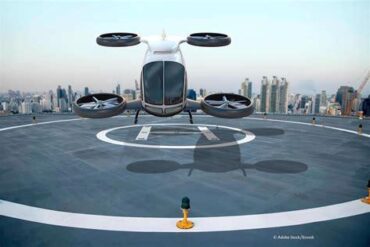
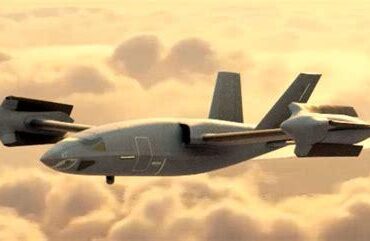
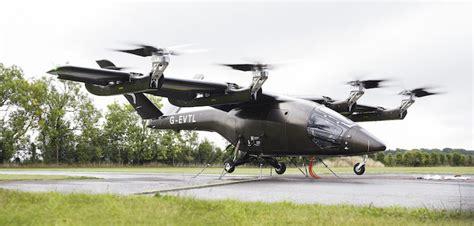
At the core of this expanded alliance lies the VX4, Vertical Aerospace’s pioneering aircraft designed to carry four passengers plus a pilot, offering zero operational emissions and a projected range of over 100 miles. The VX4, which has already garnered more than 1,500 pre-orders across four continents, aims to offer a new mode of urban and regional air travel that is quieter, cleaner, and more efficient than conventional rotorcraft.
Unlike many competitors in the eVTOL space, Vertical Aerospace is focusing on piloted aircraft for early certification, bypassing the steep regulatory and technological challenges of full autonomy in the initial deployment phase. This approach aligns with the strategy of building regulatory trust and real-world use cases before scaling to higher levels of automation.

Honeywell’s Role: Certifying Key Flight Systems for Global Use
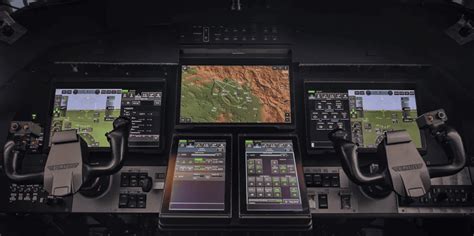
The renewed partnership zeroes in on certifying critical systems supplied by Honeywell, particularly the Honeywell Anthem Flight Deck and fly-by-wire flight control systems. These avionics and control platforms are central to the VX4’s operations, forming the digital nervous system of the aircraft. Certification of these technologies is not only essential for regulatory approval but also for the VX4’s exportability and global operability.
Honeywell’s pedigree in avionics and control systems, built on decades of experience with commercial and military aircraft, brings a significant boost to VX4’s credibility. The Honeywell Anthem system, specifically designed for next-gen aircraft, integrates advanced pilot interface design, automated diagnostics, and modular scalability — ideal for electric aviation platforms where weight, reliability, and efficiency are paramount.
This certification phase also represents a shift from prototype demonstration to industrialization and fleet readiness, indicating a maturity milestone for the VX4 program.
A Contract Worth $1 Billion: Scope and Strategic Significance
The expanded partnership with Honeywell is expected to reach $1 billion in contract value over the next ten years, a figure that reflects not just supply chain volume but also strategic investment in long-term technological integration, certification efforts, and support infrastructure.
The projected value suggests that Vertical Aerospace is preparing not just for early production but for global scale-up, anticipating thousands of flight hours, maintenance cycles, and system upgrades. Honeywell’s involvement at this depth brings enduring value, including aftermarket support, data analytics, and fleet-level optimization services that will be critical as the VX4 enters service.
VX4 Certification by 2028: The Regulatory Roadmap
The certification target for the VX4 is set for 2028, an ambitious but realistic timeline considering the complexity of eVTOL-specific regulations under development by the European Union Aviation Safety Agency (EASA) and Federal Aviation Administration (FAA). Achieving this milestone will require successful demonstration of the VX4’s systems in line with Part 23-level requirements or the emerging Special Conditions for eVTOL aircraft.
Key areas of compliance include:
- Flight control redundancy and reliability
- Battery safety and thermal runaway containment
- Emergency descent and glide performance
- Electromagnetic compatibility of avionics systems
The inclusion of Honeywell’s systems, already being evaluated in multiple certification programs globally, is likely to accelerate regulatory approvals, helping Vertical Aerospace reduce technical and compliance risk.
Production Outlook: 150 Units by 2030
The partnership is not purely about technology but also production readiness. Vertical Aerospace’s timeline aims to deliver 150 aircraft by 2030, with a ramp-up trajectory that will include pilot training programs, operational testing, and urban air mobility (UAM) integration projects in multiple regions.
These aircraft are expected to serve corporate shuttle services, short-haul commercial routes, and potentially emergency medical transport in metropolitan areas. With partners like American Airlines, Virgin Atlantic, and Avolon previously expressing interest, the VX4’s commercialization strategy is designed to be global from day one.

EVTL Stock Outlook: Challenges Beyond Technology
Despite the technological promise, Vertical Aerospace’s stock (EVTL) has been underperforming. Analysts from TipRanks, including its AI platform Spark, have issued a ‘Sell’ signal citing persistent financial instability. The company is currently operating at a significant loss, with negative equity and no substantial revenue to offset ongoing R&D and operational expenditures.
- Market Cap: $347.5 million
- Average Trading Volume: 246,510
- Technical Sentiment: Bearish
- Earnings Call Activity: None reported
This underscores the financial fragility common among pre-revenue aerospace startups and highlights the critical importance of execution and capital discipline over the coming years.
Strategic Vision Amid Industry Headwinds
While the broader eVTOL market faces challenges — ranging from investor fatigue to regulatory ambiguity and public skepticism — Vertical Aerospace is doubling down on aerospace-grade partnerships and a high-certifiability approach. The alliance with Honeywell exemplifies a business model where collaborative depth outweighs startup-style hype, aligning the VX4 program with traditional aviation standards rather than disruptive experimentation.
In doing so, Vertical Aerospace strengthens its position as one of the more serious contenders in a crowded field, differentiated by its focus on certification, piloted flight, and system reliability.

Conclusion: Building for the Long Term
The expanded partnership between Vertical Aerospace and Honeywell is more than a commercial agreement; it’s a strategic realignment that reinforces both firms’ commitment to delivering certified, scalable, and safe electric aviation solutions. With a ten-year outlook, a billion-dollar valuation, and defined certification milestones, this collaboration could very well serve as a blueprint for how the eVTOL industry matures — through regulatory alignment, aerospace discipline, and technology integration.
The road to 2028 is lined with technical trials, regulatory challenges, and financial hurdles. Yet with partners like Honeywell on board, Vertical Aerospace appears determined not just to fly, but to lead the next era of aviation.