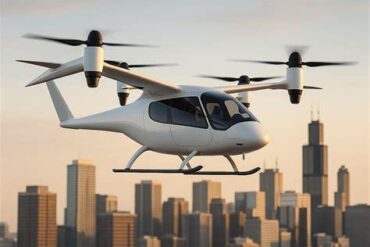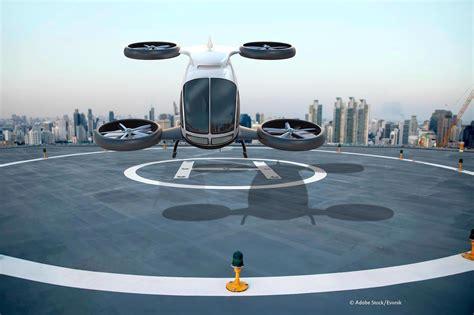
In recent years, urban transportation has undergone rapid transformation, with emerging technologies reshaping how we move across cities. One of the most exciting developments in this field is the introduction of Uber air taxis—an innovation set to redefine the way people travel. This concept, spearheaded by Joby Aviation, promises to offer a faster, quieter, and more sustainable alternative to traditional modes of transport, including cars and helicopters. Uber, alongside other major investors like Toyota and Delta Air Lines, is backing the development of electric eVTOLs (Electric Vertical Takeoff and Landing vehicles), with plans to launch commercial operations in New York City and Los Angeles by late 2025. This article delves into the details of these futuristic air taxis, their capabilities, and the transformative impact they could have on urban mobility.
The Rise of eVTOL Aircraft in Urban Transportation
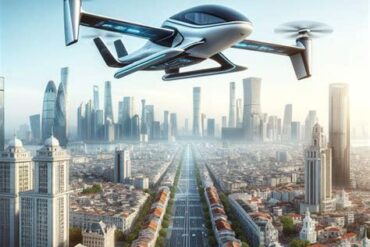
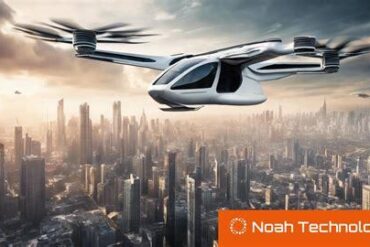
As cities around the world face mounting challenges related to congestion, pollution, and inefficiency, the Uber air taxi is emerging as a viable solution. The eVTOL aircraft, which combines the vertical takeoff capabilities of helicopters with the efficiency of airplanes, is designed to offer rapid air transport over crowded streets. Unlike traditional helicopters, eVTOLs promise a significantly quieter flight, making them more suitable for urban environments where noise pollution has been a longstanding issue.
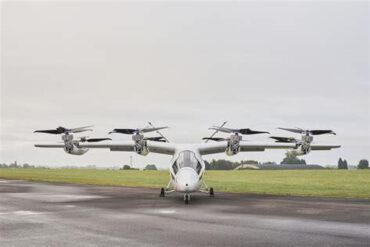
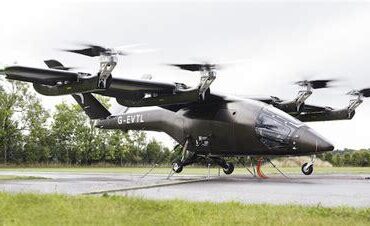
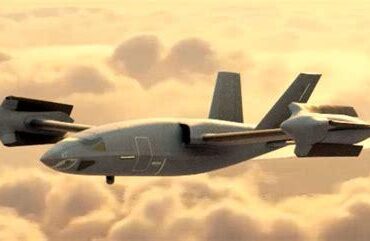
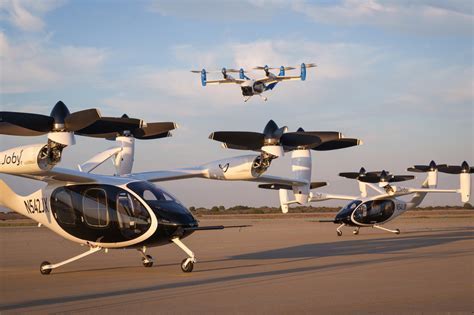
These electric aircraft are equipped with multiple tilting propellers, which allow them to take off and land vertically—similar to a helicopter—but transition into forward flight once airborne, like a conventional airplane. Joby Aviation’s eVTOL, for example, can reach speeds of up to 200 mph and travel distances of up to 100 miles on a single charge, significantly reducing travel time for commuters.
Joby Aviation’s Vision for the Future of Air Taxis
Joby Aviation, a leading innovator in the electric aviation sector, is positioning itself as the pioneer of the air taxi industry. With its eVTOL, Joby aims to provide a zero-emission, sustainable, and cost-effective alternative to ground-based transportation. The company’s eVTOL is capable of carrying up to four passengers plus luggage, making it an ideal solution for airport transfers and other short-distance urban journeys. Joby estimates that a flight between Manhattan and John F. Kennedy International Airport will take only seven minutes, a dramatic reduction from the hour-long drive time during peak traffic.
How the eVTOL Works
The eVTOL’s innovative design is powered by six adjustable propellers, which tilt to provide both vertical lift and horizontal thrust. These propellers can be individually adjusted for optimal performance, ensuring the aircraft remains stable and efficient during flight. In the event of a propeller failure, the system is designed to compensate, ensuring that the aircraft can still operate safely with a reduced number of propellers. This feature is crucial for the safety and reliability of air taxis, especially in urban environments.
One of the key advantages of Joby’s eVTOL is its noise reduction technology. In collaboration with NASA, Joby has conducted extensive research on the noise profile of its aircraft. The results are promising: the eVTOL generates only 45.2 decibels of noise during cruise flight, which is quieter than a household refrigerator. This significant reduction in noise makes the eVTOL far less disruptive than traditional helicopters, which are often criticized for their loud, invasive sounds in urban areas.
A Seamless Integration with Existing Infrastructure
The integration of Uber air taxis into city transportation networks is a critical factor for their success. Joby Aviation is working closely with local authorities and transportation agencies to develop vertiports—specialized landing zones for eVTOLs located in strategic parts of the city. These vertiports will be equipped with charging infrastructure to ensure the aircraft are ready for continuous operation.
Delta Air Lines, another key partner in this venture, is collaborating with Joby to create a seamless connection between their air taxi services and Delta’s regular flight network. For passengers, this means a smooth transition from a traditional commercial flight to an eVTOL, facilitating quick transfers from airports to city centers without the hassle of long taxi rides or crowded trains.
The Potential of Air Taxis in Reducing Traffic Congestion
Traffic congestion is a persistent issue in many major cities, and Uber air taxis present a clear solution to this problem. With the ability to fly above traffic, the eVTOL offers commuters a faster, more direct route to their destinations. The Joby eVTOL’s estimated flight time between Manhattan and JFK Airport is just seven minutes, compared to the 60 minutes or more it would take by car during rush hour. This significant reduction in travel time has the potential to make a real difference for residents and businesses alike.
The availability of air taxis could also help alleviate the burden on public transportation systems, which in many cities are often overcrowded, inefficient, or unreliable. By providing an alternative mode of transport, air taxis could help reduce the strain on existing infrastructure and make commuting more convenient for everyone.
The Cost of Uber Air Taxis: What to Expect
While the prospect of flying through the sky in a futuristic air taxi may sound appealing, many are wondering whether it will be affordable for the average commuter. Joby has indicated that its eVTOL rides will be priced similarly to Uber Black services, making them a more premium transportation option for those seeking speed and convenience. However, Joby plans to eventually lower the price as its fleet expands and the technology becomes more mainstream. In the early stages, passengers can expect to pay a premium for the ability to bypass city traffic and enjoy the convenience of air travel.
At launch, a ride in the eVTOL could cost up to $500 for a family of four traveling from downtown Manhattan to JFK Airport, compared to around $122 for an Uber X ride. While this price point may seem steep for some, business travelers and high-net-worth individuals may find the service appealing due to the time savings and convenience it offers.
The Future of Air Taxi Pricing
As the technology matures and demand for eVTOL services grows, Joby expects that prices will gradually decrease. Eventually, the cost of an eVTOL ride could become comparable to Uber XL or even Uber X fares. However, this shift will likely take several years as Joby works to scale its operations and improve the cost-efficiency of its aircraft.
The Competition: A Growing Market for Air Taxis
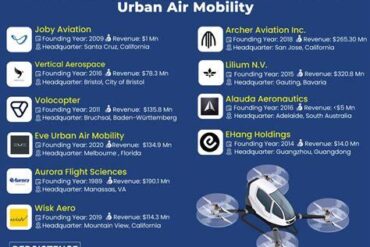
Joby Aviation is not the only company vying to revolutionize urban air mobility. Other firms, such as Archer Aviation and Vertical Aerospace, are developing their own eVTOL prototypes, with plans to enter the market in the coming years. Archer Aviation’s Midnight model, for example, has garnered attention from United Airlines, which has placed an order for $1 billion worth of electric air taxis.
Internationally, companies like Embraer and Eve Air Mobility are also making strides in the air taxi space, with major airline partnerships already in place. As the air taxi market becomes more competitive, companies will need to differentiate themselves with superior technology, customer experience, and pricing models. However, Joby’s early lead, strategic partnerships, and commitment to sustainability position it as a strong contender in this emerging market.
Conclusion: The Future of Urban Mobility is in the Sky
The Uber air taxi represents a bold step forward in urban transportation, offering the potential to drastically reduce travel times, ease congestion, and provide a more sustainable alternative to traditional ground-based transport. While challenges related to cost, infrastructure, and regulatory approval remain, the advancements made by Joby Aviation and its partners suggest that air taxis are poised to become an integral part of the transportation landscape in the near future. With backing from major players like Toyota, Delta, and Uber, the dream of flying taxis may soon become a reality for city dwellers, offering a faster and more efficient way to travel above the gridlocked streets below.