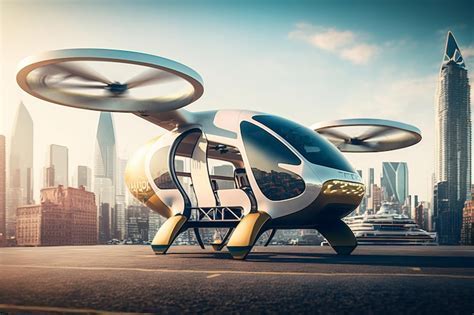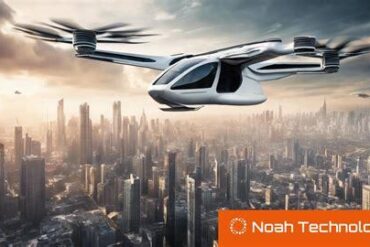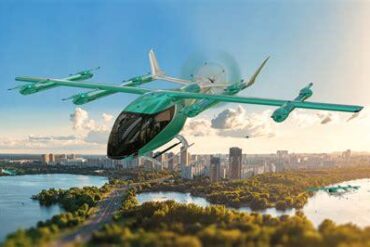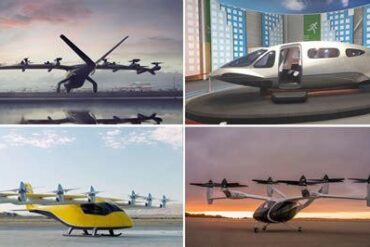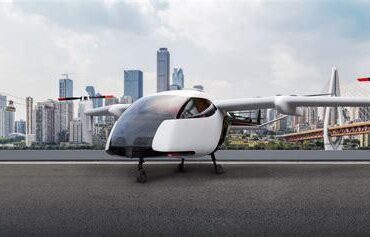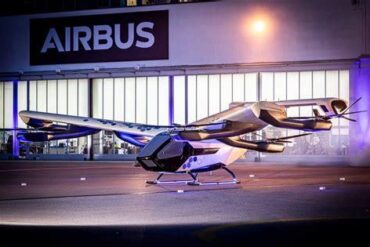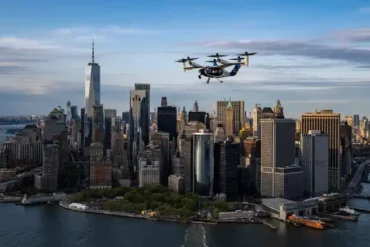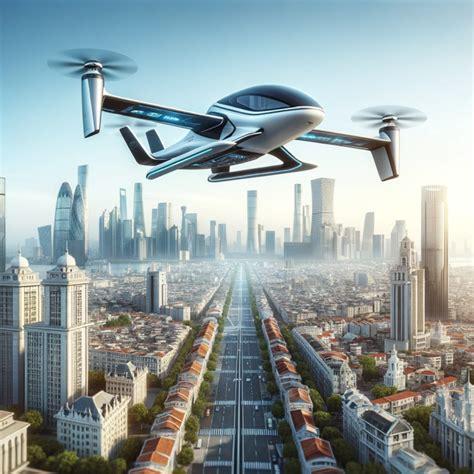
The rise of urban air mobility has been one of the most exciting innovations in modern transportation, and Uber Aircraft, a key player in this emerging field, is making significant strides. At the heart of Uber’s ambitions is the Uber Elevate program, which aims to bring electric vertical takeoff and landing (eVTOL) aircraft to the skies, creating a new, sustainable, and efficient method of transportation in urban areas. This article delves into the key aspects of Uber’s aircraft project, from its collaborations with aerospace giants to the technological advancements and future vision that could transform the way we commute.
Uber Elevate: The Future of Urban Air Mobility
Uber Elevate is not just about developing new aircraft; it’s about rethinking urban transportation itself. The overarching goal is to create a city-wide air transportation network that connects commuters quickly and efficiently. Traditional ground transportation, particularly in heavily congested cities, has its limitations, and Uber believes that the skies are the solution. The electric aircraft designed under this initiative will not only alleviate traffic but also introduce a more sustainable form of urban transit.
Collaborations with Industry Leaders
Uber has teamed up with several leading aerospace manufacturers and tech companies to develop its eVTOL aircraft. These collaborations are crucial in bringing the project to life, given the complexities involved in designing and producing aircraft that can meet the demands of urban air travel.
- Embraer, the Brazilian aerospace company, is a critical partner, bringing its expertise in commercial aircraft design to the project. Their focus is on creating a versatile eVTOL that aligns with the unique requirements of city-based air mobility.
- Aurora Flight Sciences, a subsidiary of Boeing, specializes in autonomous flight technology and has already demonstrated its capabilities with military helicopters controlled by tablets. This expertise will be essential for developing the autonomous systems needed for Uber’s aircraft.
- Bell, a name synonymous with vertical takeoff and landing technology, is contributing its experience in rotorcraft to Uber’s designs. The company has developed several hybrid aircraft concepts that combine the features of helicopters and fixed-wing planes, which will play a role in the future of urban air mobility.
- Pipistrel, a Slovenian company known for its electric aircraft, is contributing designs focused on long-range, low-noise eVTOLs that are ideal for city environments.
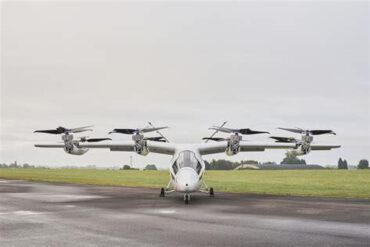
- Karem Aircraft, an innovator in drone and eVTOL technology, has introduced a distinctive “butterfly” design, which emphasizes quiet operation and efficient propulsion through large, efficient propellers.
Each of these companies brings specialized knowledge to the table, and together, they form a powerful team capable of addressing the challenges of urban air mobility.
Technical Specifications: The Future of Sustainable Air Travel
One of the most significant challenges in developing eVTOL aircraft is ensuring that they are not only efficient but also environmentally friendly and economically viable for mass adoption. Uber’s aircraft are designed with these principles in mind, and several key technical specifications make them stand out:
- Electric propulsion: Uber’s aircraft will be fully electric, ensuring zero emissions and contributing to cleaner urban environments.
- Vertical takeoff and landing (VTOL): These aircraft will have the ability to take off and land vertically, which eliminates the need for large runways and allows them to operate in compact spaces such as rooftops or parking garages.
- Range and speed: The aircraft will be able to travel up to 97 kilometers on a single charge, with a maximum speed of 320 kilometers per hour. This performance is expected to make urban air mobility a practical option for daily commuters.
- Noise reduction: One of the significant challenges for eVTOLs is noise pollution, especially in densely populated areas. Uber’s aircraft are designed to be much quieter than traditional helicopters, with noise levels at just half that of a conventional helicopter.
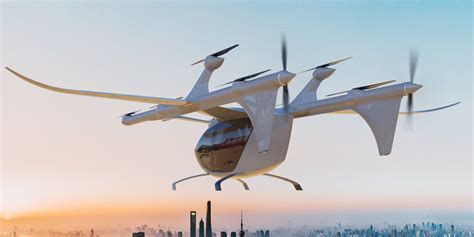
Progress and Timeline: When Will Uber Aircraft Take Off?
While Uber’s aircraft may seem like something out of a sci-fi movie, the company is actively working toward making this vision a reality. The timeline for the Uber Elevate program has been ambitious, with several key milestones already achieved and others just around the corner.
- 2020: Uber originally planned to launch its eVTOL testing in Dubai and Dallas. However, technological challenges and regulatory hurdles delayed the project. Despite these setbacks, the company made significant progress in refining its aircraft and testing systems.
- 2023: The current goal is to launch the first commercial flights under the UberAIR banner. Initially, these flights will be piloted, but as technology advances, the goal is to transition to fully autonomous flights, reducing the need for human pilots.
- 2028: Uber envisions a full-scale operational network in place by the time of the 2028 Los Angeles Olympics, with the potential to integrate hundreds of eVTOLs into urban airspace.
This ambitious timeline demonstrates Uber’s commitment to making eVTOLs a mainstream mode of transportation. However, numerous technical and regulatory challenges remain, which could affect these timelines.
Infrastructure: Building Skyports for the Future
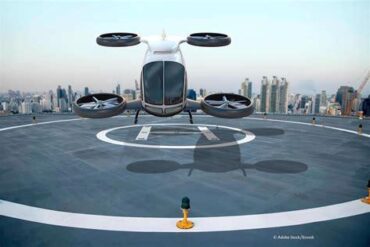
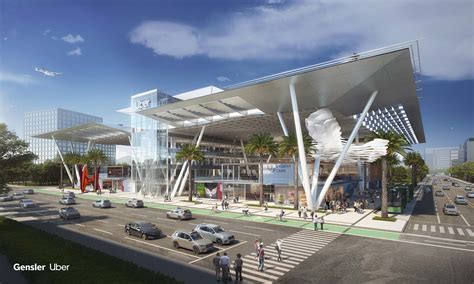
Creating a new mode of transportation requires new infrastructure, and Uber is investing in building specialized Skyports. These vertical takeoff and landing stations will be strategically placed throughout urban areas, allowing passengers to quickly hop on an eVTOL aircraft and take off for their destination.
Uber is collaborating with real estate developers to build these Skyports, which will handle up to 200 takeoffs and landings per hour. By integrating the Skyports with the Uber app, passengers will be able to easily hail an aircraft, much like they would a regular Uber ride. This integration will streamline the user experience and ensure that Uber Aircraft becomes as easy to use as the company’s existing ground-based services.
- Pricing and affordability: Initially, the cost of flying in an Uber Aircraft is expected to be similar to Uber Black, the company’s premium ride service. Over time, however, the goal is to bring down costs to the level of an UberX ride, making urban air mobility accessible to a broader audience.
Challenges and Solutions
Developing a new mode of transportation is not without its challenges, and Uber’s aircraft program is no exception. The company has faced and continues to face several obstacles as it works toward bringing eVTOLs to market.
- Battery technology: One of the biggest technological barriers to the widespread adoption of eVTOL aircraft is the limited energy density of current battery technology. While electric cars have made significant progress, the demands of aviation require even more powerful and efficient batteries. Uber has hired Celina Mikolajczak, a former Tesla battery expert, to lead the efforts in improving battery technology for eVTOLs.
- Autonomous flight systems: Another significant challenge is developing safe and reliable autonomous flight systems. Uber has partnered with NASA to create an air traffic management system that can handle low-altitude flights in urban environments, ensuring the safety and efficiency of autonomous aircraft.
- Regulatory approval: All eVTOLs must pass rigorous FAA certification processes, including flight safety standards, noise reduction regulations, and design validation. Uber is working closely with the Federal Aviation Administration to meet these requirements, ensuring that its aircraft are safe for public use.
A Vision for the Future
Uber’s Elevate program is not just about revolutionizing urban transportation; it is about reshaping entire cities. The company envisions that, as eVTOLs become commonplace, city spaces will evolve, with rooftops and other underutilized areas being transformed into bustling Skyports.
Through its shared mobility model, Uber aims to make urban air travel an affordable and sustainable option, ultimately relieving ground traffic congestion and reducing the environmental impact of traditional vehicles.
While there are still several challenges to overcome—technological, regulatory, and societal—the vision for Uber Aircraft is clear: to create a new paradigm of urban mobility where air taxis are as ubiquitous as their ground-based counterparts. The next few years will be critical in determining whether Uber’s bold vision becomes a reality or remains a dream of the future.