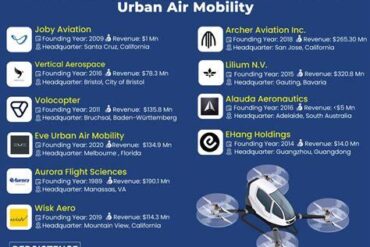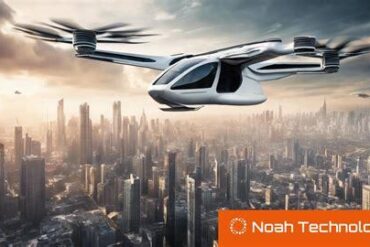
Electric vertical takeoff and landing aircraft, or eVTOLs, are poised to redefine urban air mobility across the globe, and at the 2025 Paris Air Show, Embraer wasted no time in seizing the spotlight. Through its advanced air mobility subsidiary, Eve Air Mobility, the Brazilian aerospace leader became the first company at the show to confirm a major commercial agreement — a $250 million sale of 50 eVTOL aircraft to São Paulo-based operator Revo, a division of Omni Helicopters International SA (OHI).
This agreement not only marks a significant commercial triumph but underscores a growing trust in Eve’s technology and a broader commitment to sustainable aviation. As global interest in eVTOL technology intensifies, this move sets a strong precedent and signals a rapidly approaching paradigm shift in how people move through and between cities.
Eve Air Mobility and the $250 Million Agreement With Revo
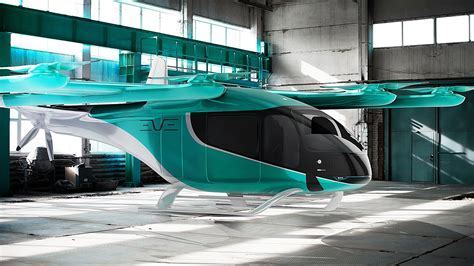
Announced on June 15, 2025, the deal between Eve Air Mobility and Revo is more than just a sale — it’s a framework agreement encompassing aircraft acquisition and extensive aftermarket support, a clear indicator that Eve is not just selling hardware but also building a full-scale mobility ecosystem.
Revo’s acquisition of 50 eVTOLs is backed by OHI, a well-established name in helicopter operations across Latin America. The $250 million contract also bundles Eve’s TechCare program, a comprehensive maintenance and operational support system that reflects Eve’s long-term service vision. Deliveries are slated to begin in Q4 2027, with São Paulo, one of the world’s most congested metropolises, becoming the first test bed for mass eVTOL operations.
According to Johann Bordais, CEO of Eve Air Mobility:
“This binding agreement with Revo and OHI is a pivotal step for Eve, demonstrating growing market confidence in our technology and operational model. By moving from concept to implementation, we are not only advancing our commercial roadmap but also helping to shape a robust and sustainable UAM ecosystem.”
This commitment validates Eve’s standing in the market and affirms Embraer’s growing ambition to dominate the next generation of air transportation.
Why Revo Chose Eve: More Than Just Aircraft
Revo’s decision to select Eve Air Mobility as its eVTOL partner was not taken lightly. The choice reflects a combination of technical excellence, operational flexibility, and brand confidence fueled by Embraer’s long-standing aviation pedigree.
At the core of this partnership is Eve’s fully electric aircraft, designed to enable quick urban hops and sustainable commutes across short to medium ranges. The aircraft promises zero-emission flights, near-silent operation, and a design tailored for high-frequency, short-haul service in urban airspace.

São Paulo — Revo’s home city — already has one of the busiest helicopter networks globally, with over 2,000 daily movements. The city’s existing vertical infrastructure provides an ideal launchpad for Eve’s scalable air mobility solution. Revo’s vision involves replacing much of its existing helicopter fleet with electric aircraft, drastically reducing both carbon emissions and noise pollution.
For instance, Revo currently operates routes between Zona Sul and São Paulo International Airport (GRU), journeys that take up to 3 hours by car. With Eve’s eVTOLs, these trips could be cut down to a mere ten-minute flight, transforming time-sensitive travel and elevating customer convenience.
Inside Eve’s Aircraft: The Technology That Powers Tomorrow
Eve Air Mobility’s aircraft are being meticulously engineered for urban and regional air transport, with a focus on safety, simplicity, and sustainability. Designed to carry up to four passengers, Eve’s eVTOL platform utilizes a fixed-wing layout combined with multiple vertical rotors, optimized for lift, efficiency, and redundancy.
Key features include:
- Fully electric propulsion with zero operational emissions
- Distributed electric propulsion for improved safety margins
- Fixed-wing for horizontal efficiency during cruise
- Vertical rotors enabling smooth takeoff and landing from urban helipads
- Compatibility with existing urban vertiport infrastructure
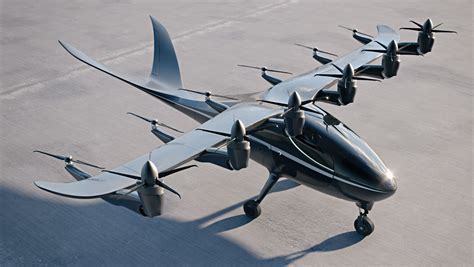
These design decisions reflect Eve’s commitment to building aircraft that are not only efficient but also affordable to operate and maintain. With the inclusion of Eve’s TechCare services, operators like Revo can access fleet performance analytics, predictive maintenance, and training programs tailored to urban eVTOL operations.
Strategic Importance for Embraer and Urban Air Mobility
This contract is about more than just business. It is a strategic move by Embraer to reinforce its leadership in the emerging Advanced Air Mobility (AAM) sector. Eve’s success is inextricably linked to Embraer’s global aerospace footprint, engineering heritage, and ability to deliver reliable aircraft at scale.
By securing the first eVTOL order of the Paris Air Show 2025, Embraer has also managed to:
- Position Eve Air Mobility as a first-mover in the commercial eVTOL race
- Attract further investor confidence in Eve’s roadmap and market readiness
- Elevate Brazil’s global reputation as a tech-forward aerospace innovator
More importantly, the Revo deal provides proof that eVTOL isn’t merely a concept for the future — it is rapidly becoming a commercial reality with immediate urban application. With cities worldwide grappling with road congestion, emissions, and outdated transport systems, the need for efficient air mobility solutions is more urgent than ever.
Competitive Landscape: Eve vs. Archer and Joby
Eve Air Mobility is not without competition. Companies like Archer Aviation and Joby Aviation are racing toward FAA certification and commercial service launches in the United States. However, Eve’s strategy differs by leveraging Embraer’s expertise, focusing on international markets, and embedding deep into aftermarket support ecosystems from the start.
Eve’s advantage also lies in its modular design philosophy, which aims to simplify certification and production. Additionally, by establishing partnerships in emerging markets such as Brazil, Eve is positioning itself to scale faster with lower regulatory barriers and readily available urban airspace corridors.
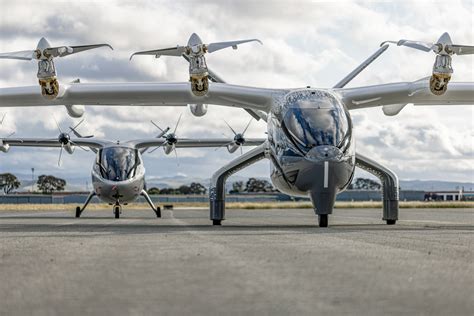
Where Joby and Archer target highly competitive U.S. metropolitan areas like Los Angeles and New York, Eve is cultivating early adoption in cities like São Paulo, where aerial mobility is already integrated into the urban fabric. This opens up a first-mover advantage that could prove decisive in global market leadership.
What Comes Next: 2027 and Beyond
With the first deliveries scheduled for late 2027, Eve Air Mobility has a narrow window to complete certification, scale production capabilities, and refine operations. The company’s roadmap now hinges on regulatory green lights, infrastructure buildout, and the performance of the initial eVTOL fleet once deployed.
Should the São Paulo launch succeed, the Revo operation could act as a proof-of-concept for other cities worldwide, validating Eve’s platform and encouraging additional orders. It also places added pressure on Eve to meet its technical promises, especially as the market grows more crowded.
At the same time, Embraer will need to manage investor expectations, monitor public reception to urban air taxis, and potentially expand manufacturing capacity. Eve’s current production targets are modest, but high demand could quickly necessitate rapid scaling.
Conclusion: A Global Benchmark in Urban Air Mobility
Embraer and Eve Air Mobility’s milestone deal with Revo marks a watershed moment in aviation history. As the first major order of the 2025 Paris Air Show and the most significant eVTOL contract to date, the agreement showcases what’s possible when legacy aerospace expertise meets next-gen innovation.
If Eve succeeds, São Paulo’s skies could soon be filled with quiet, efficient, electric aircraft reshaping the daily commute. For Embraer, the $250 million sale is more than just revenue — it’s a validation of years of R&D, a leap into the future, and a call to action for cities worldwide to reimagine urban transport.
With every rotor spin of Eve’s eVTOLs, the vision of cleaner, faster, smarter mobility inches closer to reality.