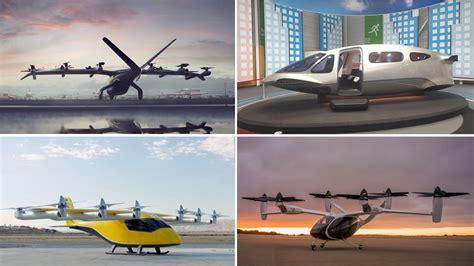
Electric air taxis have moved from futuristic concept art into the final stages of aircraft development, but the question remains: are electric air taxis actually ready for passengers in 2026? After years of ambitious announcements, companies such as Joby Aviation and Archer Aviation are approaching the most important milestone yet: turning experimental eVTOL aircraft into certified commercial passenger vehicles.
The idea behind electric air taxis is simple. Instead of sitting in traffic between a city center and an airport, passengers could travel through the air in a quiet, battery-powered aircraft capable of vertical takeoff and landing. These vehicles are designed to fill a gap between traditional ground transportation and expensive helicopter services.
However, bringing this vision to reality requires far more than building an aircraft that can fly. Certification, charging infrastructure, passenger safety, public acceptance, and operational networks all need to develop at the same time. While 2026 may become a historic year for urban air mobility, it is unlikely to be the year when electric air taxis suddenly become a common sight above major cities.
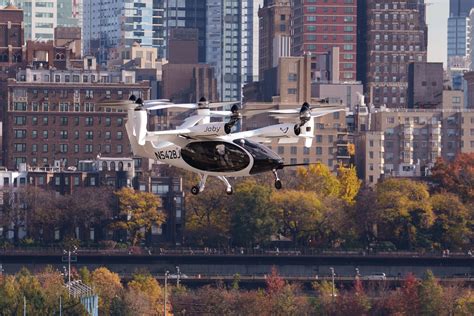
The companies closest to making this happen are Joby Aviation and Archer Aviation. Both manufacturers have spent years developing aircraft that combine helicopter-like vertical flight with airplane-style efficiency. Both are also progressing through the demanding FAA type certification process, which remains the biggest barrier between prototypes and passenger operations.
Certification is not simply about proving that an aircraft can fly. Regulators must evaluate every part of the aircraft, including flight controls, battery systems, electric motors, structural strength, emergency procedures, and pilot operations. Even after completing certification, companies must still create reliable commercial networks capable of safely transporting passengers every day.
Joby Aviation S4 Could Become The First Passenger Electric Air Taxi
Among eVTOL developers, Joby Aviation is widely considered one of the companies closest to commercial service. Its aircraft, known as the Joby S4, has become one of the most advanced electric air taxi designs currently under development.
The S4 is a five-seat aircraft designed for a single pilot and four passengers. Unlike a conventional helicopter, it uses six electric motors connected to tilting propellers. During takeoff and landing, the propellers provide vertical lift. Once airborne, they rotate forward to create efficient cruise flight.
The aircraft is expected to achieve a maximum speed of approximately 173 knots and a range of up to 130 nautical miles (241 kilometers) on a single battery charge. For the intended mission of short urban flights, especially city-center-to-airport routes, this performance is considered sufficient.
Joby estimates that the aircraft will carry a payload of around 1,000 pounds (453 kilograms), allowing four passengers to bring luggage. The company also highlights one of the biggest advantages of electric propulsion: dramatically reduced noise compared with helicopters.
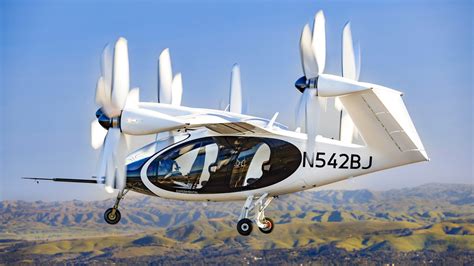
The company has built a strong industrial and commercial network to support its launch. Toyota has partnered with Joby on manufacturing expertise, while Delta Air Lines invested in the company in 2022. Joby also acquired Uber’s Elevate air taxi division and purchased Blade Air Mobility’s passenger transportation business, giving it access to operational experience and potential passenger networks.
Current expectations suggest that the Joby S4 could enter passenger service in late 2026 or 2027, depending on certification progress and infrastructure readiness.
Archer Midnight Targets Short Urban Flights
The second major competitor is Archer Aviation, which is developing the Midnight eVTOL aircraft. Like Joby’s S4, Midnight is designed around the idea of replacing short helicopter trips with a quieter and potentially more affordable electric aircraft.
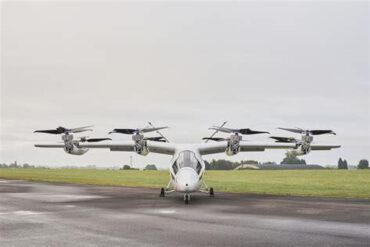
The Midnight also carries five people, including one pilot and four passengers. Its design, however, takes a different approach. Instead of tilting propellers, the aircraft uses 12 electric motors with separate propulsion systems for vertical takeoff and forward flight.
Six propellers are dedicated to vertical lift, while six others provide forward movement. This simpler mechanical approach may offer operational advantages, but it also increases weight and reduces performance compared with Joby’s aircraft.
The Midnight is expected to have a range of approximately 87 nautical miles (161 kilometers) and a top speed of around 130 knots. While these figures are lower than the Joby S4, Archer argues that most air taxi missions will involve relatively short flights where range is less important than quick turnaround times.
One major advantage Archer promotes is rapid charging capability. The company claims the Midnight can be recharged in approximately ten minutes under suitable conditions, which could help operators maintain frequent flights throughout the day.
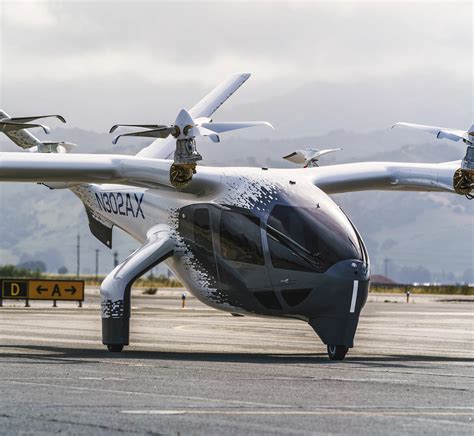
Archer has attracted major industry partners, including United Airlines, which has announced plans to purchase aircraft, and Stellantis, which supports manufacturing development. The company is also exploring international opportunities, particularly in the Middle East.
Both Joby and Archer have similar goals, but their business strategies differ. Joby is focused on creating a complete air taxi ecosystem, including aircraft operations and passenger services. Archer is closer to a traditional aircraft manufacturer model, producing aircraft while working with airlines and other operators.
Certification Is The Biggest Challenge For Electric Air Taxis
The most important question facing electric air taxis is not whether the technology works. Both Joby and Archer have already demonstrated successful flight tests. The challenge is proving that these aircraft can operate safely and reliably in commercial passenger service.
The FAA certification process is extremely demanding because eVTOL aircraft represent a new category of aviation. Regulators must determine how existing aviation standards apply to aircraft that combine characteristics of helicopters, airplanes, and electric vehicles.
Battery technology creates additional challenges. Aviation requires extremely high reliability because aircraft operate in environments where failures can have serious consequences. Manufacturers must demonstrate that batteries can withstand extreme temperatures, repeated charging cycles, and emergency situations.
Pilot training is another important factor. Although these aircraft are simpler mechanically than helicopters, pilots will need specialized training to operate electric propulsion systems and advanced flight controls.
A certified aircraft is only one piece of the puzzle. A successful air taxi service requires a complete ecosystem.
The Missing Piece: Electric Air Taxi Infrastructure
Even if Joby and Archer receive certification in 2026, passengers may still have limited access because cities need new infrastructure. Electric air taxis cannot simply appear overnight because they require specially designed facilities called vertiports.
Traditional helicopter landing sites are not automatically suitable. Electric aircraft require high-capacity charging systems, battery management equipment, and specialized safety measures.
Battery fires behave differently from traditional aircraft fuel fires, meaning vertiports need different emergency systems. They also require new operating procedures, markings, and power infrastructure.
Currently, the United States has very limited operational vertiport infrastructure. Several cities have announced plans, but large-scale construction has not yet matched the speed of aircraft development.
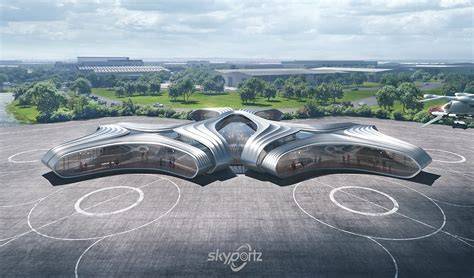
Urban space is another major obstacle. The biggest market for air taxis is expected to be large cities where traffic congestion is severe. However, cities such as New York and Los Angeles have limited available land, especially near downtown areas where passengers would benefit most.
Noise is also a concern. Electric air taxis will be significantly quieter than helicopters, but they will not be completely silent. Communities may still oppose frequent aircraft operations above residential areas.
Will Electric Air Taxis Replace Helicopters In 2026?
Electric air taxis are often described as a replacement for helicopters, but the reality will likely be more limited at first. Helicopter air taxi services already exist, but they remain expensive and are mainly used by wealthy travelers or business customers.
Electric aircraft could reduce operating costs because electric motors require less maintenance than traditional turbine engines. However, the aircraft themselves will still be expensive, and infrastructure investments will add additional costs.
The first passengers are unlikely to be everyday commuters. Early operations will probably focus on premium routes such as airport transfers, business transportation, and special events.
For example, Joby plans to launch operations in Dubai through an agreement with the Dubai Roads and Transport Authority. The company also hopes to expand into cities such as New York and Los Angeles.
Archer is targeting international operations as well, including planned services in Abu Dhabi. The company has also been selected as the official air taxi provider for the 2028 Los Angeles Olympic and Paralympic Games, creating a high-profile opportunity to demonstrate the technology.
Electric Air Taxis Could Transform Aviation Beyond Passenger Flights
Although passenger transportation receives most attention, electric air taxis may eventually serve other industries. Both Joby and Archer are exploring military applications, including cargo transportation and autonomous missions.
The US military has shown interest in eVTOL technology because these aircraft could provide flexible transportation without requiring traditional runways. Their quiet operation could also provide advantages for certain missions.
Joby is working with L3Harris on military technology, while Archer is developing advanced VTOL concepts with Anduril. These partnerships demonstrate that eVTOL technology may have uses beyond urban passenger travel.
The commercial success of electric air taxis could also influence future aviation development. Battery-powered aircraft are currently limited by energy density, making large commercial airliners unrealistic. However, short-range aircraft are an ideal testing ground for electric propulsion.
Are Electric Air Taxis Really Ready For Passengers In 2026?
The answer is both yes and no. Electric air taxis are closer to reality than ever before, and companies like Joby Aviation and Archer Aviation may begin limited passenger operations around 2026 or 2027.
However, 2026 will not mark the arrival of a fully developed flying taxi network. The aircraft may be ready before the cities, infrastructure, and operating systems needed to support them.
The first electric air taxi passengers will likely experience something closer to a premium aviation service rather than a replacement for taxis or public transportation. Flights will probably connect airports, business districts, and major events rather than serve everyday travel needs.
Still, the importance of 2026 should not be underestimated. The introduction of certified electric air taxis would represent one of the biggest changes in aviation since the rise of commercial helicopters.
The technology is not yet ready to transform urban transportation overnight, but it is finally approaching the point where passengers may step aboard an electric aircraft and experience the beginning of a new aviation era.