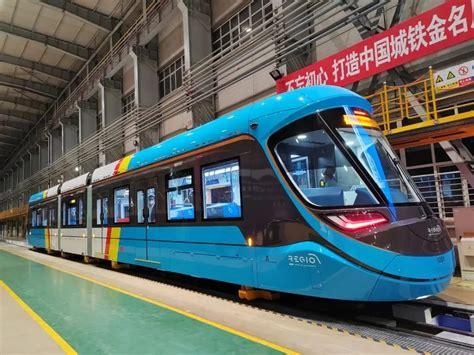
Colombia has embarked on an ambitious journey with the construction of the Regiotram de Occidente, a transformative electric rail line project valued at $650 million. This groundbreaking initiative aims to revolutionize transportation between Bogotá and the surrounding municipalities of Cundinamarca, marking a significant leap towards modernizing the nation’s transport infrastructure. By introducing the first fully electric train service in Colombia, the Regiotram is set to enhance mobility, alleviate congestion, and provide sustainable travel alternatives for residents in the capital region.
The Regiotram de Occidente will span an impressive 39.5 kilometers and is projected to accommodate 130,000 passengers daily upon its completion. This infrastructure project not only promises improved travel times but also offers an eco-friendly solution, as the trains will be powered entirely by electricity, significantly reducing reliance on fossil fuels and cutting down emissions. With a vision to serve approximately 40 million passengers annually, the Regiotram is poised to become a vital component of Bogotá’s public transport system.
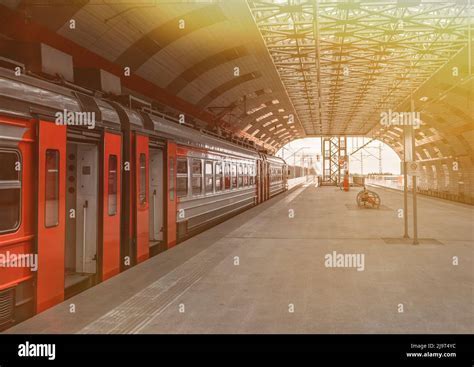
Key Features of the Regiotram de Occidente
The Regiotram will consist of two rail lines and a total of 17 stations, strategically designed to connect key areas. The first phase of the project will establish a link between Facatativá and Fontibón in Bogotá. The second phase is set to extend this rail line directly into the heart of downtown Bogotá by 2029. Once operational, 16 electric trains will traverse the route, offering commuters a cleaner and more efficient means of travel.
This state-of-the-art rail system is not merely about speed; it represents a comprehensive approach to urban mobility. The trains are designed to provide a comfortable commuting experience, equipped with modern amenities and built to ensure punctuality and reliability. As urban centers grapple with increasing traffic congestion, the Regiotram emerges as a beacon of hope for sustainable transport solutions.
A Strong Partnership and Swift Construction
The construction of the Regiotram de Occidente is spearheaded by the Chinese consortium Civil Engineering Construction (CECC), which has committed to delivering this essential infrastructure promptly. Backed by both the central government and local authorities, CECC has already commenced initial works, including removing outdated rails, preparing platforms, demolishing obsolete bridges, and enhancing drainage systems along the route. Governor Jorge Emilio Rey of Cundinamarca has been instrumental in driving this project forward, highlighting that specialized machinery from China is already en route to facilitate the construction process. With work on an elevated station expected to commence by July, the momentum behind the Regiotram is palpable.
A Government-Backed Initiative
This monumental infrastructure project represents a collaborative effort between the central government and the Cundinamarca local administration, with the central government contributing 70% of the funding and Cundinamarca covering the remaining 30%. This substantial investment underscores Colombia’s commitment to enhancing the quality of life for its citizens through improved public transportation options. By linking major municipalities in Cundinamarca with Bogotá, the Regiotram de Occidente will play a crucial role in alleviating traffic congestion and reducing commuting times while simultaneously creating thousands of jobs during its construction phase.
As the project progresses, it is anticipated to be a game-changer for the region’s economic and environmental future. The availability of reliable and efficient public transport options will undoubtedly stimulate local economies, paving the way for growth and development in these areas.
Future Benefits for Colombia’s Urban Mobility
Upon completion, the Regiotram de Occidente will offer a fast, reliable, and sustainable travel option that connects Bogotá with its neighboring municipalities. This electric rail system will provide a much-needed alternative to traditional cars and buses, making commuting not only more efficient but also significantly more eco-friendly. As part of Colombia’s broader initiative to modernize its transport infrastructure, the Regiotram signifies a focused commitment to sustainable development and the reduction of the environmental impact of transportation networks.
With its cutting-edge electric trains and extensive planning, the Regiotram de Occidente is set to become a cornerstone of Bogotá’s future transport landscape. It will ease the burden of traffic woes while providing residents with an affordable and sustainable means to navigate the region. This pivotal development is indicative of a shift towards a greener, more integrated urban mobility framework.
What’s Next for the Regiotram de Occidente Project?
The Regiotram de Occidente will progress through several phases of construction, with the initial stretch of the rail line expected to be operational by the end of 2027. As construction advances, anticipation builds among authorities and residents alike for the full rail system’s completion by 2029. By that time, the Regiotram will play an essential role in enhancing mobility across Cundinamarca and Bogotá, offering a greener, faster, and more efficient travel option for hundreds of thousands of people.
In conclusion, with its innovative electric trains, improved infrastructure, and a clear vision for the future, Colombia is poised to experience a transportation revolution. The Regiotram de Occidente will not only reshape how citizens commute but will also transform the nation’s approach to urban mobility, fostering a sustainable future for generations to come.