The Convenience of Contactless Payments
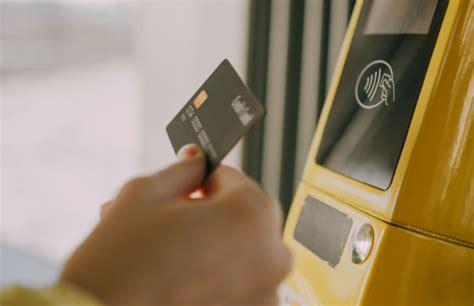
This innovative move towards open-loop payment systems is not just a technological advancement; it represents the Philippines’ commitment to modernizing its public transportation infrastructure. By allowing riders to use their existing bank cards or mobile wallets for transit fares, the process becomes significantly faster and more user-friendly. Commuters can now navigate the bustling transport system of Metro Manila with ease, promoting a seamless travel experience.
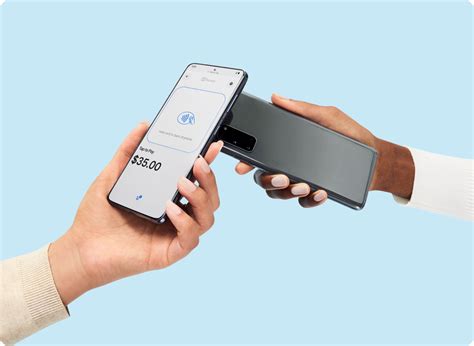
Passengers who own NFC-enabled Android smartphones that support e-wallet applications can also partake in this advancement. This feature allows users to simply tap their smartphones at the turnstiles, enhancing the overall convenience of public transport. With this transition, the government aims to encourage the adoption of digital payments in daily life, making cashless transactions the norm rather than the exception.
Security Features: A Top Priority
One of the primary concerns regarding digital payments is security. Mastercard addresses these concerns head-on by integrating advanced safety features within their contactless payment systems. These security protocols are designed to protect users from payment fraud, including potential threats like card skimming. This added layer of protection ensures that commuters can travel with confidence, knowing that their transactions are secure.
As digital payments become increasingly prevalent, the ability to complete transactions quickly and securely reduces wait times at turnstiles and ticket machines. In a city where time is of the essence, such efficiencies can significantly enhance the commuting experience.
The Growing Trend of Open-Loop Payment Systems
The shift towards open-loop payment systems is not unique to the Philippines; it is part of a broader trend across Southeast Asia. Countries in the region are increasingly adopting these systems, which allow passengers to pay for their transit fares using existing financial instruments rather than requiring specialized travel cards. This movement is fostered through collaboration among government agencies, transit operators, financial institutions, and technology providers like Mastercard.
Mastercard’s commitment to enhancing urban mobility is evident in its successful implementations of open-loop systems in major cities around the world, including London, Sydney, and Singapore. By leveraging its global expertise, Mastercard is dedicated to transforming the public transport landscape in Metro Manila, ensuring it meets the needs of its growing population.
Metro Manila: A City in Need of Efficient Transportation
Home to over 13.4 million residents, Metro Manila is a vibrant urban center where many individuals rely heavily on public transport to access jobs, education, and recreational activities. The introduction of contactless payments on MRT-3 aligns with the Philippine government’s goal of promoting smarter, more efficient urban mobility solutions. Furthermore, it encourages the widespread adoption of digital payment methods, which are becoming increasingly essential in our fast-paced world.
With the integration of contactless payment systems, the government is not only enhancing the commuting experience but also supporting its agenda of creating a more technologically advanced society. This initiative is expected to play a critical role in easing congestion and improving the quality of life for Metro Manila’s residents.
A Major Milestone in Urban Mobility
The launch of Mastercard’s contactless payment solution on MRT-3 marks a pivotal moment in the journey toward a more integrated and efficient public transportation system in the Philippines. By enabling commuters to pay swiftly with a simple tap of their Mastercard cards or compatible devices, this innovation promises to streamline daily commutes, eliminate the hassle of cash transactions, and promote a cash-free lifestyle.
As Metro Manila embraces this shift towards smart urban mobility, it stands to benefit from the increased efficiency and security that digital payments provide. The collaboration between Mastercard and local authorities is a testament to the potential of technology in reshaping urban transport dynamics.
Looking Ahead: The Future of Urban Transport in the Philippines
The deployment of Mastercard’s contactless payment technology is just the beginning. As the Philippines continues to evolve its urban infrastructure, there will be opportunities for further advancements in public transportation systems. The ongoing trend towards open-loop payments indicates that the future of urban mobility is bright, promising a more connected and accessible environment for all commuters.
In conclusion, as Metro Manila steps into a new era of public transportation with the introduction of contactless payments on MRT-3, it is poised to transform the commuting experience for millions. With increased convenience, enhanced security, and the backing of a global leader like Mastercard, the Philippines is set to redefine urban mobility in the years to come.