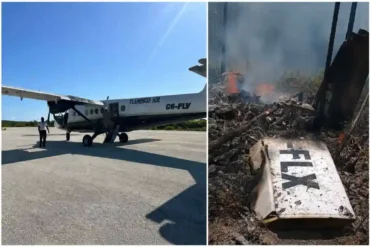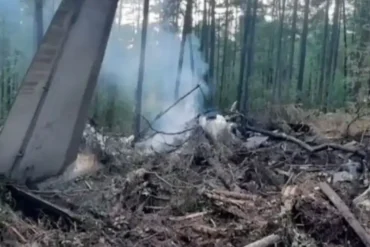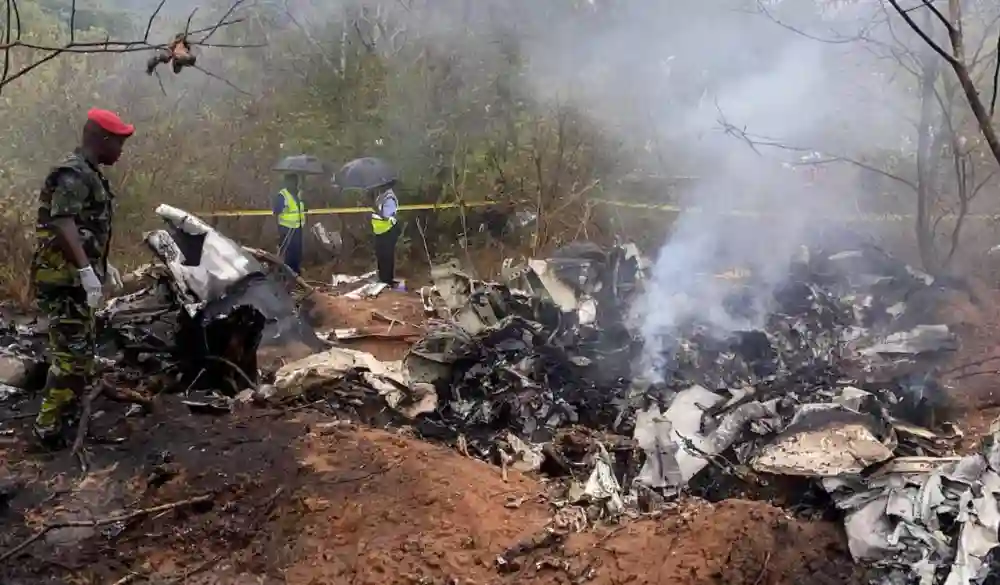
At 8:25 a.m. local time on October 28, 2025, a routine safari flight operated by Mombasa Air Safari turned into a devastating tragedy when a Cessna 208B Grand Caravan crashed near Diani Beach, Kenya, killing all 11 people onboard. The crash occurred barely ten minutes after the aircraft departed Ukunda Airport (HKUK), en route to Kichwa Tembo airstrip in the Maasai Mara game reserve. The tragedy has prompted a full-scale investigation by Kenya’s Aircraft Accident Investigation Department (AAID).
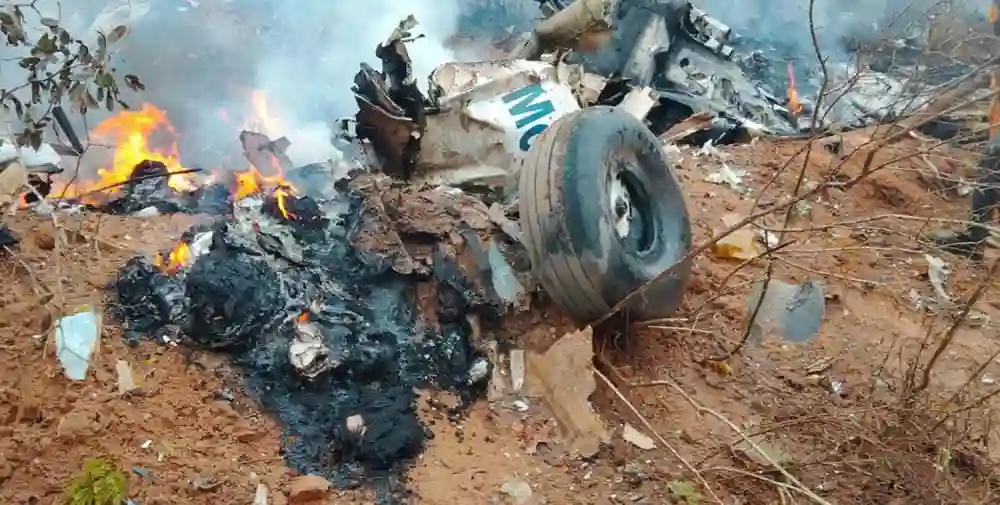
Immediate Aftermath and Crash Site Details
The single-engine turboprop, bearing registration 5Y-CCA, lost contact with radar 25 miles from its departure point. The aircraft was heading northwest on a flight path covering over 280 miles across diverse terrain, including coastal lowlands and the Great Rift Valley. According to air traffic control at Mombasa Moi International Airport (HKMO), no distress signal or radio communication was made by the pilot before the crash. This lack of a distress call suggests the event may have been sudden or the result of a catastrophic failure.
The AAID confirmed that the wreckage was found in dense vegetation near Diani Beach, a popular tourist region known for its proximity to Ukunda. The immediate area had reportedly been experiencing heavy rainfall and poor visibility, conditions known to complicate both visual and instrument flying.
Victims: A Diverse and Devastating Loss
All 11 occupants perished in the crash, including the Kenyan pilot and ten European nationals, most of whom were tourists embarking on a once-in-a-lifetime safari adventure. Details regarding the nationalities and identities of the European passengers are being withheld pending notification of next of kin. A family assistance team has been set up by Mombasa Air Safari to provide grief counseling, logistical support, and repatriation coordination to the bereaved families.
Weather and Flight Conditions: A Crucial Factor
While the final report will depend on detailed analysis of the flight data, early signs point to adverse weather conditions as a potential factor. October is within Kenya’s short rainy season, which is notorious for rapidly shifting cloud cover, thunderstorms, and low visibility, especially along the coast.
Meteorological reports from the morning of the crash confirm that the Diani-Ukunda region was engulfed in dense cloud cover with sustained rainfall. Pilots operating under visual flight rules (VFR) in such weather can quickly become disoriented, particularly when transitioning from coastal visibility to elevated inland terrain.
Aircraft Profile: The Cessna 208B Grand Caravan
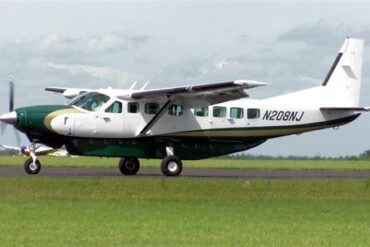
The aircraft involved, a Cessna 208B Grand Caravan, is widely regarded as a reliable, versatile workhorse of small-scale aviation. Equipped with a single Pratt & Whitney PT6A turboprop engine, the 208B can seat up to 14 passengers and is used extensively in safari tourism, humanitarian operations, and regional cargo transport.
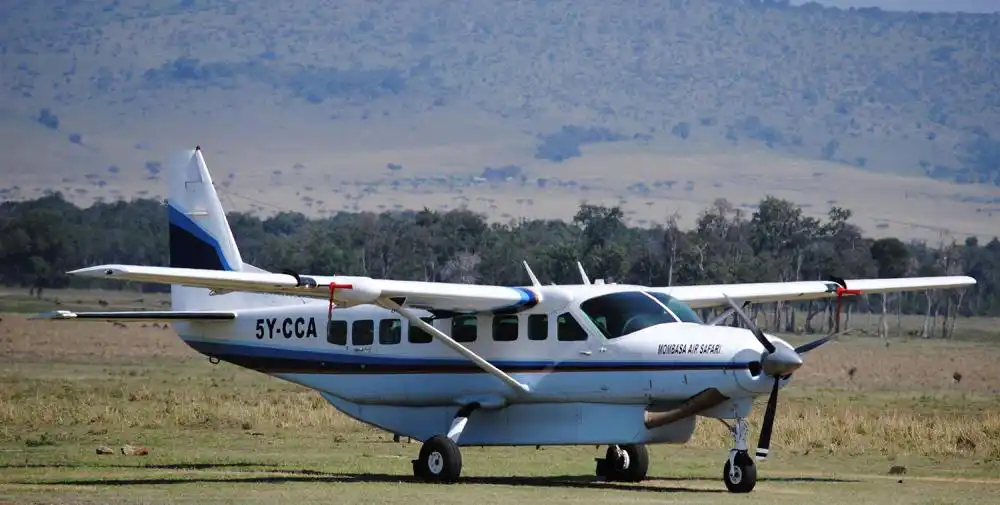
Manufactured by Textron Aviation, the Grand Caravan is known for its robust build, short takeoff and landing capability, and low operating cost, making it especially popular in remote regions like East Africa. However, the aircraft is not immune to weather vulnerabilities, particularly in non-pressurized cabins and when navigating mountainous or low-visibility terrain without advanced avionics.
Operator Background: Mombasa Air Safari
Founded in 1974, Mombasa Air Safari is one of Kenya’s most established regional carriers specializing in charter and scheduled flights across Kenya, Uganda, and Tanzania. Operating a mixed fleet of Cessna Caravans and Let L-410 Turbolets, the company is headquartered at Mombasa Moi International Airport (HKMO).
Though widely respected in the regional aviation community, Mombasa Air Safari has experienced at least one previous fatal accident. On August 22, 2012, a Let L-410 crashed during takeoff, resulting in four fatalities. That incident, like the present one, also raised questions about runway conditions and preflight safety checks.
Following the October 28 crash, Chairman John Cleave issued a somber statement expressing condolences and reaffirming the airline’s commitment to transparency and cooperation with Kenyan authorities. He emphasized that the company’s emergency response protocol had been activated and all resources were being directed toward supporting the victims’ families and aiding the investigation.
Kenya’s AAID Launches Full-Scale Investigation
The Aircraft Accident Investigation Department, under the Kenyan Ministry of Transport, has dispatched a team of forensic aviation specialists, engineers, and accident scene analysts to recover critical evidence. Their primary goals are to retrieve the aircraft’s flight data recorder (FDR) and cockpit voice recorder (CVR)—though many Cessna 208Bs, especially in older configurations, are not equipped with black boxes, which may significantly hinder the investigation.
Witnesses from nearby communities reported hearing a low engine drone, followed by a muffled crash sound, moments before smoke was seen rising from the coastal thicket. Emergency responders, aided by local residents and Kenya’s Disaster Management Unit, arrived at the wreckage site shortly after 9:00 a.m., but found no survivors.
Global Impact and Tourism Sector Concerns
The crash is expected to raise concerns within Kenya’s multi-billion-dollar safari tourism industry, which heavily relies on regional air links to transport visitors to remote lodges and game reserves. The Maasai Mara, the intended destination, is a premier global destination, drawing thousands annually for its dramatic wildlife migrations and luxury camp experiences.
Travel advisories may be updated by various European governments pending the findings of the investigation. Kenyan aviation authorities will also face increasing pressure to review weather minimums, VFR operational limits, and emergency readiness protocols for flights serving ecotourism routes.
Aviation Safety and the Larger Picture
This incident reignites longstanding debates over aviation safety in developing countries, particularly in regions with fast-growing air traffic but limited regulatory oversight infrastructure. The Cessna 208, while reliable, has been involved in multiple fatal incidents worldwide, often due to a combination of weather, overloading, or pilot fatigue.
Aviation watchdog groups may press for enhanced pilot training programs, mandatory installation of terrain awareness warning systems (TAWS), and more stringent maintenance audits for small operators. Insurance underwriters and global aviation bodies such as ICAO and IATA may also scrutinize operational data to reassess route risks in East Africa.
Mourning and Memorials
Across Kenya and in the passengers’ home countries, mourning has begun. Floral tributes were seen laid outside the Ukunda and Mombasa airports, with grief-stricken relatives beginning to arrive at the crash site under escort from government and consular officials. In Nairobi, a candlelight vigil is planned at Uhuru Park, coordinated by the Ministry of Tourism in memory of those lost.
Religious leaders and civil aviation chaplains have stepped in to provide support, while Kenyan President William Ruto issued an official statement offering condolences and assuring citizens that the investigation would be “thorough, impartial, and swift.”
Looking Forward: A Call for Accountability and Change
While the skies over Diani have since cleared, the storm of grief, scrutiny, and accountability has just begun. As investigations unfold, families seek answers not just about how the crash occurred, but why safeguards failed to prevent it. Aviation experts and policymakers must now collaborate on systemic improvements to ensure that such tragedies do not repeat.
In the coming weeks, AAID will release its preliminary report, which may shed light on contributing factors such as pilot decision-making, weather updates received en route, mechanical reliability, or air traffic management protocols. Until then, the loss of 11 lives remains a stark reminder of the fragility of flight in hostile conditions—and the enduring responsibility of all aviation stakeholders to prioritize safety above all.