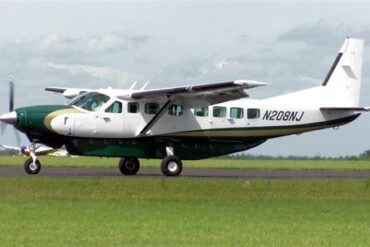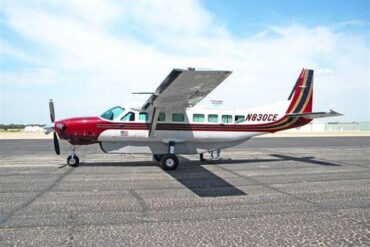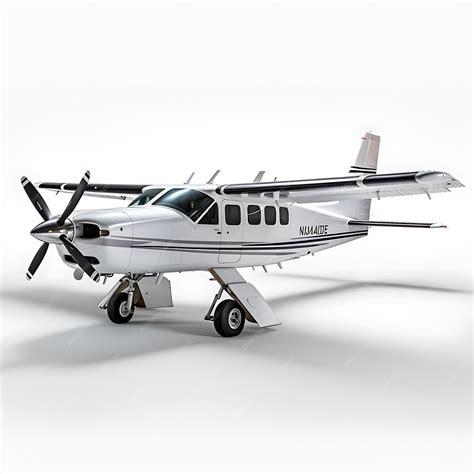
The Cessna 208 Caravan is more than an aircraft—it’s a symbol of rugged utility, mission versatility, and engineering endurance. Since its maiden flight in 1982, the Caravan has earned a reputation as a workhorse for operators ranging from humanitarian agencies in Africa to cargo networks in the Americas. In an aviation world that continually evolves, the Caravan has not only remained relevant but has flourished—proving that intelligent design and purposeful simplicity never go out of style.
Origins and Development of the Cessna 208 Caravan
Conceived at Cessna’s Pawnee engineering facility, the Caravan’s design was rooted in one central idea: create a reliable, single-engine utility aircraft that could adapt to both passenger and cargo missions under adverse conditions. The prototype first took to the skies on December 9, 1982, and by October 1984, it had achieved FAA certification. Serial production began the following year, quickly making waves with its performance and adaptability.
What set the Caravan apart in its early days was its ability to swap roles with minimal reconfiguration. It could haul skydivers at noon, passengers by afternoon, and cargo by dusk—making it a favorite in cost-sensitive and logistically complex operations.
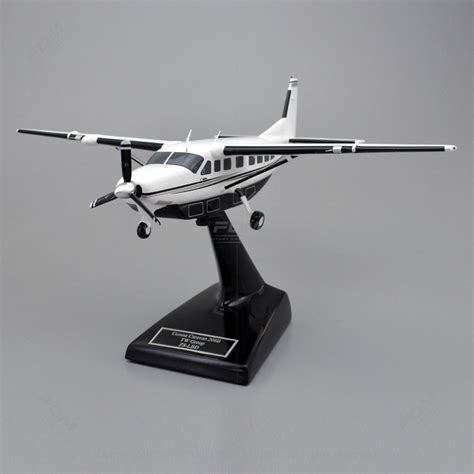
The product line quickly diversified. The 208A Cargomaster—a freighter version designed at the behest of FedEx—debuted in the mid-1980s. Soon after, the 208B Super Cargomaster entered the market, followed by the 208B Grand Caravan, a passenger variant with a stretched fuselage, in 1990. Over the next three decades, these aircraft became ubiquitous across remote airstrips, bush terrains, and maritime supply chains.
Design and Engineering Excellence
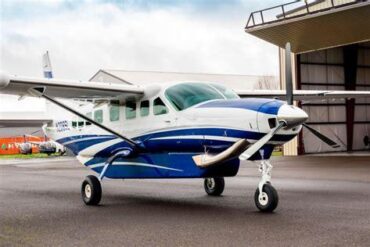
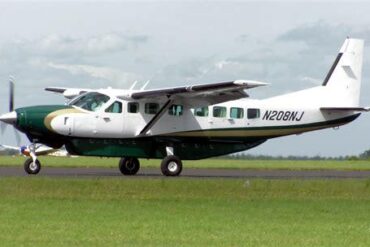
The Caravan’s engineering philosophy prioritizes functionality over complexity. It is powered by the Pratt & Whitney Canada PT6A turboprop—a globally trusted engine family. With a high-wing, braced monoplane layout, the 208 delivers exceptional stability and ground clearance for unimproved airstrips.
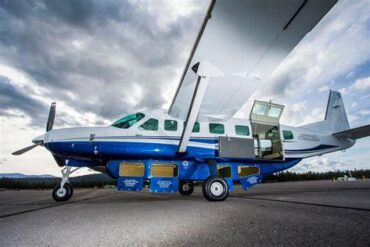
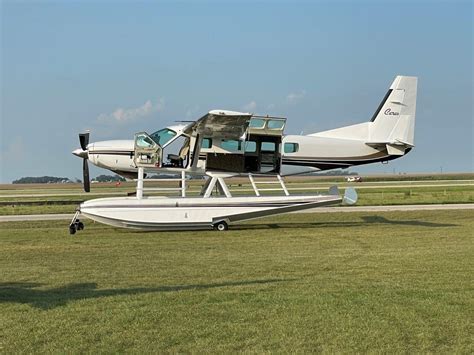
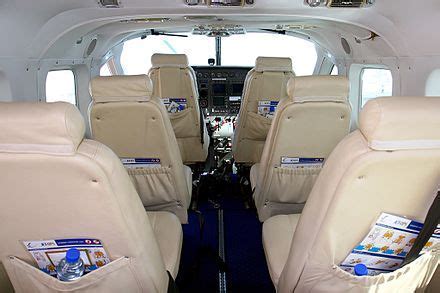
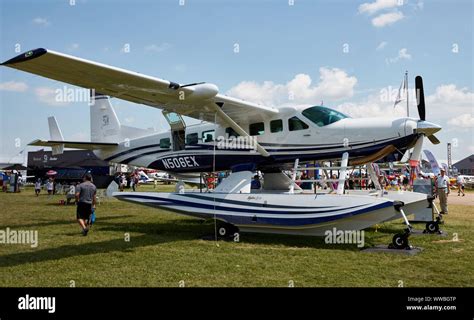
It features a modular cabin, usually seating nine passengers but adaptable up to 13 with certification waivers. The cabin can be arranged in high-density rows, single-aisle comfort, or stripped down entirely for freight use. For special missions, operators have the option to install amphibious floats, snow skis, or a fixed tricycle landing gear.
Standard features include:
- Four access doors, including a right-hand airstair and left-hand cargo door
- Optional underbelly cargo pod for bulky freight
- Fuel consumption: 48 US gal/hr at 170 knots, optimized for 200 nautical mile stages
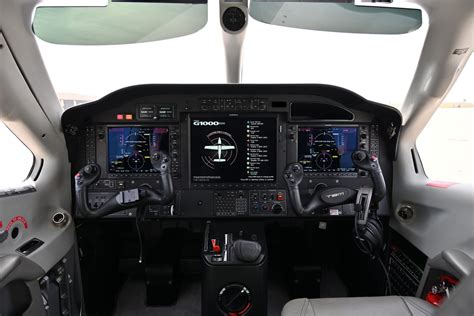
The avionics saw a substantial leap forward in 2008 with the integration of the Garmin G1000 glass cockpit system, enhancing situational awareness, reducing pilot workload, and boosting IFR capabilities. In 2013, the Grand Caravan EX took flight, featuring the PT6A-140 engine, offering greater performance in hot-and-high environments—a key need for operators in Latin America, Africa, and Southeast Asia.
Global Production and Strategic Expansion into China
In a strategic shift reflecting the changing aerospace market, Cessna partnered with China’s CAIGA in May 2012 to begin Caravan production in Shijiazhuang. By December 2013, the first Chinese-assembled unit was delivered. As of April 2016, over 30 kit-built aircraft had been distributed to domestic Chinese operators.
This expansion facilitated stronger presence in the Asia-Pacific region, where demand for rugged, short-field aircraft remains strong, especially in archipelagos and mountainous regions.
Variants: Expanding the Caravan Legacy
The Cessna 208 family includes a variety of purpose-built and modified aircraft to meet diverse operational needs:
Civilian Variants:
- 208 Caravan: The original baseline passenger/cargo hybrid.
- 208A Cargomaster: FedEx’s cargo-optimized model.
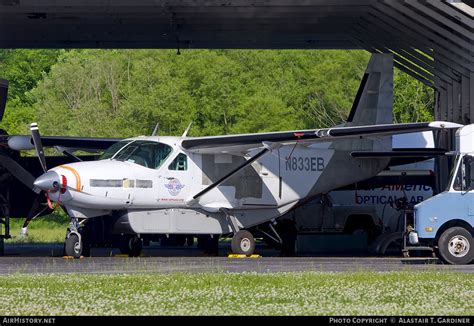
- 208B Super Cargomaster: Stretched freighter version.
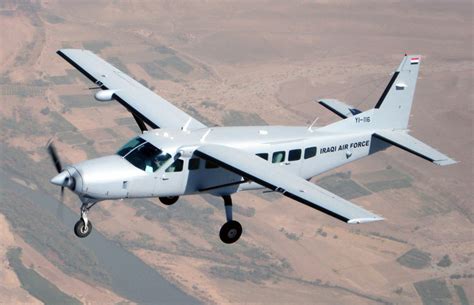
- 208B Grand Caravan: Extended passenger model.
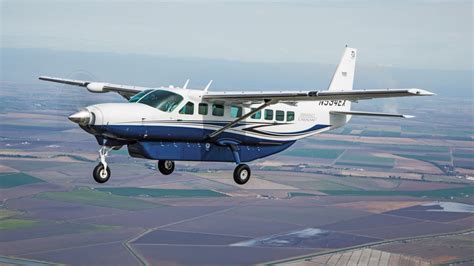
- 208B Grand Caravan EX: Enhanced engine and avionics.
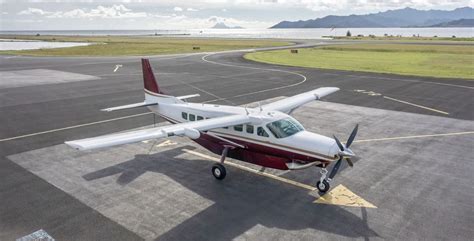
- Caravan Amphibian: Floatplane for coastal and island use.
Aftermarket & Experimental Variants:
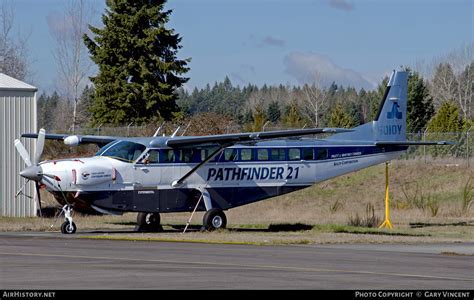
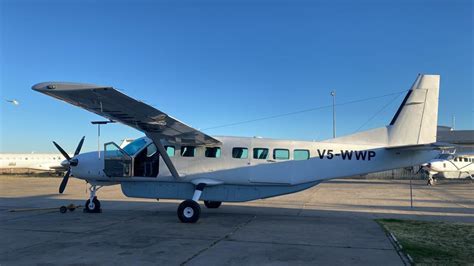
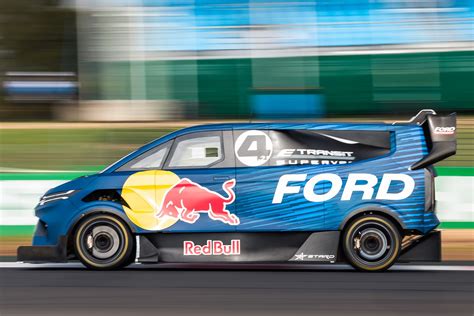
- Soloy Pathfinder 21, Blackhawk Caravan, XP42A, and Supervan 900 conversions boost engine output and avionics.

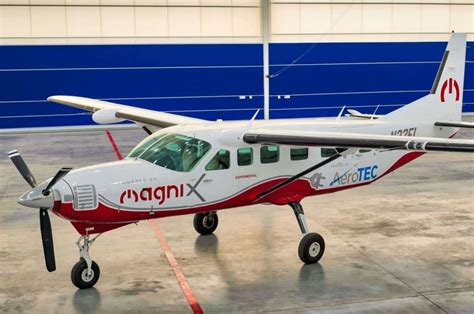
- The eCaravan, an electric prototype, flew on May 28, 2020, demonstrating a vision for sustainable aviation.
Military Variants:
- U-27A, C-98, and the AC-208 Combat Caravan serve roles in surveillance, light attack, and logistics.
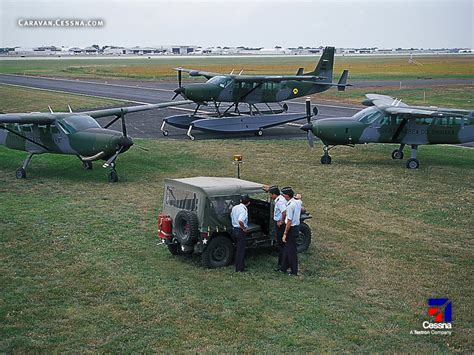
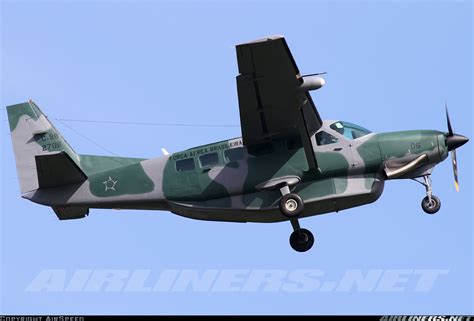
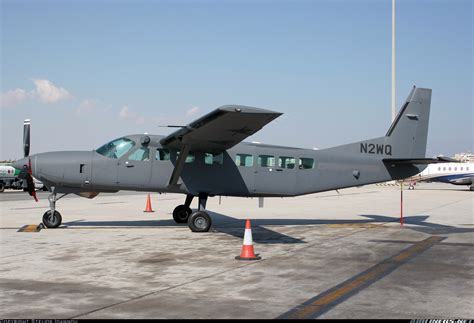
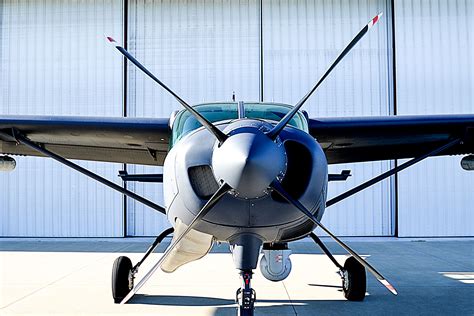
- The latest MC-208 Guardian variant is geared toward armed ISTAR operations.
Operators and Mission Versatility
The Caravan’s adoption spans over 3,000 units delivered globally and operations in over 100 countries. Key operators include:
- FedEx: Operating 239 aircraft in its feeder network
- Regional airlines: Used in remote Alaska, Pacific islands, and Central Africa
- Military forces: Over 123 units in transport, reconnaissance, and attack roles
- NGOs and humanitarian agencies: Praised for its reliability in undeveloped regions
The Caravan excels in missions where larger aircraft fail: short-field landings, minimal infrastructure, and multi-role day-to-day flying. Its high dispatch reliability and low operating costs make it invaluable in both developed and emerging economies.
High-Profile Incidents and Operational Highlights
While generally considered safe, the Caravan has had its share of dramatic moments and accidents:
- August 2021: An Afghan Air Force AC-208 dramatically escaped Kabul hours before the capital fell.
- May 11, 2022: A passenger, with no prior flight experience, landed a Caravan safely after the pilot became incapacitated—a feat broadcast globally.
- November 21, 2023: Reliable Robotics flew a Caravan unmanned via satellite link, marking a major step toward pilotless regional aviation.
- February 2025: A tragic crash on a commuter route in Alaska claimed all lives on board, highlighting the risks of remote-region flying.
Technical Specifications: Cessna 208 Caravan (Standard Model)
- Crew: One or two
- Capacity: 9 passengers standard, 13 max with waiver
- Length: 37 ft 7 in
- Wingspan: 52 ft 1 in
- Height: 14 ft 11 in
- Empty Weight: 4,730 lb
- MTOW: 8,000 lb
- Fuel Capacity: 332 US gal
- Engine: Pratt & Whitney PT6A-114A, 675 shp
- Cruise Speed: 186 knots
- Range: 1,070 nautical miles
- Ceiling: 25,000 ft
- Avionics: Garmin G1000 with GFC700 autopilot
The Enduring Value of the Cessna 208 Caravan
Despite new entrants in the utility aircraft segment and increasing electrification in regional aviation, the Cessna 208 Caravan remains unmatched for reliability, simplicity, and mission flexibility. Its ability to serve freight, passenger, military, and experimental applications has ensured a production line that spans over four decades.
The Caravan’s story is not one of rapid disruption but of steady, resilient evolution—a testament to the aircraft’s thoughtful engineering and its operators’ faith. As air travel decentralizes and last-mile logistics become increasingly essential, the Caravan’s relevance continues to grow. With autonomous flight trials underway and electric variants already airborne, the next chapter of the Caravan promises to be just as pioneering as the first.