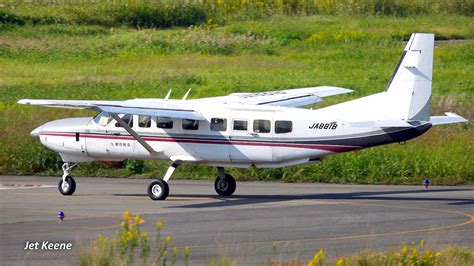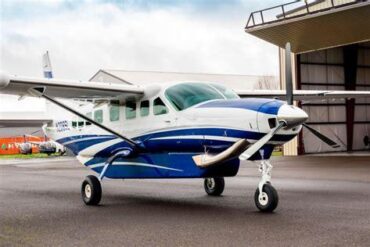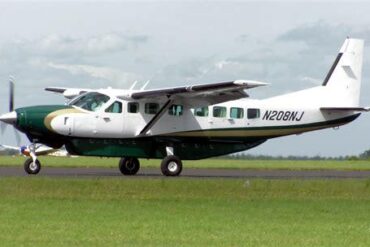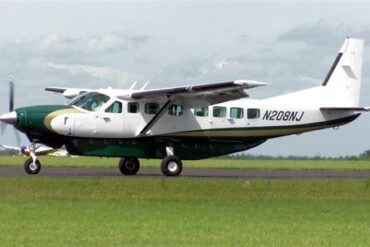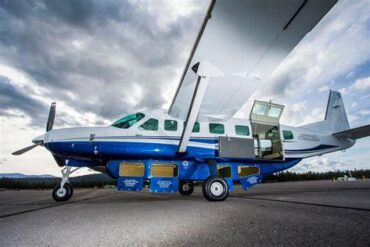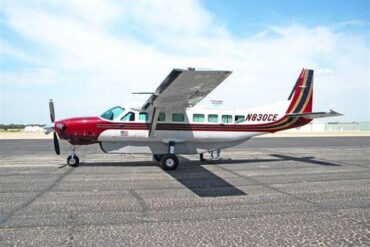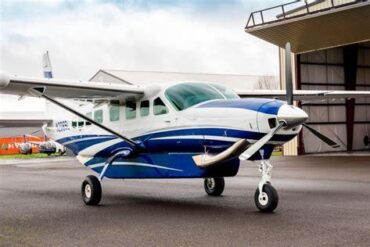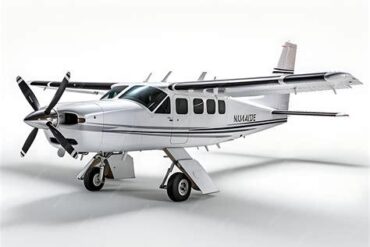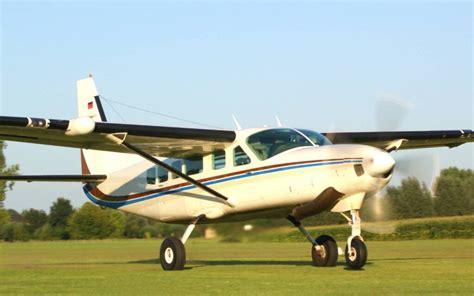
The Cessna 208 Caravan is a rugged, versatile, and highly capable turboprop aircraft that has become a staple in regional aviation, logistics, and remote operations worldwide. Designed to excel in environments where flexibility, durability, and efficiency are paramount, the Caravan has cultivated a loyal following among private owners, charter operators, and logistics providers alike. In this in-depth analysis, we explore the total cost of ownership, acquisition pricing, and operational economics of this aircraft, detailing both new and used purchase scenarios, maintenance expectations, and the Caravan’s performance profile.
Understanding the Legacy and Variants of the Cessna Caravan
First flown in 1982, the Cessna 208 Caravan was engineered as a cargo and utility aircraft, featuring a high-wing, tricycle landing gear, and single Pratt & Whitney PT6 turboprop engine. FedEx was instrumental in shaping early development, becoming one of the largest operators of the aircraft. Since its debut, over 3,000 Caravans have been delivered worldwide.
Today, two primary variants are in production:
- Cessna Caravan (C-208) – The original, standard-sized model.
- Grand Caravan EX (C-208B) – A stretched version with increased payload and power.
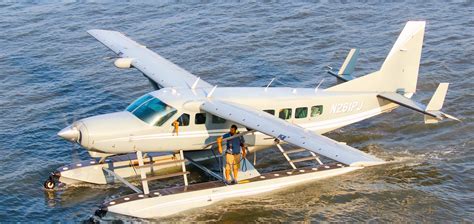
Both variants can be equipped with external cargo pods or amphibious floats, extending their utility for operations in rugged or water-bound territories.
New vs. Used: Price Points for Every Budget
Though Textron Aviation, Cessna’s parent company, does not publicly publish factory pricing, reliable estimates can be extracted from brokerage platforms like Controller and Trade-a-Plane.
New Caravans
A factory-new Grand Caravan EX, depending on optional avionics and configurations, typically ranges from $3.6 to $4.2 million. These prices can fluctuate depending on cabin customization, float or tundra gear installation, and avionics suite enhancements. New Caravans offer warranties and the latest technological advances, including the Garmin G1000 NXi cockpit and updated autopilot systems.
Used Caravans
Used Caravan pricing is heavily influenced by airframe age, engine hours, and aircraft condition. Current listings show:
- Pre-owned Caravans: $1.4 to $3.2 million
- Average acquisition cost: $1.9 to $2.4 million
Aircraft over ten years old, particularly those used in bush flying or charter operations, may be priced lower but could carry higher maintenance burdens.
The Economics of Leasing and Chartering
Many operators opt for leasing agreements rather than outright purchases, especially those offering Part 135 charter services. The average hourly charter rate for a Caravan sits around $1,250 per hour, excluding operator margins. These arrangements enable carriers to utilize the aircraft without assuming full capital expense, albeit at a premium over long-term ownership.
Comprehensive Cost Breakdown: Owning a Caravan
Ownership costs fall into two major categories: fixed and variable.
Fixed Costs
Fixed costs remain consistent regardless of flight hours. Based on current aviation data, these range from $19,000 to over $180,000 annually, depending on usage and mission profile. Common fixed expenses include:
- Crew salaries and training: Up to $90,000/year
- Hangar storage: Approx. $35,000/year
- Insurance: Around $25,000/year (can vary based on usage, e.g., seaplane or bush operations)
- Annual inspections and basic airworthiness compliance: $10,000–$20,000
Variable Costs
Variable costs scale with usage and include the following estimates:
- Fuel: PT6 engine burns 55 gallons/hour → $345/hour (Jet-A @ $5.00/gal)
- Maintenance: Including engine, landing gear, avionics, and airframe → $519–$635/hour
- Engine overhaul cost: $250,000 every 3,600 hours, with a mid-life inspection at $125,000 after 1,800 hours
Given these figures, the total operating cost for 300 flight hours per year reaches around $400,000, factoring in both fixed and variable costs.
Performance: Strength in Simplicity
Despite its workhorse origins, the Cessna Caravan delivers consistent performance across multiple terrains and roles.
Engine and Avionics
The aircraft’s Pratt & Whitney PT6A-114A engine produces 675 shp in the standard model, while the EX version’s PT6A-140 offers 867 shp. These engines are respected for their reliability and service network.
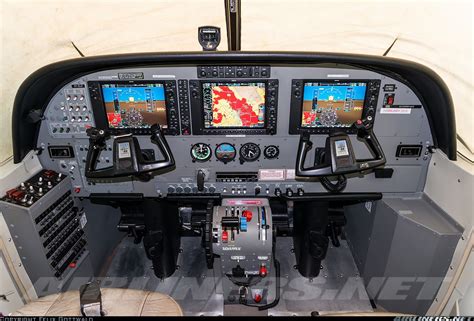
New aircraft feature Garmin G1000 NXi avionics with integrated autopilot, terrain awareness, weather radar, and optional datalink systems. Many older Caravans have been upgraded to modern glass cockpits through retrofit programs.
Payload and Range
- Useful load: 3,305 lbs (standard) | 3,535 lbs (EX)
- Cruise speed: 186 knots
- Range (full payload): 325 nautical miles
- Max range (light load, full fuel): 1,070 nautical miles
Operational Versatility: Cargo, Commuter, and More
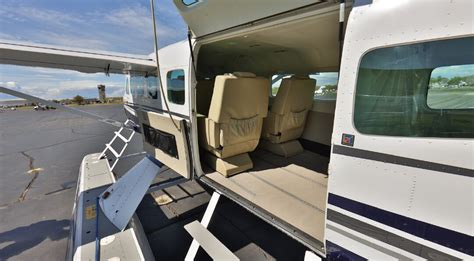
The Caravan’s design supports multiple cabin configurations, often featuring rail-mounted seating for 10 to 14 passengers and removable cargo pods. Its STOL (short takeoff and landing) capability and amphibious versatility make it especially valued in remote supply chains and humanitarian operations.
Training and Certification Requirements
While no FAA type rating is required (under 12,500 lbs and non-jet powered), insurance and operators typically mandate extensive initial and recurrent training. Reputable programs, such as those offered by FlightSafety, provide simulator-based systems familiarization, emergency procedure training, and performance-based flight scenarios.
Maintenance Schedules and Lifecycle Management
Annual inspections are mandatory for all aircraft, but operators under Part 135 often benefit from progressive maintenance programs. These plans break inspections into smaller, regularly scheduled intervals, minimizing downtime and spreading costs evenly.
Lifecycle planning must include:
- Mid-life engine servicing: ~$125,000 @ 1,800 hours
- Full overhaul: ~$250,000 @ 3,600–3,800 hours
- Avionics software updates: Variable costs depending on manufacturer and licensing
Resale Value and Market Stability
The Caravan’s enduring popularity ensures strong residual value. Global demand, particularly for floatplanes and utility models in South America, Africa, and the Pacific Rim, has preserved high resale prices. Operators can expect 60–75% value retention over ten years, depending on usage and condition.
Conclusion: Is the Cessna Caravan Worth the Investment?
The Cessna Caravan remains one of the most efficient, dependable, and adaptable utility aircraft available. Whether configured for cargo delivery, regional commuter service, skydiving operations, or seaplane adventures, the Caravan is a proven performer with low operational overhead relative to its capabilities.
While new models come with a hefty price tag, the low maintenance cost, unmatched versatility, and strong secondary market help justify the investment. For operators seeking long-range value, flexibility, and minimal downtime, the Caravan delivers unparalleled returns over the long term.