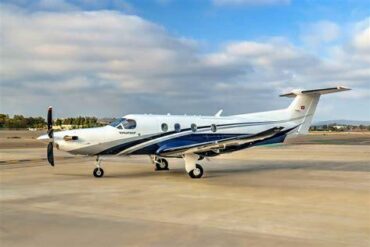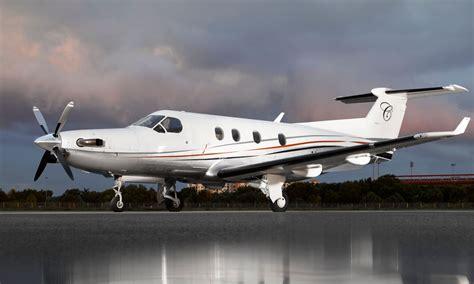
The Pilatus PC-12 is a marvel of modern aviation, blending Swiss precision with rugged capability. First introduced in 1994 by Pilatus Aircraft Ltd. of Stans, Switzerland, the PC-12 has grown into one of the most versatile, reliable, and sought-after single-engine turboprop aircraft in the world. With over 2,000 units delivered as of 2023 and more than 10 million flight hours, the PC-12 has earned its reputation across commercial, corporate, medical, and military sectors.
From the Australian outback to executive airports in the U.S., the PC-12 is as comfortable transporting dignitaries as it is flying rescue missions in the most unforgiving terrains. Its unmatched ability to land on short, unprepared runways while carrying substantial payloads has made it indispensable to both operators and passengers seeking safety, efficiency, and adaptability.
The Genesis of an Icon: Design and Development
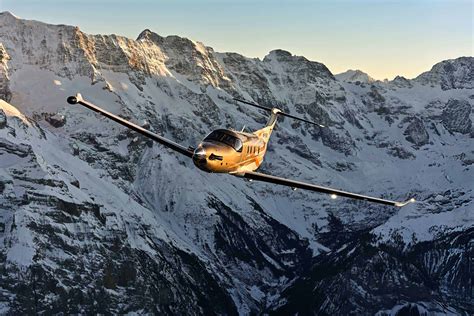
The PC-12 was born from an ambitious goal: to combine twin-engine reliability and performance into a more efficient, single-engine platform. Development began secretly in the late 1980s, with the prototype taking flight on 31 May 1991. The design integrated a large pressurized cabin, both a passenger and cargo door, and the powerful Pratt & Whitney Canada PT6A-67 series turboprop engine.
Certification was completed in 1994, following a redesign of the wing to increase span and efficiency. The PC-12 immediately stood apart with its long range, high payload, and short-field performance, and Pilatus committed to continuous improvement ever since.
Engineered for Excellence: Airframe and Powerplant
At its heart, the PC-12 is powered by the PT6A-67P or E series engines, renowned for unparalleled reliability and global support infrastructure. These engines deliver up to 1,200 shp, enabling the aircraft to cruise at speeds up to 290 knots TAS in the NGX variant.
The airframe is built for endurance, with corrosion-resistant materials and a reinforced structure capable of withstanding rough-field operations. Its wing design, derived from NASA LS(1) airfoils, promotes efficient lift and stable handling across all phases of flight. Winglets aid climb performance and fuel efficiency, especially on longer missions.

Cabin Comfort Meets Utility: Interior Design and Flexibility
Despite its utility aircraft roots, the PC-12 cabin was crafted with luxury and comfort in mind. Collaborating with BMW Designworks, Pilatus developed a cabin environment featuring leather seating, wood veneer panels, and soft ambient lighting that mirrors high-end automotive interiors. The aircraft can be configured in various layouts:
- Executive setup: Up to 9 passengers with plush seating, refreshment center, and enclosed lavatory.
- Combi arrangement: Mixed passenger and cargo capability.
- Air ambulance: Equipped with two stretchers, full medical gear, and space for attendants.
A signature feature is the large cargo door, enabling palletized freight, motorcycles, or stretchers to be loaded quickly and easily. This dual-function interior makes the PC-12 a favorite among private owners, medevac teams, and surveillance units.
Cockpit Innovation: Avionics and Flight Control
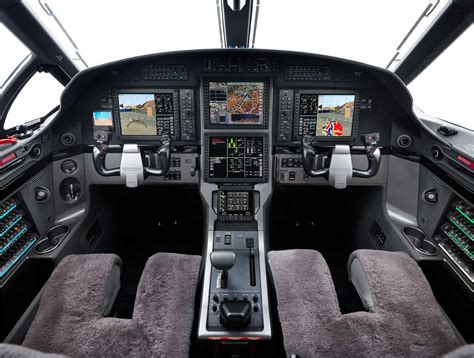
The PC-12’s avionics have evolved dramatically. Early models featured analog instruments, replaced in the PC-12NG by the Honeywell Primus Apex glass cockpit, and later enhanced in the NGX with touchscreen controls and autothrottle. The flight deck mirrors those found in midsize jets, offering:
- Four 10-inch LCDs with primary and multifunction displays
- Synthetic vision system
- Cursor control device and touchscreen inputs
- Three-axis autopilot and autothrottle (NGX)
For single-pilot operators, this means reduced workload, better situational awareness, and increased operational safety. The 2025-announced PC-12 PRO will feature a Garmin GFID 3 (G3000 Prime) suite, Garmin Autoland, and PC-24-inspired yokes, signaling a major leap in automation and safety.
The Next Generations: NG, NGX, and PRO
PC-12NG (Next Generation)
Unveiled in 2006 and delivered by 2008, the NG brought the PT6A-67P engine, offering better climb rates and fuel efficiency. Enhanced avionics, revised winglets, and pressurization systems elevated it into the business aviation arena. Over 200 orders were secured in its first two years.
PC-12NGX
Introduced in 2019, the NGX redefined standards with:
- PT6E-67XP engine with FADEC
- Autothrottle and lower noise propeller mode
- 10% larger windows and refreshed cabin
- Extended maintenance intervals (600 hours)
- Base price of $4.39M, typically $6.02M fully equipped (2023)
PC-12 PRO
Announced in March 2025, the PRO will integrate modern Garmin avionics and cutting-edge automation features, pushing the boundaries of single-pilot operations and mission safety.
A Multirole Workhorse: Mission Capabilities
The PC-12 is revered for its adaptability. It thrives in roles including:
- Air ambulance: Trusted by the Royal Flying Doctor Service of Australia and Red Cross.
- Surveillance and ISR: In the U.S., the PC-12 Spectre and U-28A Draco variants carry EO/IR sensors, data links, and mission consoles.
- Government transport: Utilized by the Royal Canadian Mounted Police and Finnish Air Force.
This versatility stems from the aircraft’s modular systems, robust electrical architecture, and mission-specific options such as parachute doors and auxiliary antennas.
Operational Efficiency and Global Appeal
Pilatus PC-12 operators consistently praise its low operating costs, high dispatch reliability, and residual value. In a 2006 analysis, it was deemed the most economical aircraft in its class, outperforming even twin turboprops in terms of maintenance and fuel efficiency.
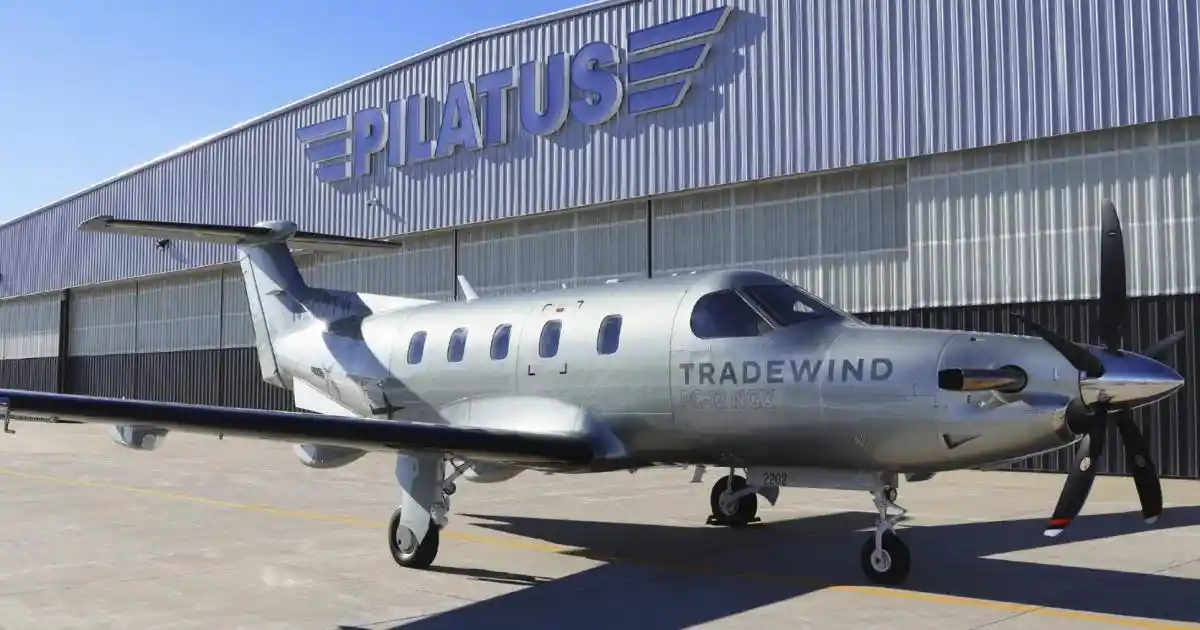
Notably, the PC-12 maintains 80–85% of its value after 10 years, reselling faster than most business jets. Fleet operators such as PlaneSense, Surf Air, and Tradewind Aviation have made it their backbone, with Tradewind investing $100 million in 20 new NGX aircraft for charter and fractional services.
Safety First: Design, Features, and Statistics
Safety is fundamental to the PC-12’s design philosophy. Beyond the inherent reliability of the PT6A engine, the aircraft integrates:
- Dual angle-of-attack sensors with automatic stall protection
- Split-bus dual electrical systems
- Certified icing protection systems
- Emergency third battery and redundant avionics buses
According to the Aviation Safety Network, between 1998 and 2023, the PC-12 recorded 136 incidents with 106 fatalities—a comparatively low fatality-per-accident rate for the number of flight hours logged.
The Numbers That Matter: Performance and Specifications
- Cruise Speed: 285–290 knots TAS
- Range: Up to 1,845 nautical miles
- Service Ceiling: 30,000 feet
- Takeoff Distance: 793 meters
- Landing Distance: 661 meters
- Climb Rate: 1,919 ft/min
- Cabin Dimensions: 5.16m (L) × 1.52m (W) × 1.47m (H)
- Fuel Burn: ~250 L/h on typical flights
With its 4-blade Hartzell propeller, short-field performance, and remarkable endurance, the PC-12 continues to be the aircraft of choice for missions that demand performance without compromise.
A Legacy in the Making: Future of the PC-12
With over 2,000 deliveries, global service centers, and a strong order backlog, the PC-12’s future is secure. The upcoming PC-12 PRO promises to blend cutting-edge automation with traditional reliability, ensuring the aircraft remains a leader well into the 2030s. As aircraft design continues to prioritize efficiency, sustainability, and safety, the PC-12’s proven formula—high utility, low cost, and luxurious comfort—remains unmatched in the turboprop segment. From desert airstrips to executive terminals, from medical evacuation to ISR missions, the Pilatus PC-12 stands not only as a testament to engineering brilliance but as a living legend that reshaped what a single-engine turboprop could be.