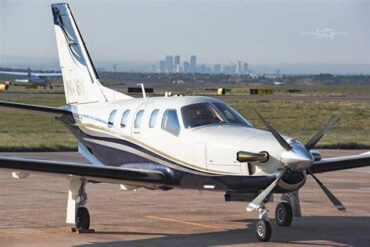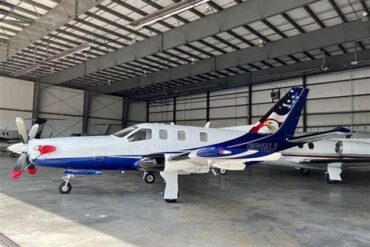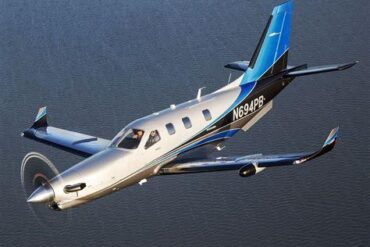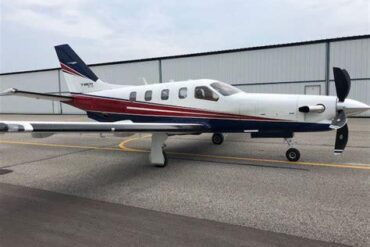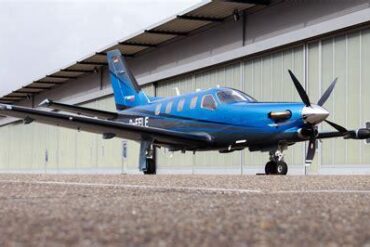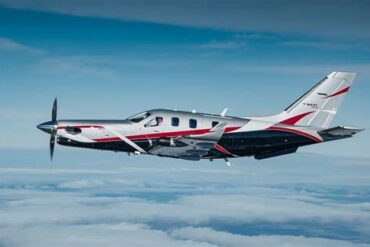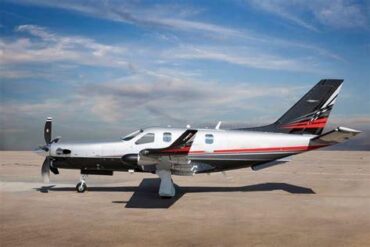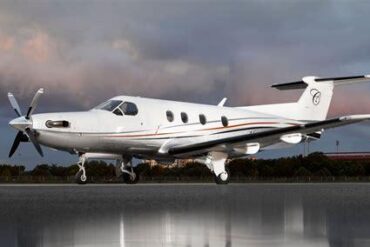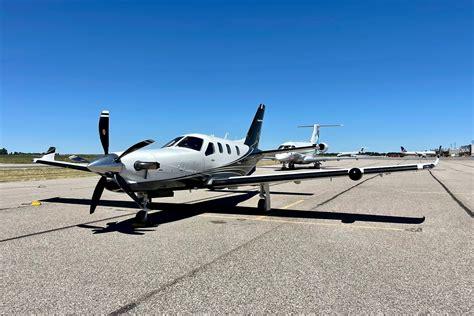
The SOCATA TBM is one of the most iconic and versatile high-performance, single-engine turboprop aircraft in the world, renowned for its speed, efficiency, and advanced engineering. Originally developed as a joint project between the American company Mooney and the French aerospace manufacturer SOCATA, this aircraft family has set new benchmarks in the aviation industry, combining the speed and altitude capabilities of a jet with the simplicity and operating economy of a turboprop. First flown on July 14, 1988, and entering production in 1990, the TBM series has since evolved through numerous iterations, each incorporating significant advancements in aerodynamics, avionics, and propulsion.
Origins and Early Development
The origins of the TBM series trace back to the Mooney 301, a piston-powered prototype aimed at creating a high-speed, pressurized aircraft capable of long-range missions. SOCATA, with its extensive expertise in light aircraft production, partnered with Mooney to adapt this concept into a single-engine turboprop, resulting in the TBM 700.
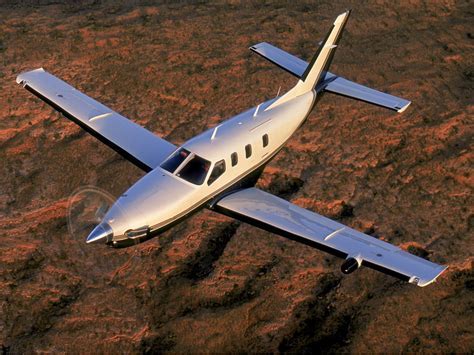
This partnership sought to fill a market gap between piston-engine light aircraft and larger, twin-engine turboprops, offering a unique combination of performance and cost-effectiveness. However, after Mooney withdrew from the project in 1991 due to financial difficulties, SOCATA took full control of production, shifting all manufacturing to its facility in Tarbes, France. This move allowed SOCATA to refine the TBM’s design, streamline production processes, and establish a dedicated support network, ensuring the aircraft’s long-term commercial success.
Key Development Milestones
From the initial TBM 700, the series has evolved through several major variants, each reflecting significant technological improvements:
- TBM 700 (1990) – The original model, featuring a PT6A-64 engine producing 700 shp, a maximum cruise speed of 467 km/h, and a range of up to 2,800 km. It set the benchmark for single-engine turboprop performance, combining speed, altitude capability, and reliability.
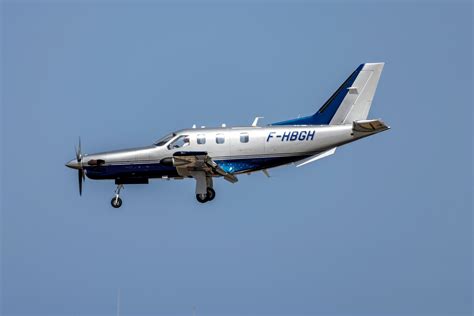
- TBM 700C2 (2004) – An upgraded version with increased maximum takeoff weight (MTOW), enhanced avionics, and greater payload capacity, making it more versatile for both passenger and cargo missions.
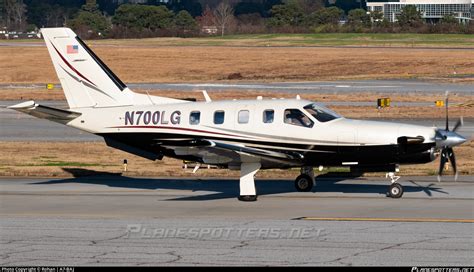
- TBM 850 (2006) – Marked a major leap forward with the introduction of the PT6A-66D engine, boosting power output to 850 shp for faster climb rates and higher cruise speeds. This model also introduced upgraded cabin features and advanced avionics.
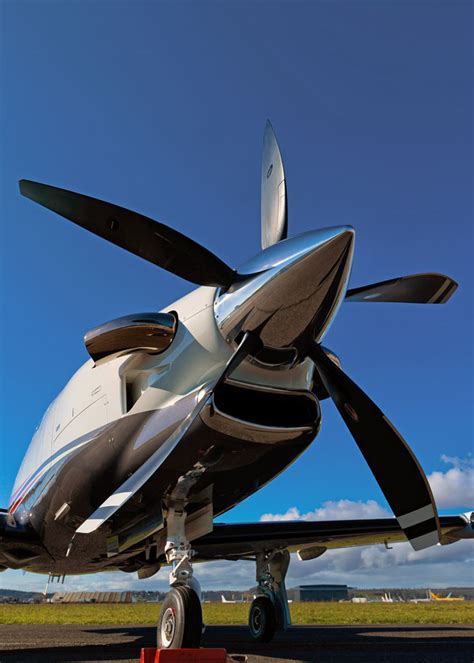
- TBM 900 (2014) – Introduced major aerodynamic enhancements, including winglets, redesigned air intakes, a five-blade propeller, and drag-reducing fuselage fairings. These changes significantly improved cruise efficiency and reduced fuel consumption.
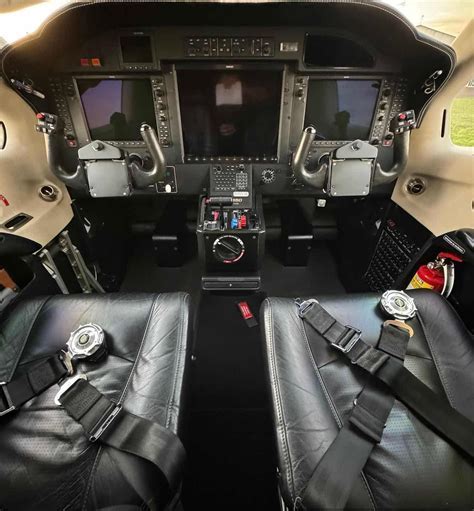
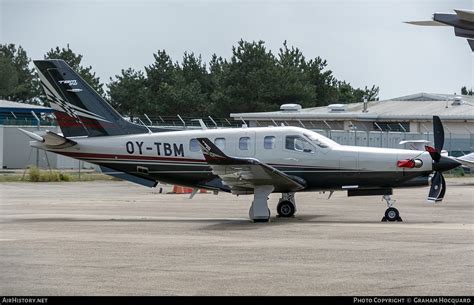
- TBM 910 and 930 (2017) – Featured the Garmin G1000 NXi and G3000 avionics suites, providing pilots with advanced situational awareness, faster processing speeds, and superior display clarity.
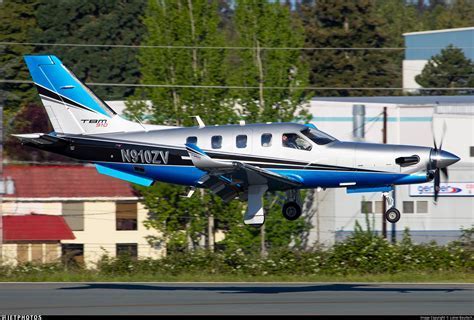
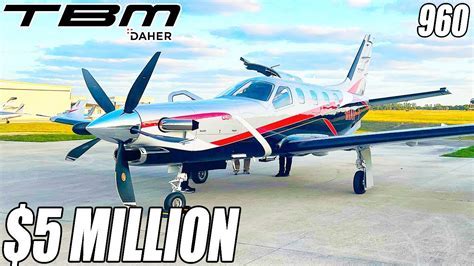
- TBM 940 and 960 (2019) – Integrated cutting-edge features like autothrottle, automatic deicing, and the revolutionary autoland capability, alongside the robust FADEC (Full Authority Digital Engine Control) system for enhanced engine management.
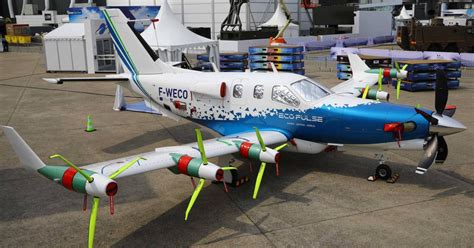
- EcoPulse (2025) – An innovative hybrid-electric demonstrator developed in partnership with Airbus and Safran, expected to significantly reduce carbon emissions and improve overall efficiency in future aircraft designs.
Design and Engineering Excellence
The TBM is built with a low-wing monoplane design, primarily constructed from lightweight aluminum, high-strength steel, and Nomex honeycomb for superior strength-to-weight ratio. This combination allows the TBM to maintain a high maximum cruise speed while offering robust structural integrity and reduced fuel burn. Key design features include:
- Pressurized Cabin – Provides a comfortable, quiet ride at high altitudes, seating up to six passengers with pressurization up to 6.2 psi, allowing cruising altitudes above 31,000 feet.
- Advanced Aerodynamics – Winglets, drag-reducing fuselage fairings, and optimized air intake systems enhance fuel efficiency and reduce drag, supporting high-speed cruise and extended range.
- Cutting-Edge Avionics – Modern TBM models are equipped with EFIS (Electronic Flight Instrument Systems), TCAS (Traffic Collision Avoidance System), TAWS (Terrain Awareness and Warning System), weather radar, and dual Garmin nav/comm systems.
- Powerful Propulsion – Powered by PT6A engines, flat-rated for consistent performance across a wide range of conditions, producing 700–850 shp depending on the variant.
Performance and Capabilities
The TBM series is known for its impressive performance metrics, offering jet-like speeds and altitudes without the operational complexity of multi-engine designs. Key performance specifications include:
- Maximum Cruise Speed – Up to 611 km/h for newer models like the TBM 960, significantly reducing travel time over long distances.
- Maximum Range – Extending up to 3,300 km, allowing non-stop flights across continents.
- Takeoff Distance – Just 726 m, making it suitable for operations from short, remote runways.
- Climb Rate – Over 2,000 ft/min, allowing rapid ascent to cruise altitudes.
- Service Ceiling – Up to 31,000 feet, placing it above much of the weather and commercial air traffic.
Market Impact and Legacy
As of July 2023, more than 1,155 TBMs have been produced, collectively logging over 1.76 million flight hours. The aircraft’s versatility, reliability, and cost-effectiveness have made it a favorite among owner-operators, accounting for approximately 90% of deliveries. Its robust design has also attracted military users, including the French Air and Space Force and Army, as well as ISR operators utilizing specially modified versions for intelligence, surveillance, and reconnaissance missions.
Future Prospects
Looking forward, SOCATA’s continued innovation through projects like the EcoPulse hybrid-electric demonstrator signals a commitment to sustainable aviation. With its proven performance, advanced technology, and ongoing improvements, the SOCATA TBM remains a benchmark in the world of high-performance, single-engine turboprops.