The Shorts 360, a British-built commuter aircraft, occupies a distinctive niche in aviation history. Developed by Short Brothers in Belfast, Northern Ireland, the aircraft emerged in the early 1980s as a rugged, economical solution for short-haul routes. It built upon the existing success of the Shorts 330, expanding its passenger capacity and enhancing its aerodynamics while retaining the utilitarian qualities that made its predecessor popular with regional operators.
Its service history spans both civilian regional airlines and military tactical logistics, with more than a hundred units seeing active service by the late 1990s. Yet, despite its practical nature and success in select markets, the Shorts 360 gradually faded from commercial skies by the early 21st century, surviving primarily through military and freight operations.
Evolution from the Shorts 330
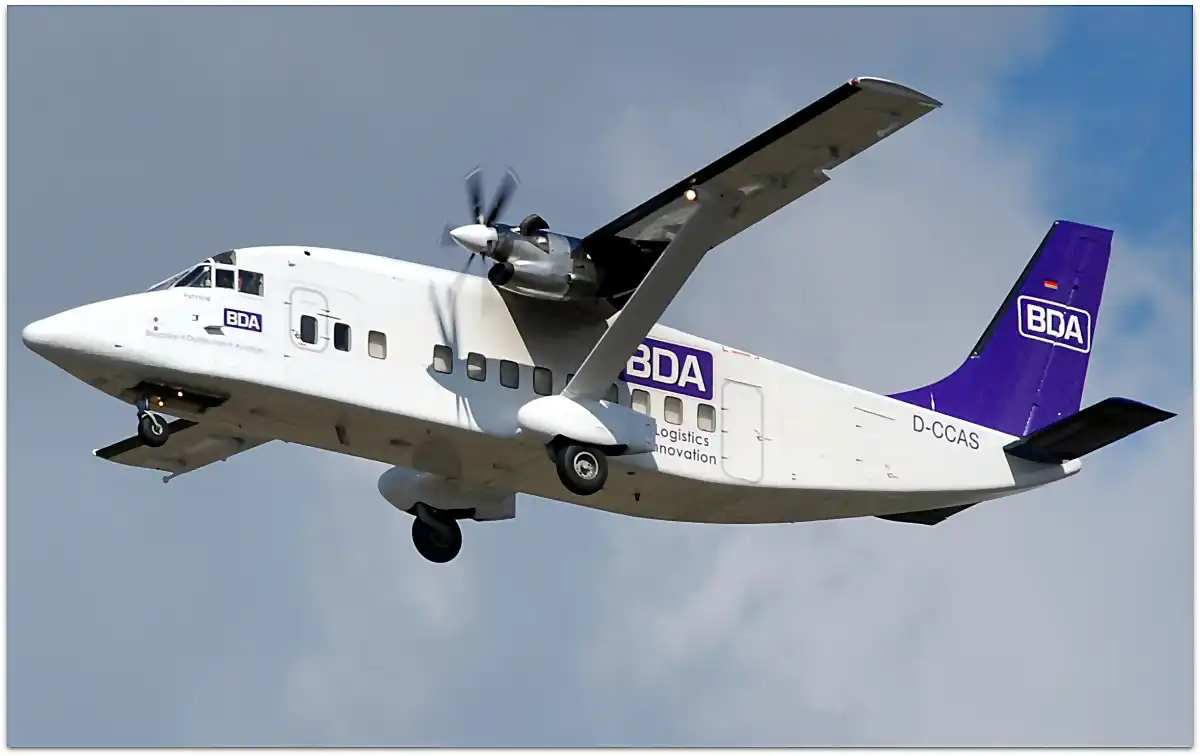
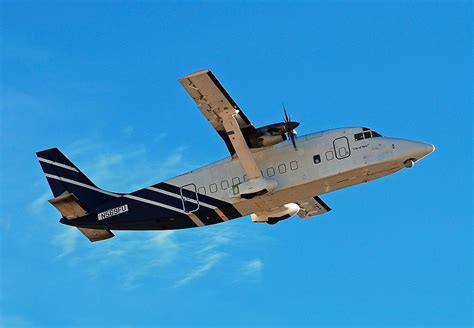
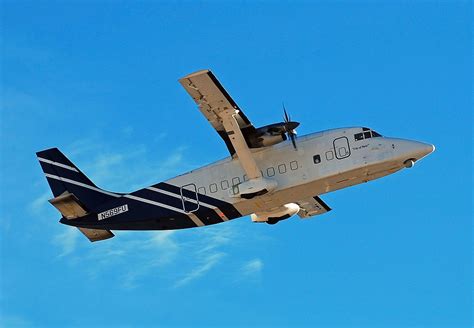
The genesis of the Shorts 360 lies in a strategic design evolution rather than a radical reinvention. Engineers extended the Shorts 330’s fuselage by approximately 3 feet through a plug inserted in the rear section. This modification allowed for up to 39 passengers, compared to the 330’s 30, and resulted in a modest but effective reduction in drag. Crucially, it preserved the boxy design that facilitated easy cabin access and excellent internal volume utilization.
The aircraft retained the high-wing configuration, ideal for short-field performance and unimproved airstrips. With fixed landing gear and a large T-tail, the design emphasized simplicity, reliability, and straightforward maintenance — values highly prized by operators in remote regions.
Technical Advancements and Variants
Certified in September 1981 after its maiden flight in June of that year, the Shorts 360 entered service with Suburban Airlines in November 1982. The baseline model quickly gave rise to improved versions designed to expand its market footprint.
Shorts 360-200 (Advanced)
This version replaced the original PT6A-65R engines with the PT6A-65AR, enhancing reliability and slightly improving performance. Operators appreciated the aircraft’s endurance and hot-and-high capabilities, essential for operations in challenging geographic locales.
Shorts 360-300
The most advanced version featured Pratt & Whitney PT6A-67R engines delivering greater shaft horsepower. With six-blade propellers, it achieved higher cruise speeds and improved fuel efficiency, a critical factor as operating economics became more central in regional aviation during the 1990s.
Shorts 360-300F and Military Variants
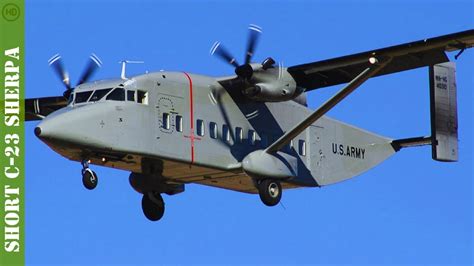
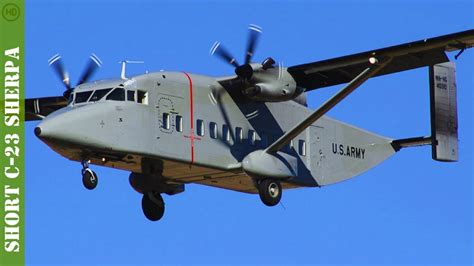
Freighter configurations such as the 360-300F catered to the cargo niche, capitalizing on the aircraft’s spacious fuselage. Meanwhile, the C-23 Sherpa B+ and C-23C served in the United States Army and Venezuelan military, reconfigured with specialized avionics and modifications for rugged tactical transport.
Cabin and Passenger Experience
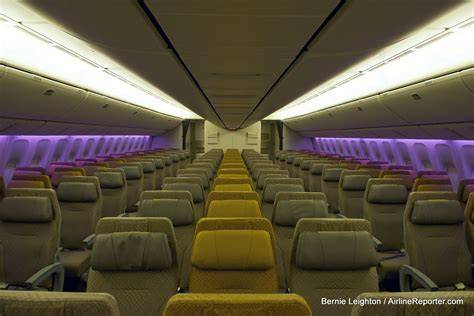
The cabin layout of the Shorts 360 was unconventional yet functional. The aircraft’s seating arrangement featured two seats on the starboard side and one on the port, optimizing aisle width while preserving passenger capacity. Windows were large and spaced generously, contributing to a well-lit interior.
Although the aircraft was not renowned for luxury, it provided practical comfort on short regional hops. A low cabin noise level and relatively smooth ride were aided by the aircraft’s high wing and advanced turboprop engines.
Performance Profile
The Shorts 360 carved a niche among regional operators seeking a reliable aircraft with solid performance in austere environments. Its cruise speed of approximately 215 knots (330 km/h) made it competitive on short segments, and its short-field performance allowed it to operate on runways as short as 4,500 feet. This flexibility was especially valuable in emerging markets and remote regions.
In terms of environmental compliance, the aircraft met ICAO Stage 3 noise regulations, which helped extend its operational life in noise-sensitive areas such as European city airports.
Key Specifications (Shorts 360-300):
-
Crew: 3
-
Passenger Capacity: 36 (standard configuration)
-
Length: 21.58 m
-
Wingspan: 22.81 m
-
Height: 7.21 m
-
Wing Area: 42.09 m²
-
Empty Weight: 7,870 kg
-
Max Takeoff Weight: 12,292 kg
-
Powerplant: 2 × Pratt & Whitney Canada PT6A-65AR (1,424 shp each)
-
Cruise Speed: 330 km/h (215 knots)
-
Maximum Speed: 404 km/h
-
Range: 1,595 km
-
Service Ceiling: 6,100 m
Global Operators and Regional Popularity
From the early 1980s through the late 1990s, the Shorts 360 served with regional airlines across the UK, Europe, North America, Asia, and Oceania. Its sturdy design, straightforward maintenance, and low operating costs made it popular among smaller carriers who needed dependable aircraft for thin routes.
By 1998, over 110 aircraft remained in service, though that number declined steadily into the 21st century. As of 2017, only 42 units were still flying, most of them in freight or military roles.
In military service, the Shorts 360 distinguished itself in tactical operations. The C-23 Sherpa, particularly, served in logistical support missions in remote theaters such as Afghanistan, where its performance in rough conditions was vital.
Operational Safety and Incidents
While the Shorts 360 has a solid safety reputation, it has been involved in 15 hull-loss incidents over its operational life. Several of these accidents stemmed from weather conditions, such as the 1986 Aer Lingus crash attributed to severe icing. The Philippine Airlines Flight 443 crash in 1987 resulted in 15 fatalities and marked one of the most tragic losses for the type.
Other notable incidents include:
-
A runway overrun in Enshi, China (1985)
-
Destruction of the prototype by a bomb explosion in Belfast (1989)
-
A 2004 Venezuelan Air Force crash with 30 fatalities
In more recent years, incidents in 2006, 2012, 2014, and as late as 2021 highlight the importance of maintaining aging aircraft with updated safety systems. Nevertheless, when properly maintained, the Shorts 360 remains a reliable platform.
Legacy and Survivability
The Shorts 360 is emblematic of a bygone era in aviation where ruggedness and simplicity were paramount. Though now largely absent from major airports, it continues to serve in niche freight operations and military logistics roles. Some airframes have been preserved in museums or continue operating in developing regions where its short-field performance remains unmatched.
Its legacy lies in its practical design, economic efficiency, and versatile airframe, which made it one of the few aircraft of its class to transition successfully between civilian and military applications. In an age increasingly dominated by jets and advanced avionics, the Shorts 360 endures as a symbol of rugged utility and enduring design philosophy.
Frequently Asked Questions
What is the difference between the Shorts 330 and the Shorts 360?
The Shorts 360 is a stretched and aerodynamically refined version of the Shorts 330. It offers a higher passenger capacity (up to 39), reduced drag, and more efficient performance, particularly in its -300 series variant.
Is the Shorts 360 still in use today?
While no longer in widespread commercial service, a number of Shorts 360 aircraft remain active in freight and military roles, particularly in North America and South America. As of 2017, about 42 units were still operational.
What made the Shorts 360 suitable for military transport?
Its high-wing design, fixed gear, spacious fuselage, and ability to operate from short, rough runways made it ideal for tactical military operations. Variants such as the C-23 Sherpa were specially modified for cargo and troop transport in harsh conditions.