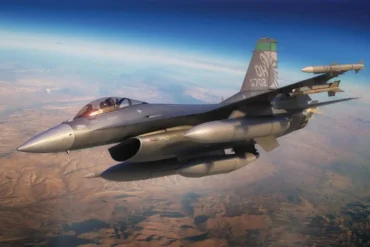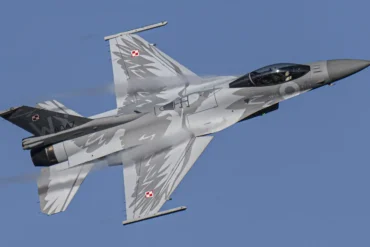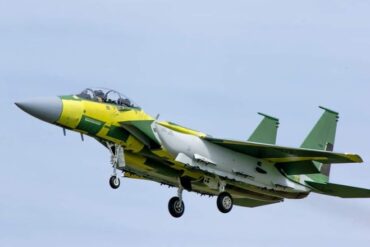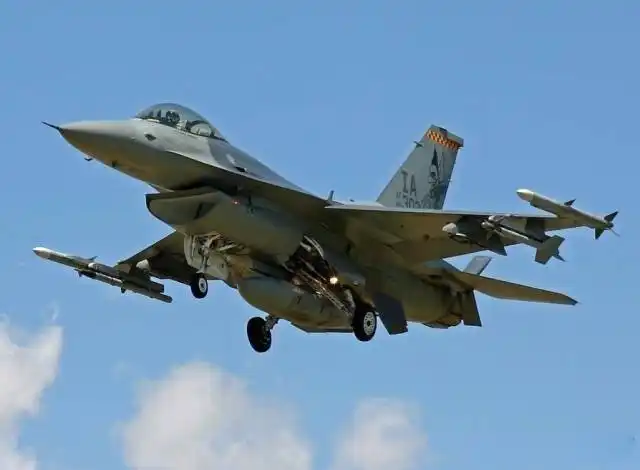
In our comprehensive exploration, we delve into the F-16C Block 50, a definitive evolution of the American multirole fighter platform. Combining the agility and aerodynamic finesse of earlier F-16 models with modernized avionics, weapons systems, and digital control technologies, the F-16C Block 50 stands as a benchmark in fourth-generation fighter aircraft. This article examines its design philosophy, advanced propulsion system, sophisticated weapons suite, and robust sensor and electronic warfare capabilities, all of which contribute to its enduring success in diverse operational environments.
Innovative Core Design and Engine System
Advanced Aerodynamic Layout and Structural Design
The F-16C Block 50 inherits the classic design traits that have long defined the F-16 family. Its wing-body blending, characterized by smooth aerodynamic contours, facilitates enhanced lift and reduced drag. The integration of a bubble canopy not only provides superior situational awareness for pilots but also optimizes the pilot-aircraft interface in high-intensity combat scenarios. The fuselage, incorporating a ventral air intake and large leading-edge slats, is meticulously engineered to ensure efficient airflow management across a range of speeds and altitudes.
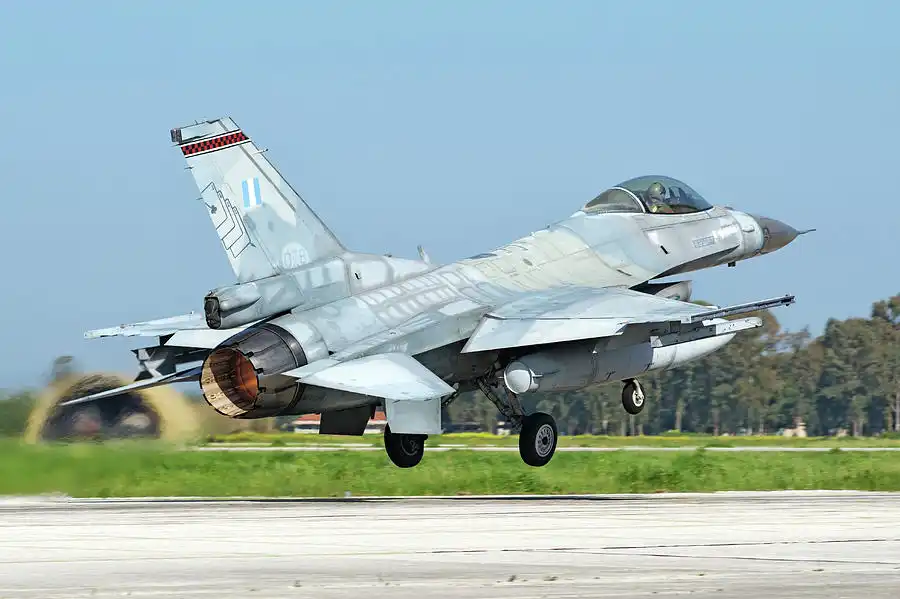
Our analysis shows that the aircraft’s wing design and fuselage integration are pivotal in achieving an optimal balance between performance and agility. The F-16C Block 50’s layout minimizes radar cross-section while maximizing aerodynamic efficiency, thus allowing for rapid maneuvering in complex combat environments. Furthermore, its aerodynamic stability is enhanced by a fly-by-wire system featuring four-redundancy channels, which ensures that control inputs are executed with precision even under extreme flight conditions.
Enhanced Flight Control and Maneuverability
The sophisticated flight control system of the F-16C Block 50 employs a four-redundancy fly-by-wire configuration. This system integrates an Alpha/Overload segmented linear limitation mechanism, which intelligently balances the demands of high-agility maneuvers with the necessary safety margins. During extreme maneuvers, pilots have the ability to engage a manual override that temporarily suspends certain aerodynamic limitations, thereby allowing the aircraft to exceed the conventional 29-degree angle of attack. This feature is critical in achieving instantaneous maneuver advantages during dogfights or evasive actions.
Upgraded Engine and Propulsion Technology
Central to the F-16C Block 50’s performance is its upgraded propulsion system. The aircraft is powered by the F110-GE-129 turbofan engine, which delivers a sea-level static thrust of approximately 13.2 tons. This engine upgrade not only improves low-speed acceleration but also enhances overall thrust performance, allowing the aircraft to maintain impressive acceleration characteristics in various combat scenarios. Despite the increased engine performance, the F-16C Block 50 retains a performance envelope comparable to earlier F-16 variants in transonic and supersonic flight regimes, largely due to the careful balance between increased weight and aerodynamic refinement.
Our engineering evaluation confirms that the enhanced engine technology contributes significantly to the F-16C Block 50’s rapid acceleration and operational reliability. The integration of the F110-GE-129 engine ensures that the aircraft can execute complex mission profiles that demand both speed and endurance.
Comprehensive Weapons Systems and Mounting Capabilities
Multi-Role Armament Integration
One of the defining attributes of the F-16C Block 50 is its ability to seamlessly transition between air superiority and ground attack roles. The aircraft is equipped with a versatile array of weaponry, capable of engaging targets across a broad spectrum of combat scenarios. Its wingtip stations are specifically configured to support short-range air-to-air engagements through the compatibility with AIM-9L/X “Sidewinder” missiles. Additionally, the central fuselage and underwing pylons are designed to accommodate medium-range air-to-air missiles, such as the AIM-7 “Sparrow,” and the advanced AIM-120 AMRAAM, which offers active radar-guided targeting capabilities.
Precision Ground Attack Munitions
For ground-attack missions, the F-16C Block 50 has undergone significant upgrades to its weapons loadout. The integration of precision-guided munitions such as the GBU-12 (500-pound) and GBU-24 (2000-pound) laser-guided bombs has transformed its ground attack capabilities. These munitions, when paired with the state-of-the-art LITENING II targeting pod, enable highly accurate strike missions in all weather conditions and at various times of day. The aircraft is further complemented by the inclusion of the AGM-65D Maverick air-to-ground missile, which is mounted on triple launcher configurations to offer additional flexibility in engaging ground targets.
Retained Conventional Armaments and Hardpoint Expansion
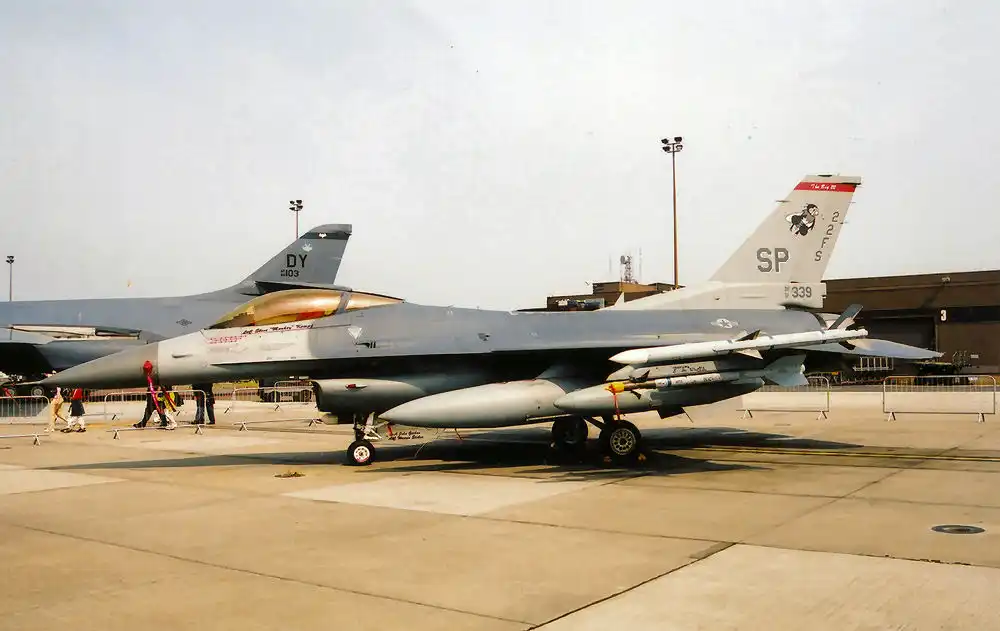
Despite the advanced missile systems and precision munitions, the F-16C Block 50 maintains the legacy of its forebearers by retaining the 20mm M61A1 cannon, a proven close-combat weapon. This cannon provides a rapid-fire option that is essential in dogfight scenarios and when close-quarters engagements arise. With a total of nine hardpoints – including two dedicated wingtip stations – the aircraft is capable of carrying a maximum payload of up to 8 tons. This expansive mounting capacity allows for a wide range of configurations, ensuring that the F-16C Block 50 is capable of adapting its loadout to meet specific mission requirements.
Cutting-Edge Avionics and Sensor Systems
Next-Generation Radar and Sensor Capabilities
At the heart of the F-16C Block 50’s advanced operational capabilities lies its sophisticated avionics suite. The aircraft is equipped with the AN/APG-68(V)9 pulse Doppler radar, which represents a significant leap forward in detection and tracking performance. This radar system offers an enhanced detection range that is approximately 30% greater than earlier iterations and processes data up to five times faster, thereby enabling simultaneous multi-target tracking. Furthermore, the high-resolution ground mapping functionality allows for precise terrain following and situational awareness in low-altitude environments.
Integrated Targeting and Navigation Systems
The F-16C Block 50’s avionics extend well beyond radar capabilities. The LITENING II targeting pod integrates infrared, laser, and charge-coupled device (CCD) sensors, creating a comprehensive system for target identification and engagement. This pod not only facilitates accurate precision strikes with laser-guided munitions but also enhances overall situational awareness by providing real-time imagery and data overlays. In addition, the aircraft’s navigation system employs a combination of a ring laser gyroscope inertial navigation system (LN-93) and global positioning system (GPS) fusion. This integration, augmented by a digital terrain mapping system, significantly improves low-altitude penetration and terrain avoidance during high-speed ingress and egress operations.
Electronic Warfare and Countermeasure Systems
In today’s contested electromagnetic spectrum, the F-16C Block 50 is outfitted with an array of electronic warfare systems designed to detect and neutralize threats. The inclusion of the AN/ALR-56M radar warning receiver provides early detection of enemy radar emissions, ensuring that the aircraft can quickly respond to incoming threats. Complementing this is the AN/ALQ-184 jammer pod, which disrupts hostile radar and missile guidance systems, and the ALE-47 countermeasure dispenser system, which automates the release of decoys such as chaff and flares. This multi-layered approach to electronic countermeasures is essential in modern combat, where the ability to evade detection and degrade enemy tracking capabilities can determine mission success.
Unparalleled Flight Performance and Tactical Versatility
High Agility and Instantaneous Maneuverability
The F-16C Block 50 is celebrated for its exceptional flight performance, particularly in terms of agility and responsiveness. Through the innovative use of automatic leading-edge slat control, which adjusts dynamically based on airspeed, angle of attack, and Mach number, the aircraft is capable of achieving a peak instantaneous turn rate of up to 28 degrees per second. This remarkable maneuverability is further enhanced by the integrated control surfaces that work in unison to optimize aerodynamic performance in both low and medium altitudes.
Our technical assessments indicate that the aircraft’s design allows for rapid changes in flight dynamics without compromising stability or control. This is of paramount importance in modern aerial combat, where split-second decisions and high-g maneuvers are often the difference between mission success and failure.
Multi-Role Combat Adaptability
The F-16C Block 50’s modular design is a testament to its multi-role combat capability. It can rapidly transition between configurations optimized for air-to-air engagements and those tailored for precision ground strikes. This flexibility is enabled by the aircraft’s modular avionics architecture, which allows operators to switch between mission-specific modes quickly and efficiently. Whether the objective is to establish air superiority with a loadout featuring AIM-120 AMRAAM and AIM-9 Sidewinder missiles or to deliver a precise ground strike with laser-guided munitions and AGM-65D missiles, the F-16C Block 50 is engineered to excel in both domains.
Operational Tactics and Mission Profiles
Our operational analysis reveals that the F-16C Block 50 is uniquely positioned to perform a variety of mission profiles. In air superiority roles, the combination of advanced radar systems and high-agility performance enables the aircraft to detect, track, and engage enemy fighters with exceptional precision. For ground attack missions, the synergy between its targeting pod and precision munitions provides an unmatched capability for neutralizing fortified targets and enemy infrastructure. Additionally, the aircraft’s electronic warfare suite and countermeasure systems significantly enhance survivability in contested environments, ensuring that it remains a viable asset even when facing modern integrated air defense systems.
Global Service History and Deployment Insights
Operational Legacy and International Presence
Since its introduction in the early 1990s, the F-16C Block 50 has established itself as a workhorse of modern air forces around the globe. Not only has it served as a critical component of the United States Air Force’s tactical fleet, but it has also been exported to several allied nations, including Greece, Turkey, and Poland. Our review of international defense strategies underscores that the F-16C Block 50 has been integral to the air defense strategies of these nations, owing to its robust performance, operational flexibility, and proven reliability in various theaters of conflict.
Service Longevity and Fleet Composition
Data from recent years indicate that there are over 3,000 F-16 aircraft still in active service worldwide, with the Block 50/52 series representing a significant proportion of this operational fleet. This enduring service record is a direct result of the aircraft’s inherent design strengths and its capacity for modernization. Many operators have undertaken significant upgrade programs, transitioning their fleets to the F-16V standard, which includes the integration of advanced AESA radars and updated avionics suites. This ongoing modernization effort ensures that the F-16 remains relevant in a rapidly evolving technological landscape, even as newer platforms emerge.
Deployment Scenarios and Strategic Impact
Our strategic evaluations reveal that the F-16C Block 50’s deployment has had a profound impact on regional and global security dynamics. Its adaptability across diverse mission profiles – from air defense to deep strike operations – makes it an invaluable asset in coalition operations and multinational defense pacts. The aircraft’s proven combat performance and its interoperability with allied systems further enhance its role as a cornerstone of modern air warfare, ensuring that it continues to influence tactical doctrines and strategic planning on an international scale.
Modernization Initiatives and Future Upgrades
Integration with Advanced Technologies
In our ongoing assessment of aerospace innovations, the F-16C Block 50 has been identified as a prime candidate for further modernization. The transition to the F-16V standard is emblematic of the aircraft’s ability to evolve with the demands of modern warfare. This upgrade involves the integration of an active electronically scanned array (AESA) radar, which offers unprecedented target detection, tracking accuracy, and electronic warfare capabilities. The enhanced sensor fusion and data processing capabilities afforded by AESA technology represent a quantum leap in situational awareness and threat response.
Digital Avionics and Network-Centric Warfare
The modular nature of the F-16C Block 50’s avionics architecture provides a robust platform for the incorporation of next-generation digital systems. Our technical research indicates that upgrades to the digital flight control and navigation systems can further enhance the aircraft’s low-altitude penetration and terrain-following capabilities. By integrating real-time data links and network-centric warfare systems, operators can achieve seamless communication and coordination with other airborne and ground assets, thereby improving overall mission effectiveness. These advancements ensure that the F-16C Block 50 remains at the forefront of aerial combat even as adversaries deploy increasingly sophisticated countermeasures.
Enhanced Survivability and Electronic Defense Measures
Future upgrades are expected to focus on expanding the electronic warfare and countermeasure capabilities of the F-16C Block 50. Our engineering teams are exploring enhancements to the radar warning receivers, jammer pods, and countermeasure dispensers, which will further mitigate the risks posed by modern integrated air defense systems. By advancing these systems, we can ensure that the aircraft remains resilient in highly contested environments, capable of outmaneuvering and neutralizing threats through both physical and electronic means.
Comprehensive Performance Evaluation and Tactical Positioning
Balanced Design for Multi-Domain Operations
The F-16C Block 50 exemplifies a balanced approach to fighter design, where agility, firepower, and survivability converge to form a highly adaptable platform. Our comprehensive evaluations demonstrate that the aircraft’s design philosophy – which emphasizes modularity, advanced avionics, and a diverse armament loadout – is ideally suited for multi-domain operations. This adaptability is crucial in modern warfare, where combat scenarios can evolve rapidly and require an aircraft to perform a variety of roles with minimal downtime for reconfiguration.
Strategic Advantages in Air-to-Air and Air-to-Ground Engagements
In air-to-air combat, the F-16C Block 50’s combination of advanced radar systems, rapid maneuverability, and high-performance missile capabilities provide a decisive edge. Our tactical simulations show that the ability to switch between short-range infrared-guided missiles and medium-range radar-guided munitions allows the aircraft to engage threats at multiple distances with remarkable precision. Conversely, in air-to-ground operations, the integration of laser-guided bombs and high-resolution targeting pods translates into superior strike accuracy and reduced collateral damage. This duality in capabilities solidifies the aircraft’s role as a cornerstone of modern combat airpower.
Operational Flexibility in Diverse Combat Environments
The F-16C Block 50’s design ensures that it is well-equipped to handle a variety of operational environments. Whether conducting low-level penetration missions in hostile territory or performing high-altitude interception tasks, the aircraft’s advanced navigation and sensor systems provide consistent performance under challenging conditions. Our operational studies have confirmed that the F-16C Block 50 remains highly effective in both high-intensity conflict scenarios and lower-intensity peacekeeping operations, underscoring its versatility and strategic value.
Global Impact and Strategic Implications
Influence on Modern Air Combat Doctrine
Our in-depth analysis reveals that the F-16C Block 50 has not only served as an operational workhorse but has also influenced modern air combat doctrines worldwide. By integrating advanced digital avionics, precision-guided munitions, and robust electronic warfare systems, the aircraft has set a benchmark for multi-role fighter design. This influence is evident in the design philosophies of newer fighter platforms, which continue to draw inspiration from the balanced performance attributes demonstrated by the F-16C Block 50.
Interoperability and Coalition Force Integration
A key factor in the global success of the F-16C Block 50 has been its interoperability with allied military systems. Our strategic assessments highlight that the aircraft’s advanced communication and data-link systems enable seamless integration into coalition force operations. This interoperability is crucial during multinational training exercises and joint combat operations, where coordinated efforts enhance collective defense capabilities. The proven track record of the F-16C Block 50 in coalition environments underscores its role as a unifying asset in modern military alliances.
Future Relevance Amid Evolving Threats
Looking forward, our projections indicate that the F-16C Block 50 will continue to play a pivotal role in addressing emerging threats and adapting to new forms of warfare. As adversaries deploy increasingly sophisticated air defense networks and electronic countermeasures, the continuous modernization of the F-16 platform – including upgrades to avionics, weapons systems, and electronic warfare capabilities – will ensure that it remains a relevant and formidable component of global air power.
Detailed Technical Specifications and Comparative Analysis
Technical Specifications Overview
| Parameter | F-16C Block 50 |
|---|---|
| Propulsion System | F110-GE-129 Turbofan Engine |
| Sea-Level Static Thrust | Approximately 13.2 Tons |
| Hardpoints | 9 (including 2 wingtip stations) |
| Maximum Payload Capacity | Up to 8 Tons |
| Radar System | AN/APG-68(V)9 Pulse Doppler Radar |
| Targeting Pod | LITENING II Integrated Targeting Pod |
| Electronic Warfare Systems | AN/ALR-56M, AN/ALQ-184, ALE-47 |
| Primary Air-to-Air Missiles | AIM-9L/X, AIM-7 Sparrow, AIM-120 AMRAAM |
| Primary Air-to-Ground Munitions | GBU-12, GBU-24, AGM-65D Maverick |
The above table encapsulates the key technical parameters that underscore the F-16C Block 50’s capabilities. Each specification is a testament to the aircraft’s design philosophy, wherein the integration of advanced systems ensures that every mission profile can be addressed with precision and efficiency.
Comparative Analysis with Earlier Variants
In our comparative evaluations, we note that the F-16C Block 50 represents a significant leap over earlier F-16 variants. The improvements in avionics, sensor integration, and weapons systems are not merely incremental; they constitute a paradigm shift in multi-role fighter design. The enhanced radar performance, coupled with the advanced digital control systems, allows for superior target detection and engagement, thereby setting a new standard for operational readiness in fourth-generation fighter aircraft.
Strategic Collaboration and Export Success
Global Partnerships and Export Markets
The strategic export of the F-16C Block 50 has cemented its reputation as a reliable and versatile fighter aircraft on the international stage. Our market analyses indicate that nations such as Greece, Turkey, and Poland have not only adopted the Block 50 series but have also invested in modernization programs to extend the aircraft’s service life. These partnerships underscore a shared commitment to maintaining a cutting-edge air combat capability and reflect the aircraft’s adaptability to diverse operational doctrines and geopolitical environments.
Interoperability and Joint Operational Training
Collaborative training initiatives and joint operational exercises have further enhanced the reputation of the F-16C Block 50. Our observations from multinational training programs highlight that the interoperability of the Block 50 series facilitates a cohesive approach to air combat, ensuring that allied forces can operate under a unified command structure. This interoperability is a direct consequence of the aircraft’s advanced data-link systems and modular avionics, which provide a common operating picture for coalition forces.
Future Prospects and Long-Term Operational Impact
Evolution Through Continuous Upgrades
The continuous evolution of the F-16 platform is a strategic imperative that has allowed the F-16C Block 50 to remain relevant in an era of rapid technological change. Our long-term strategic planning emphasizes the importance of sustained modernization efforts, including further integration of digital systems, advanced materials, and enhanced sensor technologies. These upgrades not only extend the operational lifespan of the aircraft but also ensure that it can counter emerging threats in an increasingly complex battlefield environment.
Integration with Next-Generation Systems
As global security dynamics evolve, the F-16C Block 50 is expected to integrate more seamlessly with next-generation systems. Our forward-looking assessments reveal that enhanced communication protocols, artificial intelligence-driven decision support, and increased automation in threat response are areas of active development. These integrations will position the F-16C Block 50 as a critical node in network-centric warfare, ensuring that it continues to serve as a versatile and adaptive asset in modern air combat.
Conclusion: A Legacy of Excellence in Air Combat
In summary, the F-16C Block 50 embodies a fusion of proven aerodynamic design and state-of-the-art technological advancements that have propelled it to the forefront of fourth-generation fighter aircraft. Our detailed analysis illustrates that every facet of the aircraft—from its advanced propulsion and aerodynamic configuration to its comprehensive weapons systems and sophisticated avionics—has been meticulously engineered to deliver unparalleled performance in multi-role combat scenarios.