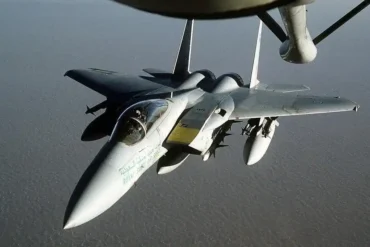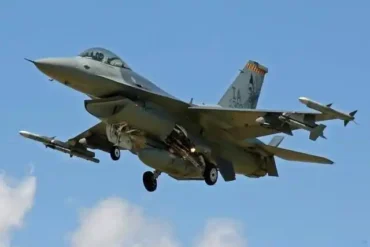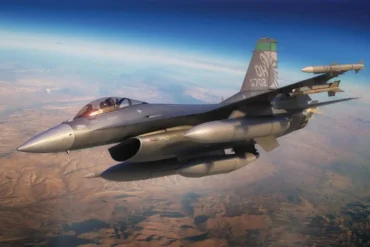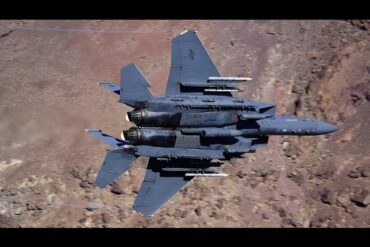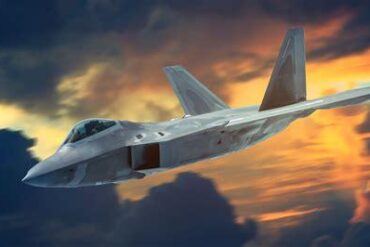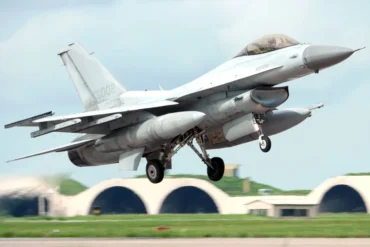
The transformation of Poland’s aerial combat capabilities is defined by the state-of-the-art F-16C/D Block 52+ jets. In 2006, Poland embarked on an ambitious modernization program, replacing outdated Soviet-era aircraft with advanced fighters that revolutionized its air defense and tactical capabilities. These multirole combat jets have become the backbone of Poland’s air force, integrating the latest in technology and operational strategy to ensure air superiority over Baltic airspace.
Poland’s strategic decision to invest in 48 F-16C/D aircraft marked a turning point in regional defense. The new jets, equipped with cutting-edge avionics and advanced engines, have not only enhanced the nation’s combat readiness but also cemented its commitment to NATO’s collective security. This fleet stands as a testament to Poland’s dedication to modern military standards and its capability to execute complex missions in diverse environments.
Acquisition and Modernization
Poland’s acquisition of the F-16C/D Block 52+ jets was a critical move aimed at phasing out legacy Soviet designs such as the MiG-29 and Su-22. The modern fleet has elevated the country’s tactical flexibility, delivering exceptional performance in all-weather conditions and multirole operations. With each aircraft boasting superior engine performance, robust avionics, and enhanced weapon systems, the fleet is well-equipped to counter emerging threats and adapt to dynamic operational challenges.
The procurement process was driven by the need to ensure that the Polish air force could participate effectively in NATO air policing missions. This strategic purchase has not only provided Poland with a competitive edge but also enabled seamless integration into joint exercises and operations with allied forces. The modern F-16 fleet symbolizes Poland’s forward-thinking approach to defense and its continuous efforts to align with the latest international military standards.
Key Features of the F-16C/D
Engine and Performance Enhancements
At the heart of Poland’s F-16C/D is the Pratt & Whitney F100-PW-229 engine. This engine delivers remarkable thrust and reliability, ensuring that the aircraft performs at peak efficiency even in the most demanding combat scenarios. The enhanced engine performance translates into improved acceleration, higher top speeds, and greater maneuverability, which are essential during aerial combat and interception missions.
Advanced Avionics and Radar Systems
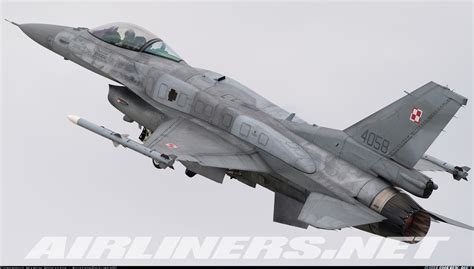
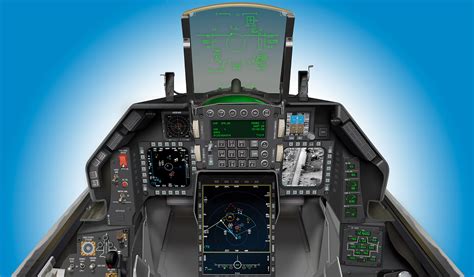
The incorporation of the AN/APG-68(V)9 radar system is one of the most critical technological advancements in these jets. This radar offers high-resolution detection and tracking, facilitating rapid target acquisition in contested airspaces. Alongside advanced targeting pods like the Litening system, the F-16C/D is capable of executing precise strikes with unmatched accuracy. The radar system’s capability to integrate with NATO-standard weaponry—including AIM-120 AMRAAM missiles and JDAMs—further enhances its operational effectiveness on the modern battlefield.
Weapon Systems and Integration
The F-16C/D’s armament is tailored for versatility. The aircraft is compatible with a range of precision-guided munitions that empower pilots to engage targets effectively, whether during close air support or deep strike missions. The integration of Link 16 datalinks and advanced electronic warfare systems enables real-time battlefield communication and situational awareness, ensuring that every sortie is executed with strategic precision. The upgrade paths also include compatibility with JASSM-ER cruise missiles, which significantly expand the strike envelope for long-range engagements.
Operational Role and Tactical Deployment
NATO Air Policing and Joint Exercises
Poland’s F-16C/D fleet plays a crucial role in NATO air policing missions. These jets are frequently deployed to safeguard the airspace over the Baltic region, demonstrating Poland’s commitment to the collective security of the alliance. Their participation in exercises such as Baltic Air Policing and NATO Tiger Meet underscores their operational versatility and reliability. The F-16s not only secure airspace but also serve as a deterrent against potential adversaries, ensuring regional stability.
Strategic Deterrence and Regional Security
The presence of advanced F-16C/D fighters in Poland sends a clear message of strength and readiness. Given the country’s proximity to geopolitical flashpoints involving Russia and Belarus, the F-16 fleet is instrumental in maintaining a robust deterrence posture. The aircraft’s ability to execute rapid response maneuvers and deploy a diverse array of weaponry contributes significantly to the security architecture of Eastern Europe.
Dynamic Combat Readiness
The F-16C/D jets are engineered to operate in complex combat environments. Their multirole capability allows them to switch seamlessly between air superiority missions and ground attack operations. This flexibility is vital in scenarios where rapid adaptation is required. The integration of advanced electronic warfare capabilities further ensures that these fighters remain resilient against modern countermeasures, reinforcing their tactical advantage in any conflict.

State-of-the-Art Upgrades
Enhanced Communication and Data Systems
To maintain technological parity with emerging threats, Poland has continuously upgraded its F-16 fleet. One of the most significant enhancements has been the integration of Link 16 datalinks. These secure communication channels allow for real-time data sharing among allied forces, dramatically improving situational awareness and enabling coordinated responses during combat operations. This digital connectivity is a cornerstone of modern aerial warfare, ensuring that Polish pilots have the most up-to-date tactical information at their fingertips.
Modern Electronic Warfare Systems
The modernized F-16s are equipped with advanced electronic warfare (EW) systems designed to counter enemy radar and communication networks. These systems disrupt hostile electronic signals and provide a layer of defense against missile threats. The EW upgrades are complemented by the installation of new avionics packages that improve threat detection and neutralization. This modernization ensures that the F-16 remains effective even against sophisticated enemy countermeasures.
Long-Range Strike Capabilities
In addition to enhanced air-to-air combat performance, Poland’s F-16s have been upgraded to support long-range strike missions. The compatibility with JASSM-ER cruise missiles extends the operational reach of the fleet, allowing it to engage targets at considerable distances. This upgrade is a game-changer, as it provides the Polish air force with the ability to project power deep into contested territories, further solidifying its role as a key player in regional security.
Distinctive Livery and Tactical Schemes
Standard Tactical Camouflage
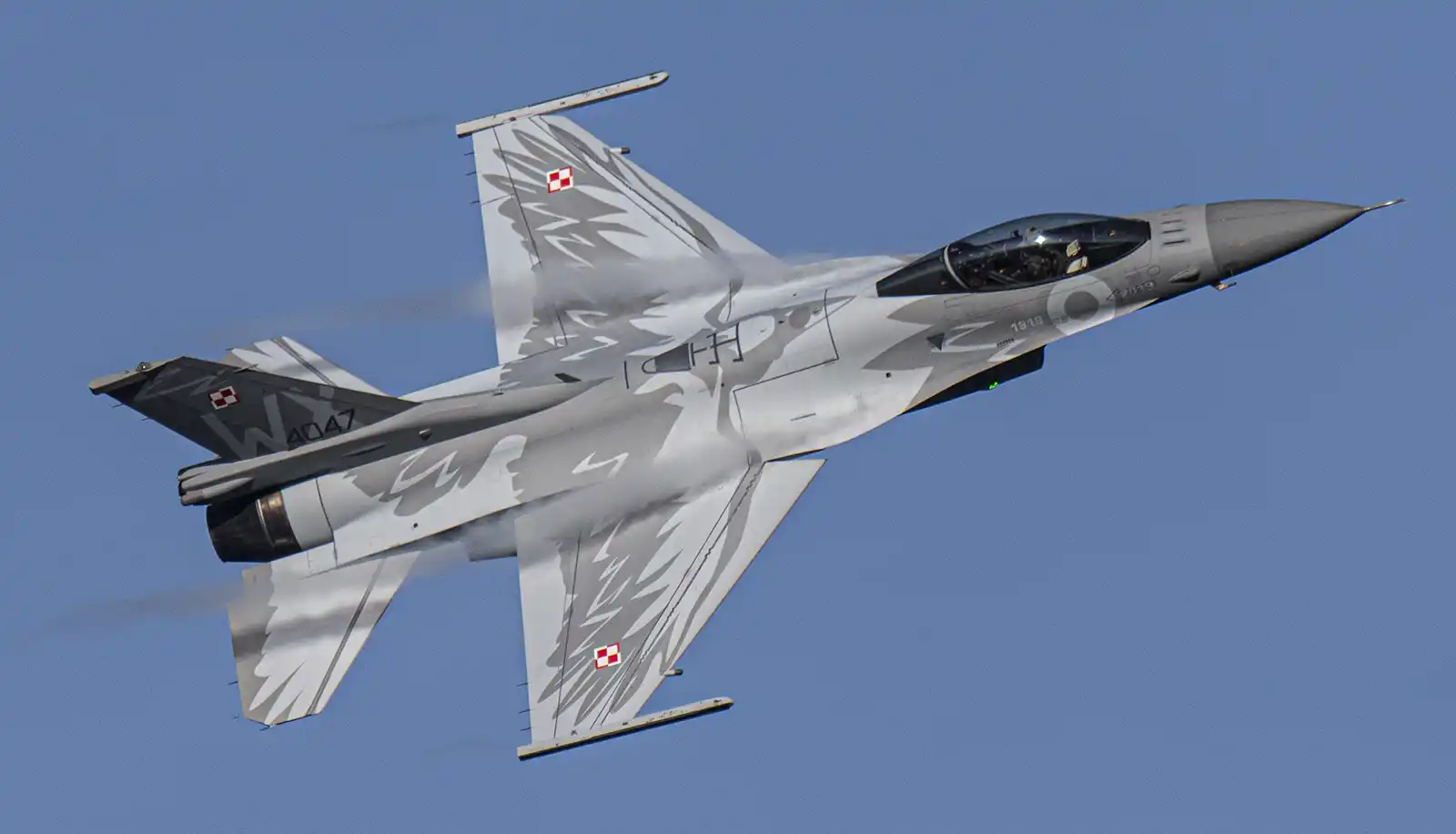
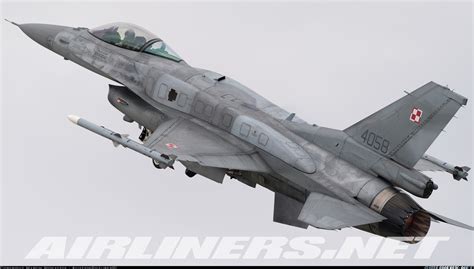
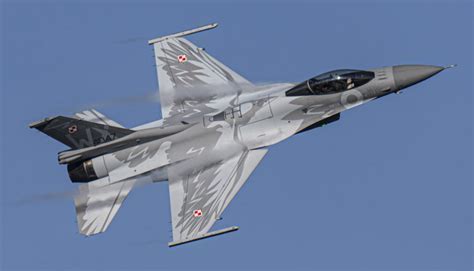
The typical appearance of Poland’s F-16C/D is defined by a gray tactical camouflage that blends seamlessly with various operational theaters. This standard livery is not merely for aesthetics; it plays a critical role in reducing the aircraft’s visibility during night operations and in adverse weather conditions. The neutral palette ensures that the fighter remains less detectable to enemy radar and visual systems, thereby enhancing its survivability.
Special Event Liveries
On notable occasions, such as the 100th Anniversary of Polish Independence in 2018, select F-16s have sported unique liveries. One standout design features a striking red-and-white checkerboard tail, symbolizing national pride and historical heritage. These special markings not only commemorate important national milestones but also serve as a visual reminder of Poland’s enduring commitment to excellence in air defense.
Rigorous Maintenance and Operational Upkeep
Precision in Maintenance
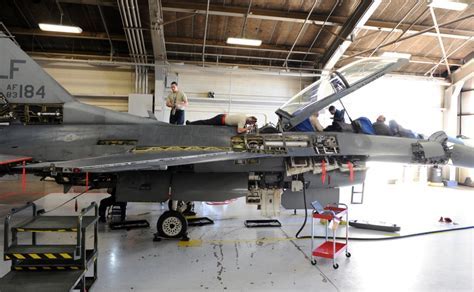
Beyond their technological sophistication, Poland’s F-16C/D fighters require meticulous upkeep to maintain peak performance. The term “polish” in this context extends beyond aesthetics—it embodies the rigorous maintenance protocols that ensure each jet operates flawlessly. Regular inspections, detailed servicing routines, and state-of-the-art repair facilities are fundamental to preserving the integrity of the fleet. This disciplined approach to maintenance is crucial for sustaining the operational readiness of the aircraft over extended service lives.
Collaborative Support Systems
The maintenance of Poland’s F-16 fleet is bolstered by robust partnerships with U.S. and NATO support systems. These collaborations ensure that Polish technicians have access to the latest technical data, replacement parts, and expert guidance. The synergy between domestic maintenance teams and international defense partners guarantees that the jets are kept at the forefront of technological and operational standards. This integrated support network is a cornerstone of the fleet’s reliability and efficiency.
Future Prospects and Integration with F-35
Complementary Modernization with F-35 Integration
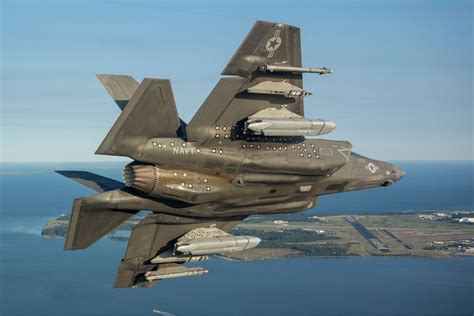
Looking ahead, Poland is preparing for a seamless transition into the next generation of aerial warfare with the acquisition of F-35 Lightning II stealth fighters. Ordered in 2020, the F-35s are set to complement the F-16 fleet by bringing stealth capabilities and additional technological advancements to the table. This dual-fighter approach allows Poland to leverage the strengths of both platforms—maintaining the versatility of the F-16 while integrating the cutting-edge stealth and sensor technologies of the F-35.
Prospective Upgrades to Extend Service Life
In parallel with the introduction of F-35s, Poland is exploring further upgrades for its existing F-16C/D fleet. Future enhancements may include the integration of AESA radars, which offer superior target tracking and electronic countermeasure capabilities. Enhanced networking capabilities are also on the agenda, ensuring that every jet remains seamlessly connected to the broader command and control architecture. These upgrades will not only extend the operational life of the F-16s but also ensure they remain formidable assets in any future conflict scenario.
Strategic Impact on Regional and Global Defense
The modernized F-16C/D fleet stands as a symbol of Polish resilience and strategic foresight. In a region marked by evolving geopolitical challenges, these jets provide a crucial layer of defense and act as a deterrent to potential adversaries. Their advanced capabilities enable Poland to participate decisively in multinational operations and contribute significantly to the security of Eastern Europe. The F-16s’ proven performance in NATO exercises further underscores their value as an integral component of the alliance’s air defense strategy.
Polish pilots operate with a high degree of skill and professionalism, leveraging the sophisticated systems aboard these aircraft to execute complex missions with precision. Their training, combined with the state-of-the-art features of the F-16, ensures that Poland is well-prepared for any eventuality, whether it involves intercepting hostile aircraft or conducting rapid response operations during emergencies.
The presence of these advanced fighters also strengthens Poland’s diplomatic and military ties with key allies. By maintaining a modern and capable fleet, Poland not only enhances its national defense but also bolsters its role as a reliable partner in international security arrangements. This strategic posture is vital for fostering cooperation and ensuring collective stability in a rapidly changing global environment.
Conclusion
The evolution of Poland’s F-16C/D fleet epitomizes military innovation and unwavering commitment to national defense. From the initial acquisition in 2006 to the continuous upgrades that have enhanced its performance and versatility, every aspect of the F-16 program reflects meticulous planning and advanced engineering. With robust maintenance protocols, strategic operational roles, and future integration with F-35 stealth fighters, Poland has solidified its position as a formidable force in both regional and global air defense. The blend of modern technology, rigorous upkeep, and international cooperation ensures that these jets remain at the pinnacle of aerial combat capabilities, safeguarding Poland’s airspace and contributing to the broader security of NATO.
FAQ
What makes Poland’s F-16C/D fleet unique compared to other nations’ fleets?
Poland’s F-16C/D fleet stands out due to its comprehensive modernization efforts that include advanced avionics, enhanced engines, and state-of-the-art weapon systems. The integration of Link 16 datalinks and the compatibility with a wide range of NATO-standard weapons further contribute to its operational versatility and tactical superiority.
How does the modernization of F-16s impact Poland’s role in NATO air policing missions?
The modernization of the F-16s significantly boosts Poland’s air policing capabilities. With advanced radar systems, long-range strike capabilities, and sophisticated electronic warfare measures, the fleet enhances the security of Baltic airspace and solidifies Poland’s commitment to NATO’s collective defense strategy.
What future upgrades are planned for the F-16 fleet, and how will they complement the integration of F-35 fighters?
Future upgrades for the F-16 fleet include potential integration of AESA radars, enhanced networking systems, and further electronic warfare enhancements. These upgrades are designed to extend the operational life of the F-16s while ensuring seamless interoperability with the incoming F-35 Lightning II stealth fighters, thereby creating a diversified and robust aerial combat capability for Poland.