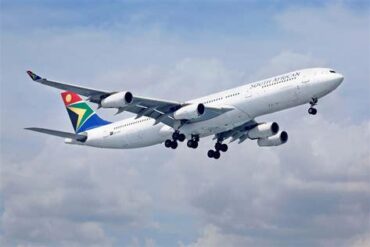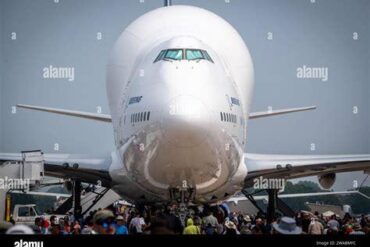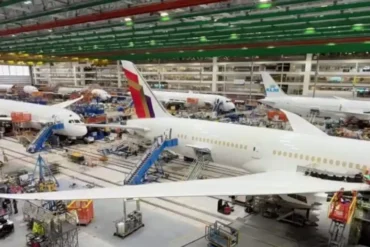
British Airways is making a bold strategic push in India, revitalizing its premium service offerings, bolstering long-haul fleet capabilities, and eyeing significant growth in cargo operations—all while doubling down on the nation’s value as a core aviation hub. With the return of first-class services from Mumbai to London Heathrow, British Airways signals not just a commercial move but a statement of luxury, ambition, and competitive dominance.
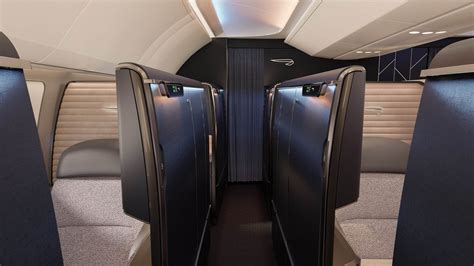
First-Class Luxury Returns to Mumbai-London Flights
After nearly five years, British Airways is reinstating its exclusive first-class cabins on the Mumbai–London route, beginning October. This highly anticipated move is not just a nod to high-value passengers but a carefully calculated strategy to strengthen the carrier’s standing among discerning international flyers. The reintroduction aligns with the airline’s commitment to elevate the customer journey and offer a more premium transcontinental flying experience.
British Airways’ first-class cabins are renowned for their refined elegance, privacy, and personal service. From luxurious fully flat beds and direct aisle access to gourmet dining and exclusive check-in areas, the carrier is meticulously targeting the affluent market, including business leaders, celebrities, and premium leisure travelers who demand a seamless, elite journey.
This marks a renewed confidence in the Indian market, particularly Mumbai, which has historically been a strong revenue generator for the airline.
Fleet Upgrades Fuel Long-Haul Ambitions
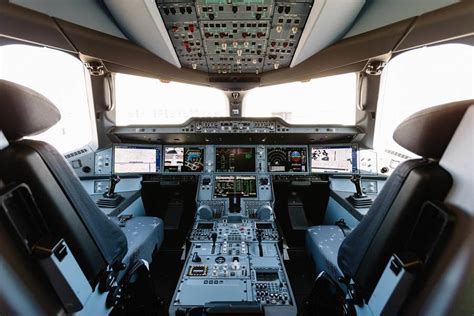
To meet rising demand and enhance service quality, British Airways is upgrading its long-haul fleet serving India with newer, more spacious wide-body aircraft. These aircraft, known for their extended range, fuel efficiency, and superior cabin comfort, will increase capacity on critical routes such as Mumbai–London and Delhi–London.
The addition of wide-body jets like the Boeing 787 Dreamliner and Airbus A350s to Indian routes not only allows for greater seat availability, especially in business and first class, but also helps reduce operational costs through improved fuel efficiency. This fleet modernization is an integral part of British Airways’ long-term commitment to enhancing passenger experience while progressing toward its sustainability objectives.
India Becomes Strategic Epicenter in British Airways’ Global Network
India is rapidly emerging as a priority market for British Airways. With a current operation of 56 weekly flights from five key Indian cities, including Mumbai, Delhi, Chennai, Bengaluru, and Hyderabad, the airline has established a robust footprint. Mumbai sees three weekly flights, while Delhi enjoys double-daily service—an indicator of strong and consistent passenger demand.
The airline’s India strategy is powered by more than numbers—it’s about future-proofing its position in a dynamic, high-growth region. As India’s international travel market continues to grow, British Airways is banking on increased connectivity and flexible travel options to capture a larger share of both business and leisure segments.
Cargo Operations Take Center Stage Amid Trade Optimism
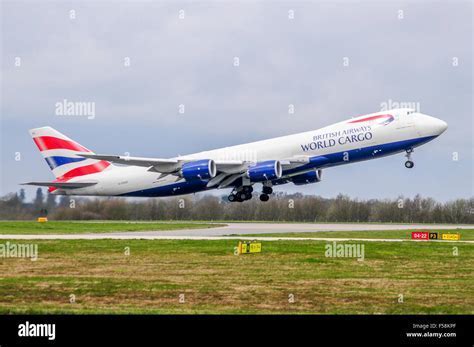
Beyond passenger service, British Airways is preparing for a boom in cargo operations between India and the UK, particularly in anticipation of a finalized India-UK Free Trade Agreement (FTA). The FTA is projected to open new corridors for bilateral trade, especially in pharmaceuticals, textiles, and engineering goods—sectors heavily reliant on timely and secure air freight.
British Airways Cargo has already positioned itself as a key facilitator in cross-border logistics, offering high-capacity freighter space on its long-haul routes. With upgraded aircraft and expanded routes, the airline is equipped to handle larger cargo volumes with faster turnaround times, offering Indian exporters a reliable gateway into the UK and broader European markets.
Strengthening Presence Through Premium Customer Experience
As competition intensifies, British Airways is sharpening its focus on differentiated service delivery across all classes. While the return of first-class cabins is the headline act, enhancements across economy, premium economy, and business class are also underway.
The airline’s Club World business class continues to evolve, featuring the Club Suite with direct aisle access, sliding doors for privacy, and 18.5-inch in-flight entertainment screens. These innovations, combined with elevated food and beverage services and improved lounge access in Indian airports, are designed to appeal to both frequent flyers and luxury travelers seeking value beyond price.
Local Connectivity and Flexible Booking Options Expand Market Reach
British Airways understands that convenience and choice are critical to Indian travelers. The airline is investing in increased frequency and route diversity, not just to London but across its broader European and North American network. As part of this initiative, British Airways Executive Club members can benefit from improved Avios redemption options, generous baggage allowances, and tiered loyalty rewards—especially appealing to long-haul repeat customers.
Additionally, with more flexible booking policies introduced post-pandemic, British Airways aims to provide peace of mind for both business and leisure travelers. Customers can change dates without penalties, select open-ended travel windows, and manage bookings seamlessly via the app or website.
Sustainability and Technology: Two Pillars of Long-Term Strategy
The airline’s aggressive India push is coupled with a clear focus on environmental responsibility and digital transformation. British Airways is deploying aircraft that emit less CO₂ per passenger kilometer, and the fleet upgrades include engines compliant with the latest international emission standards. This effort not only meets regulatory benchmarks but resonates with environmentally conscious Indian consumers.
Technology also plays a crucial role in this expansion. Enhanced mobile check-in features, biometric boarding processes, and AI-driven flight updates are designed to streamline the passenger experience. These efforts ensure that British Airways stays ahead of operational bottlenecks, reduces ground time, and enhances the overall efficiency of India-bound services.
Aligning with Market Trends and Passenger Behavior
India’s evolving air travel demographics are central to British Airways’ strategy. With a booming middle class, growing outbound tourism, and a surge in business travel post-COVID, the timing couldn’t be better. British Airways is tailoring its offerings to meet distinct regional needs, from multilingual in-flight services to meal preferences customized for Indian passengers.
Furthermore, the carrier’s collaboration with local service providers for ground handling, catering, and call center support ensures a localized and culturally familiar experience. This helps British Airways not only retain existing customers but also build brand affinity among first-time international travelers.
British Airways’ Strategic Outlook: India as a Gateway to Asia
The airline’s ambitions in India also reflect a larger Asia-Pacific vision. As regional carriers expand aggressively and demand for long-haul flights continues to surge, British Airways sees India as a strategic springboard into Southeast Asia and beyond. Connecting flights from London offer seamless links to North America, Europe, and Australia, making British Airways an attractive option for travelers from India looking for one-stop global access.
By growing its operations in India, British Airways is also future-proofing against regional volatility. With India’s regulatory environment becoming more favorable and infrastructure upgrades in major airports, the country represents a stable and scalable growth avenue.
Conclusion: A Clear Flight Path to Market Leadership
British Airways’ calculated investment in India reflects confidence, readiness, and ambition. The reinstatement of first-class service on the Mumbai-London route is more than symbolic—it underscores a broader blueprint to dominate the premium aviation space, align with shifting consumer behaviors, and tap into the surge of trade and travel between India and the UK.
By expanding capacity, modernizing its fleet, enhancing customer service, and aggressively pursuing cargo market opportunities, British Airways is not merely expanding—it’s evolving. In a market where customer expectations are rising and competition is fierce, the airline is executing a plan that combines luxury, technology, and operational excellence. The skies between India and the UK just became a lot more competitive—and British Airways is flying at the front of the formation.