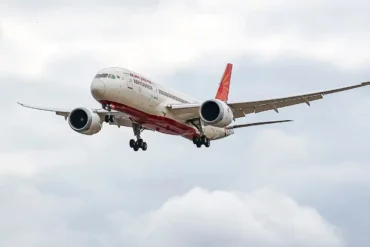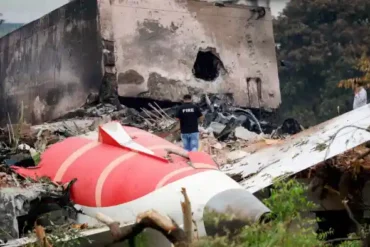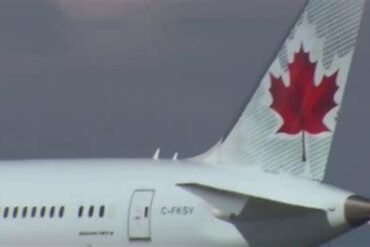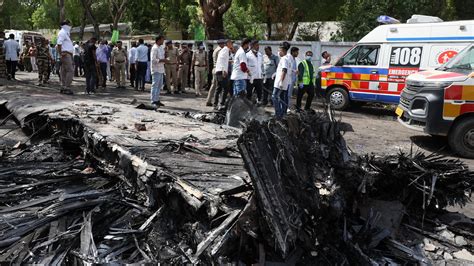
On June 12, 2025, the aviation industry was shaken by a catastrophic event — Air India Flight AI-171, a Boeing 787-8 Dreamliner en route from Ahmedabad to London Gatwick, crashed shortly after takeoff, resulting in 241 fatalities and 19 additional deaths on the ground. The aircraft’s rare dual-engine failure at just 190 meters above ground overwhelmed emergency systems, including the critical Ram Air Turbine (RAT). The tragedy left only one survivor and set off alarm bells not only in India’s aviation community but across the globe.
The Aircraft Accident Investigation Bureau (AAIB) continues to probe the incident, focusing sharply on the performance of General Electric GEnx engines and systemic lapses in maintenance oversight. In a swift reaction, the Directorate General of Civil Aviation (DGCA) ordered immediate safety audits across Air India’s Dreamliner fleet. But the repercussions have gone far beyond national borders.
Global Airlines Respond to Shared Crisis
The intensity of the AI-171 crash has triggered a rare and urgent collaborative response among four global aviation giants: Emirates, Qatar Airways, British Airways, and Etihad Airways. Though not directly involved in the accident, these carriers share significant airspace with Indian routes and recognize the cascading risks of even localized aviation failures.
In a joint statement, the airlines confirmed a coordinated initiative to tighten operational safety standards, enhance emergency response protocols, and engage in cross-border audits and data sharing with Indian regulators. This move marks a significant shift in industry dynamics, demonstrating how aviation safety is increasingly borderless in both liability and preventive action.
A Unified Framework for Operational Audits and Risk Mitigation
The quartet has outlined a shared aviation safety roadmap, which includes:
- Immediate reevaluation of emergency systems across all long-haul aircraft, especially Boeing 787 variants
- Joint simulation drills for engine failure response, conducted with Indian aviation authorities
- Data pooling on maintenance and engine performance, with a special focus on GEnx-powered fleets
- Crew retraining programs designed to handle rare technical failures under low-altitude stress scenarios
British Airways, having a direct route connection with Gatwick, the destination of the ill-fated AI-171, has led the charge in reexamining transcontinental flight operations into Indian airspace. Emirates and Qatar Airways, both operating dense schedules to major Indian metros, have reportedly begun internal fleet-level checks and revisions in maintenance protocols. Etihad, too, has updated its line-maintenance clearance policies and is exploring AI-based predictive diagnostics for engine components.
Parliament Steps In: Transparency, Pricing, and Public Confidence
In India, the tragedy has prompted robust governmental inquiry. The Public Accounts Committee (PAC), led by senior Congress member K C Venugopal, convened emergency hearings, demanding full transparency from Air India and the DGCA regarding black box access, emergency preparedness, and regulatory failures.
More than safety, the PAC took aim at exploitative fare hikes seen in the wake of emergencies. Following the April Pahalgam terror strike, one-way ticket prices from Srinagar to Delhi and Mumbai soared as high as ₹65,000, up from typical ranges of ₹6,000 to ₹8,000. This has fueled a parallel debate on price gouging, leading to calls for stronger consumer protection frameworks during crises.
The PAC has urged a deep audit of the Bureau of Civil Aviation Security (BCAS), focusing on airport surveillance systems, airline pricing algorithms, and threat-level management protocols. This move aligns with the broader sentiment that passenger safety must extend beyond technicalities to include economic security and transparent communication.
Pressure on DGCA: Time for Global Alignment
The DGCA has now been tasked with not only tightening domestic surveillance but also strengthening collaboration with foreign regulators, including the European Union Aviation Safety Agency (EASA), Federal Aviation Administration (FAA), and Middle Eastern counterparts. Emirates, British Airways, and Qatar Airways have offered technical support, sharing best practices and advanced analytics tools for risk anticipation.
This global pivot reflects the reality that aviation oversight can no longer function in silos. With more than 70% of India’s long-haul traffic operated by foreign airlines, an integrated ecosystem is vital. The AI-171 crash acted as a stress test for international aviation governance, revealing the fragile dependencies embedded in transnational air traffic management.
The Rare Emergency Scenario: Dual-Engine Failure at Low Altitude
Experts are treating the AI-171 incident as one of the most unusual and catastrophic combinations of mechanical failure in recent aviation memory. The dual-engine stall at such a low altitude left virtually no room for pilot intervention. Compounding the problem, the failure of the emergency Ram Air Turbine suggested a deeper systemic flaw in emergency power distribution mechanisms.
This incident has renewed calls for:
- Redesigning emergency turbines for faster deployment and increased redundancy
- Reviewing certification standards for twin-engine aircraft on high-density routes
- Updating pilot training modules for ultra-low altitude emergencies
It’s a critical moment for engine manufacturers like General Electric, whose GEnx units now face heightened scrutiny. Early data indicates an anomaly in the engine control software’s fail-safe hierarchy, an aspect now being dissected by both Indian investigators and GE engineers in parallel.
Etihad and Qatar Take the Lead on Predictive Safety Tech
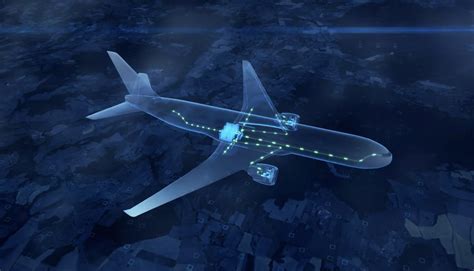
While British Airways leans on procedural refinement, Etihad Airways and Qatar Airways have turned to technology-driven safety solutions. Etihad has partnered with AI firms to integrate predictive maintenance systems across its Dreamliner fleet, while Qatar Airways is testing real-time telemetry-linked diagnostics that allow in-flight predictive alerts.
Qatar has also initiated a pilot program with real-time cockpit analytics, which feed ground stations with critical sensor data mid-flight, enabling faster diagnostic decision-making if anomalies are detected. These proactive safety initiatives underscore a broader industry pivot toward data-centered resilience models.
Looking Ahead: The New Safety Paradigm for Global Aviation
The AI-171 tragedy has not only underscored operational blind spots but has galvanized a new era of multinational aviation accountability. The collaboration between Emirates, Qatar Airways, British Airways, and Etihad is not symbolic—it is strategic, responding to a structural challenge with unprecedented transparency and urgency.
More importantly, it opens the door for broader cooperative mechanisms such as:
- Interoperable safety protocols for aircraft types across jurisdictions
- Joint airworthiness certifications for major aircraft families like the Dreamliner
- A new aviation incident early-warning consortium, similar to global disease surveillance networks
The crisis has redefined what it means to be a responsible air carrier in the modern world. Airlines can no longer wait for regulators to enforce safety — the onus is on corporate leadership to anticipate, detect, and adapt.
Final Thoughts: Turning Crisis into Catalyst
What began as a national tragedy is now a defining moment in aviation history. The Air India AI-171 crash is not just a reminder of technical fallibility but a call to rewrite the rules of global aviation governance. The rapid, cooperative response by four of the world’s most influential airlines illustrates a commitment not merely to survival—but to transformation.
In this shared sky, safety is a collective burden. And for Emirates, Qatar Airways, British Airways, and Etihad Airways, leadership in the post-crisis world means collaboration, transparency, and relentless pursuit of excellence. The passengers of tomorrow will fly more confidently, not because disaster was avoided, but because the industry learned and evolved in its aftermath.