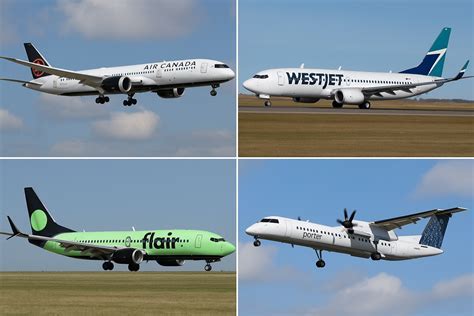
Air travel in Canada has entered a bold new era—not with a merger or acquisition, but with a unified push to elevate the passenger experience on a global scale. In a landmark development for the North American aviation sector, Air Canada, Porter, Air Transat, WestJet, Flair Airlines, and Sunwing are moving in tandem, driving forward a shared ambition: to deliver world-class travel experiences while turbocharging the Canadian aviation industry.
This alignment—though informal in structure—is monumental in impact. It signals a shared recognition among Canada’s top carriers that collaboration, innovation, and service excellence are no longer luxuries in today’s fiercely competitive skies—they are essentials. And nowhere was this unity more visible than at the 2025 Skytrax World Airline Awards, where Canada not only dominated North America but shattered long-standing global expectations.
Air Canada Leads the Charge with Premium Excellence
Once the sole titan of Canadian air travel, Air Canada has embraced its leadership role with a renewed sense of purpose. At the Skytrax awards held during the Paris Air Show on June 17, the carrier clinched titles for North America’s Best Airline, Best Cabin Crew, and Best Business Class Lounge. Its revamped Signature Suite at Toronto Pearson International Airport is now hailed as a global benchmark in lounge luxury, redefining pre-flight expectations for premium travelers.
Air Canada’s rise to 19th globally—its best ranking in over a decade—was no accident. It reflects a meticulous, long-term investment strategy in digital transformation, customer service training, fleet modernization, and loyalty innovation. The airline has strategically leveraged its global partnerships and expanded long-haul connectivity, especially to Europe and Asia, to strengthen its position among the world’s aviation elite.
Porter Airlines Becomes the Darling of Regional Aviation
Surprising industry analysts and seasoned travelers alike, Porter Airlines delivered a breakout performance that elevated its profile far beyond regional confines. Recognized as the 3rd Best Regional Airline in the World, Porter also secured 3rd place for Cabin Crew and Airline Staff in North America—a remarkable feat for a carrier with a focused regional network and limited international exposure.
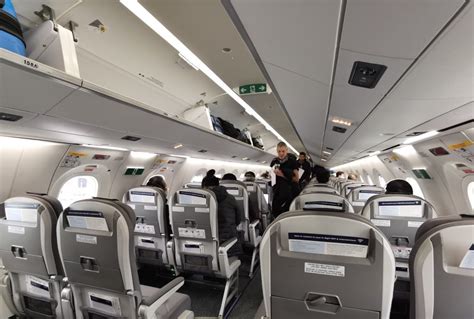
Porter’s recent fleet upgrade to Embraer E195-E2 jets has been instrumental in its transformation. These state-of-the-art aircraft offer superior fuel efficiency, reduced noise, and premium cabin finishes that rival long-haul competitors. With expanded routes and a commitment to refined short-haul service, Porter is no longer just a player in Eastern Canada; it’s a template for regional airline success worldwide.
Air Transat Dominates the Leisure Travel Segment
Air Transat, long known for connecting Canadians to sunny destinations and European cities, has solidified its status as the World’s Best Leisure Airline—for the third consecutive year. This is more than a niche victory. It marks the ascendancy of leisure travel as the new growth driver in post-pandemic aviation.
Based in Montreal, Air Transat has carved out a unique identity by offering direct, competitively priced flights to Caribbean islands, Mediterranean coastlines, and secondary European cities often underserved by full-service giants. Its loyalty lies not just in price-conscious families, but in a growing base of travelers who seek curated travel without compromising on quality. With a 60th global ranking and 7th place in North America, Transat has proven that a leisure-first model is both profitable and prestigious.
WestJet and Sunwing Begin a New Chapter as One
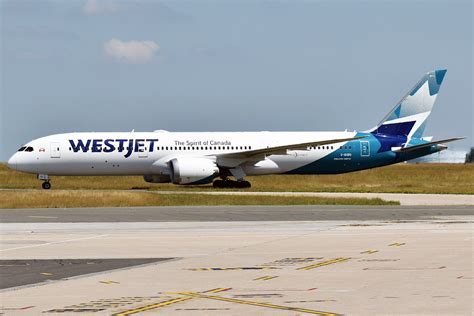
While WestJet faced a drop to 75th place globally—down from 64th in 2024—the story is far from one of decline. In May 2025, it officially completed its merger with Sunwing, absorbing its brand, operations, and market share. The integration aims to combine WestJet’s cost-efficiency and domestic strength with Sunwing’s legacy as a leisure powerhouse.
Sunwing’s final act as a standalone brand ended on a high note: it was crowned 4th Best Leisure Airline in the World. Now under the WestJet umbrella, the combined carrier holds a unique opportunity to create a dominant force in Canada’s hybrid low-cost/leisure space. However, the challenge is steep—preserving the DNA of two distinct brands while delivering seamless service under one flag.
Flair Airlines Carves Out a Vital Budget Niche
In an economic climate marked by inflation and post-pandemic recovery, Flair Airlines is seizing its moment. As 8th among North America’s Low-Cost Airlines, Flair is becoming an indispensable player for price-sensitive travelers, including students, young professionals, and families navigating budget constraints.
Its no-frills, ultra-low-cost model is inspired by European giants like Ryanair and Wizz Air—but with a distinctly Canadian ethos. Flair’s network continues to expand across underserved secondary airports, unlocking affordability while democratizing air access for regions often left behind by legacy carriers.
Flair’s strategy is clear: maximize volume, minimize overhead, and build fierce brand loyalty among the next generation of travelers.
Skytrax 2025: A Collective Victory That Reshapes Perception
The Skytrax 2025 Awards were not just a ceremonial showcase—they were a watershed moment. For the first time, Canadian airlines collectively dominated categories once monopolized by European, Asian, and Middle Eastern carriers. Over 22 million passengers from around the globe voted, reflecting genuine traveler sentiment rather than corporate marketing.
This recognition has tangible outcomes:
- Global travelers now view Canada as a premium destination, not just a transit point.
- Business-class travelers, once loyal to foreign carriers, are shifting bookings to Canadian options.
- Leisure travelers, especially from Europe and Latin America, are exploring new Canadian itineraries.
- Tourism boards and provincial governments are ramping up investments in air-linked attractions, festivals, and infrastructure.

Why This Unified Movement Matters
The synchronized elevation of Canada’s airlines sends a powerful message—not just to consumers, but to the aviation ecosystem at large. Airports, regulatory bodies, hospitality operators, and regional planners must now rise to match the airlines’ momentum.
This moment holds key implications:
- Airport authorities must accelerate terminal upgrades, digital check-in solutions, and lounge capacities to support higher passenger volumes.
- Immigration and customs policies require streamlining to accommodate rising international travel demand.
- Provincial tourism boards can now market Canada with newfound confidence, attracting global events and business travel.
- Policy makers have evidence to support further investments in aviation infrastructure and regional air mobility.
Canada’s aviation success is no longer hypothetical—it’s measurable, validated, and ready to scale.
What’s Next for Canadian Aviation?
This is not the end of the story. It’s the takeoff phase.
Passengers can expect:
- Aggressive route expansion to underserved domestic and international destinations.
- Enhanced in-flight services, especially in business class, regional jet experiences, and leisure-focused perks.
- New partnerships with global alliances, digital travel startups, and intermodal transit networks.
- Personalized loyalty programs, leveraging data to offer smarter rewards and seamless inter-airline benefits.
Crucially, the rising bar means travelers will become more discerning. Airlines will be held to higher standards—not just in seat pitch or in-flight meals, but in how they respond to delays, engage on social media, and handle sustainability promises.
Conclusion: Canada’s Airlines Are No Longer Supporting Cast
From Air Canada’s polished premium routes to Flair’s accessible affordability, from Transat’s vacation magic to Porter’s regional charm, and from WestJet’s evolving hybrid model to Sunwing’s legacy of leisure, Canadian airlines are no longer following global trends—they are setting them.
The collaboration may be unofficial, but its impact is undeniable. In a time when many national carriers are retrenching or merely surviving, Canada’s airlines are expanding, innovating, and winning—together.

The skies over Canada are no longer just airspace—they are a battleground of innovation, pride, and purpose. And for the first time in decades, the world is watching.