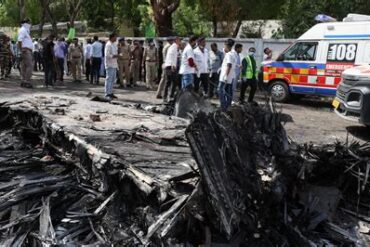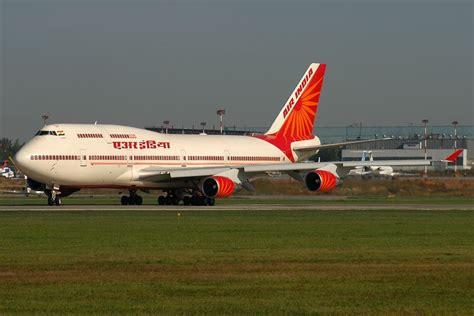
The tragic crash of Air India Flight IA 171 on June 12, 2025, near Ahmedabad has not only claimed lives but may soon result in an unprecedented legal showdown. According to aviation lawyer James Healy-Pratt, a veteran of more than three decades in global aviation law, both Air India and Boeing could face unlimited legal liability for the accident—depending on the outcome of a complex, multi-jurisdictional investigation that is still underway.
Unpacking Unlimited Liability in Aviation Crashes
In an exclusive legal breakdown, James Healy-Pratt emphasized that Air India could be held fully liable unless it can prove it was not at fault for the crash. Under international aviation law, liability is typically assigned under the Montreal Convention, which regulates airline responsibility for injury or death during international travel. However, in cases where negligence or mechanical fault is established, the doctrine of unlimited liability can be triggered.
This legal structure does not impose any ceiling on the damages claimable by victims’ families. If Air India cannot conclusively demonstrate that it was not responsible, or if its operations are linked to any form of negligence—such as poor maintenance, pilot error, or inadequate safety procedures—the airline will be fully exposed to legal claims.
Equally alarming for Boeing is the possibility that the crash stemmed from a defect in the Boeing 787 Dreamliner, the aircraft model involved. If technical malfunctions or design flaws are found to have contributed to the tragedy, Boeing could also be on the hook for unlimited compensation, with global claimants seeking restitution in high-payout jurisdictions.
Strategic Legal Advisory: Families Advised to Delay Final Settlements
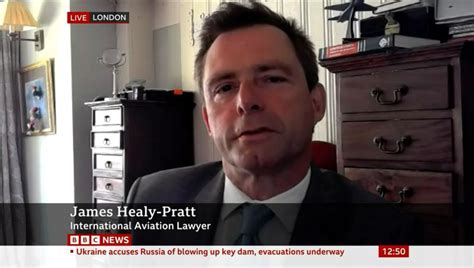
Healy-Pratt, who currently represents several families of the deceased passengers, has urged caution and patience. While Air India is legally obligated to provide an initial advance payment of £17,200 (approx. $21,000) within 15 days of the incident, Healy-Pratt stresses that this should not be confused with a full settlement. Accepting a final compensation offer prematurely could severely limit the ability of victims’ families to seek additional damages as new evidence emerges.
“The offer of ₹1 crore (approximately $12,000) is grossly insufficient in light of the potential liabilities and the possible causes under investigation,” Healy-Pratt noted. He added that families must refrain from signing off on any settlements until full investigative findings are released and legal strategies can be fully deployed.
The Complex Legal Web: Multi-Jurisdictional Claims on the Horizon
One of the core challenges in this developing legal case is the multi-jurisdictional nature of aviation claims. The IA 171 flight, which included passengers from several nationalities, now brings into play international legal frameworks, including U.S., U.K., and Indian aviation laws.
Healy-Pratt’s firm is currently exploring legal avenues in multiple jurisdictions, looking to file claims in countries where aviation compensation laws are most favorable to victims’ families. For instance, U.S. courts—known for awarding higher settlements—could be a viable venue if Boeing’s liability is established.
In terms of potential settlements:
- United States: $5 million to $10 million per victim
- United Kingdom: $2 million to $3 million per victim
- India: Significantly lower, often less than $100,000 per victim
The choice of jurisdiction, therefore, will significantly influence the compensation awarded. Healy-Pratt is currently coordinating these legal efforts to ensure that the families receive the maximum possible compensation under international law.
Calculating Damages: Special Drawing Rights and Global Standards
An often overlooked but critical aspect of aviation settlements is the use of Special Drawing Rights (SDRs)—an international reserve asset defined by the International Monetary Fund (IMF) and applied by the International Civil Aviation Organization (ICAO) in crash-related claims. SDRs allow for a standardized approach to compensation that transcends currency fluctuations.
The exact amount a family receives is influenced by several variables:
- The ticketing terms and fare class
- The country of residence of the deceased
- The location of the accident
These calculations are then converted from SDRs into local currencies, often resulting in vastly different payout levels depending on where the legal action is pursued.
Legal Support Beyond National Boundaries
One of the most commendable aspects of Healy-Pratt’s strategy is its inclusivity. His firm is not limiting representation to British nationals, even though it is headquartered in the United Kingdom. The crash of IA 171 is considered an international aviation tragedy, and as such, Healy-Pratt has extended support to families regardless of nationality.
This inclusive approach is vital, given that legal frameworks differ widely across countries. For example, in India, civil aviation compensation is often constrained by government guidelines and capped insurance agreements. In contrast, American legal venues offer the possibility of jury trials, which can result in punitive damages—a factor that could significantly increase Boeing’s liability.
Case Precedents: Healy-Pratt’s Track Record in Aviation Law
Healy-Pratt is not new to large-scale aviation litigation. His previous work includes handling cases from the Adam Air crash in Indonesia (2007), where his firm successfully secured $400,000 per passenger within just 90 days—one of the fastest settlements in aviation history.
This prior success positions him well to manage the IA 171 case, which could take up to two years to resolve fully. The firm is already working on:
- Identification and repatriation of remains
- Liaising with Air India’s insurers (TATA/AIG)
- Collecting black box and cockpit voice recorder data
- Coordinating with international investigative authorities
Boeing’s Position: Corporate Exposure and Reputational Stakes
As the investigation continues, Boeing’s role will become increasingly scrutinized. The manufacturer has previously faced massive legal and reputational fallout from the 737 MAX disasters, which led to global groundings, U.S. Congressional hearings, and multi-billion-dollar settlements. Should the Boeing 787’s integrity be questioned in IA 171, the company might be looking at yet another devastating chapter in its history.
Given the potential for shared liability, Healy-Pratt has warned both companies to prepare for a protracted and costly legal battle. If safety oversights, system failures, or manufacturing defects are identified, Boeing will have little room to deflect responsibility.

Families Must Prepare for a Long Legal Journey
Healy-Pratt has made it clear that families should not expect quick settlements. While initial compensation is mandated under international law, the real justice—and full financial redress—will likely arrive only after years of litigation and negotiation.
Families have been urged to collect and preserve all relevant documentation, including:
- Flight bookings and itineraries
- Insurance records
- Personal identification and communication logs from the victims
Legal teams will use this material to build strong, jurisdiction-specific cases that can withstand the aggressive defense likely to be mounted by both Air India and Boeing.
Conclusion: Legal Counsel Is Non-Negotiable
As the dust settles over Ahmedabad and investigators begin to assemble the pieces of this tragic puzzle, one thing remains clear: victims’ families must resist the pressure to settle prematurely. With new evidence still emerging, and the legal landscape unfolding across multiple international jurisdictions, the potential for substantial, uncapped compensation remains strong.
Healy-Pratt’s advice is unambiguous—seek experienced legal counsel, document everything meticulously, and let the full scope of the investigation play out. Only then can justice be rightfully served, and the true liability of Air India and Boeing be established in the court of law.