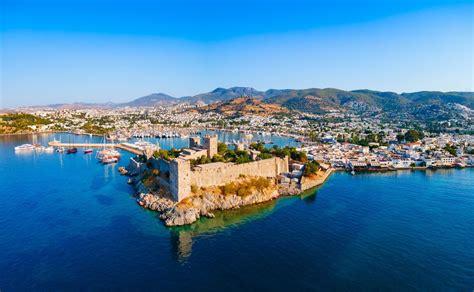
Turkey, long celebrated for its affordable sunshine holidays, is now facing a troubling decline in tourist numbers, particularly in its iconic destinations like Antalya and Bodrum. The nation’s tourism sector, which has historically thrived on attracting visitors with low-cost vacations, is now grappling with rising prices that are driving potential tourists away. As international arrivals drop, the implications for Turkey’s economy and its hospitality industry are profound and concerning.
The first five months of 2025 have witnessed a 0.15% decrease in international arrivals to Turkey compared to the same timeframe in 2024. While this figure may initially appear minimal, it has significant repercussions for an industry that relies heavily on consistent visitor numbers. The month of May alone saw a 1.81% decline in visitors, hinting that Turkey’s allure as a travel destination is waning. For decades, travelers from the UK and across Europe flocked to Turkey for its combination of beautiful beaches and affordable experiences, but those days seem to be slipping away as prices rise sharply.
Today, a five-day family holiday to popular resorts such as Antalya or Bodrum can cost over 150,000 Turkish lira (approximately £2,750), a steep increase compared to previous years. To put this in perspective, a similar vacation in Greece might only set travelers back between £1,460 and £1,830. This stark contrast in pricing has not gone unnoticed, leading many potential visitors to seek out better value options elsewhere.

Tourist Preferences Shift to More Affordable Destinations
As Turkey’s tourism industry continues to face challenges, its once-unassailable position among Mediterranean vacation spots is increasingly threatened by competitors offering similar attractions at more appealing prices. Countries like Greece have seen a marked increase in British and European tourists, drawn by a blend of stunning coastlines, rich historical sites, and more competitive pricing structures. Other Mediterranean nations, including Spain and Portugal, are also capitalizing on Turkey’s declining affordability, further eroding its market share.
According to Kıvanç Meriç, the Izmir President of the Association of Turkish Travel Agencies, the situation is clear: “Tourists are now choosing destinations where they get more value for the same money.” Although Turkey remains a favored destination for certain nationalities, the overall trend indicates that rising costs are prompting many would-be visitors to reconsider their travel plans.
Impact of Rising Accommodation Costs
At the heart of this issue lies the escalating cost of accommodation in key tourist regions. In both Antalya and Bodrum, hoteliers are grappling with increased operational expenses, which include higher wages, soaring utility bills, and inflationary pressures on food and energy. These rising input costs have compelled hotels to raise their prices, creating a scenario where family vacations that were once accessible have become prohibitively expensive for many.
The repercussions of these price hikes are evident in the changing travel habits of tourists. Many are opting for shorter stays or choosing alternative destinations that offer a better financial proposition. Reports indicate that the average length of stay in Antalya has dwindled to just eight days, underscoring how rising costs are reshaping vacation plans.
Declining Occupancy Rates and Profit Margins
In light of these developments, industry leaders are advocating for a reassessment of Turkey’s pricing strategies. Burhan Sili, President of the Alanya Touristic Business Owners Association (ALTID), has emphasized the necessity of reevaluating the balance between pricing and quality. He warns that while occupancy rates might hold steady, the profit margins could suffer significantly if businesses fail to adapt. The challenge lies in attracting tourists while simultaneously preserving the high standards of service that travelers expect.
Despite the pressing nature of these issues, there is a broader acknowledgment that competition from other destinations is exacerbating Turkey’s struggles. The rise in global travel options has given tourists an unprecedented array of choices, making it increasingly difficult for traditional favorites to maintain their appeal. The longstanding allure of Turkey’s resorts is being tested as other locales begin to offer comparable experiences at lower costs.
The Role of Geopolitical and Economic Factors
Beyond the straightforward issue of rising prices, geopolitical and economic factors are further complicating Turkey’s tourism landscape. One significant development is the noticeable decline in visitors from Russia, a key market for Turkish tourism. Ongoing diplomatic tensions and shifting travel patterns have resulted in fewer Russian tourists arriving in Turkey, which has historically accounted for a substantial portion of international arrivals. Additionally, the devaluation of the Turkish lira and increased taxes on everyday goods, including food and energy, are adding layers of complexity to the situation.
Given that tourism constitutes a vital segment of Turkey’s economy, this decline in foreign interest raises alarms about the country’s capacity to uphold its stature as a premier travel destination. As the tourism sector navigates this challenging environment, the stakes are high for both businesses and the broader economy.
What Needs to Be Done?
In the face of ongoing challenges, experts in the tourism industry are calling for swift action to address the situation. Kıvanç Meriç points out that immediate measures must be implemented to alleviate the burden that rising costs are placing on tourists. There is optimism that Turkey can reverse its fortunes by enhancing the value proposition offered to visitors and addressing the underlying cost issues that are making vacations less appealing.
Potential strategies could involve implementing more competitive pricing, particularly during peak tourist seasons, alongside efforts to enrich the overall tourism experience through improved entertainment and recreational offerings. Diversifying tourism packages, making accommodations more affordable, and showcasing the unique qualities of the Turkish experience may be crucial steps in restoring the nation’s former charm.
Conclusion: A Pivotal Moment for Turkish Tourism
Turkey’s tourism sector, which once flourished due to its affordability and rich cultural offerings, now finds itself at a critical juncture. The dual challenges of rising prices and evolving traveler expectations compel the sector to rethink its approach. Currently, beloved destinations like Bodrum and Antalya are experiencing declines in hotel occupancy, and without prompt action, this trend could expand to other regions.
As the global travel landscape evolves, Turkey must adapt to retain its status as one of the most sought-after destinations. By effectively balancing price and quality and revamping its value proposition, Turkey has the potential to regain its place as a top choice for holidaymakers in the future.