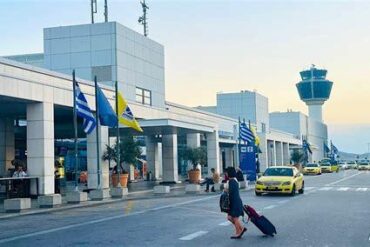
As the Middle East crisis escalates, a significant number of Israeli tourists have found themselves unexpectedly stranded in Athens, Greece, due to widespread flight cancellations and rising regional tensions. The abrupt suspension of commercial flights to and from Israel has forced many travelers, who initially planned brief vacations or layovers, to extend their stays indefinitely in the Greek capital. This unforeseen scenario has resulted in a remarkable surge in hotel occupancy across Athens, offering a temporary yet meaningful boost to Greece’s hospitality sector during a summer season that was previously anticipated to be challenging.
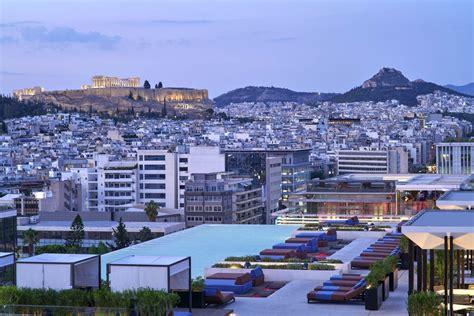
Athens, renowned for its rich history, vibrant culture, and stunning Mediterranean ambiance, has witnessed a notable uptick in hotel bookings as a direct consequence of this sudden influx. According to the Athens, Attica, and Argosaronic Hotel Association, this unexpected development has provided short-term relief to hoteliers who were bracing for a softer season due to broader economic and geopolitical uncertainties. Many hotels have swiftly adapted by implementing flexible arrangements tailored to the needs of these stranded tourists. They are offering extended stays, discounted rates, and personalized services aimed at alleviating the challenges faced by these visitors.
Historically, Israeli tourists represent a highly valuable market segment for Greece’s tourism industry. Athens, in particular, has long been a favored destination for Israeli citizens due to its proximity, cultural similarities, and accessible travel routes. Statistics from the Athens Hoteliers Association indicate that during peak seasons, Israeli guests can account for up to eighty percent of the occupancy in some centrally located properties—underscoring the city’s enduring appeal among Israeli travelers. In recent years, Athens has emerged as a key urban getaway for Israeli families, solo adventurers, and business travelers alike, seeking a perfect blend of heritage and leisure. The current disruption, however, has transformed Athens from a preferred destination into a necessary refuge, showcasing the city’s adaptability in times of crisis.
While the temporary boost to hotel activity is welcomed by many, it also highlights the precarious nature of tourism flows influenced by geopolitical developments. Industry experts express cautious optimism regarding the situation, recognizing that although occupancy rates appear favorable now, the long-term implications for the summer season could be far more complex. Travel analysts are noting a rise in cancellation rates, delayed confirmations, and a general hesitance among potential travelers—not only from Israel but also from neighboring regions that share travel corridors with the Middle East.
In response, Athens’ hospitality stakeholders are closely monitoring booking trends and remain poised to adapt their strategies accordingly. Many hoteliers are prioritizing the maintenance of high service standards to support affected travelers while simultaneously diversifying their marketing efforts to attract tourists from other regions should the downturn continue. By doing so, they aim to safeguard the city’s overall tourism performance amid the prevailing uncertainty.
The Athens, Attica, and Argosaronic Hoteliers Association has indicated that future monthly tourism data will reveal the full extent of this unexpected development, providing critical insights into how the crisis is impacting both short-term and long-term booking behaviors. Despite the current upheaval, Athens stands as a beacon of stability, presenting a safe and welcoming environment even amidst global tensions. Greece’s longstanding reputation as a peaceful and tourist-friendly nation serves as a strong foundation during this challenging time. Visitors continue to feel secure and supported, fostering trust that may prove pivotal in sustaining the country’s tourism momentum through the summer and beyond.
In the words of one hotel manager located in the historic Plaka district, “We didn’t expect this situation, but we are doing everything we can to support our guests. Our priority is to make them feel at home, even if they didn’t plan to stay so long. Greece has always been a friend to Israel, and we want our hospitality to reflect that.”
As the situation unfolds, it becomes increasingly clear that the ongoing Middle East conflict has left many Israeli tourists stranded in Athens, inadvertently leading to a significant spike in hotel occupancy throughout Greece’s capital. While this unplanned surge provides much-needed relief for the hospitality sector, it also serves as a sobering reminder of the vulnerability of tourism to geopolitical events.
The adaptability and resilience of Athens as a tourism hub shine through during these turbulent times, highlighting its capacity to offer both a temporary haven for those caught in crisis and a testament to the strength of its hospitality tradition. As Athens continues to navigate these challenges, it remains committed to providing exceptional service and support to all visitors, reinforcing its status as a premier destination in the heart of Greece.