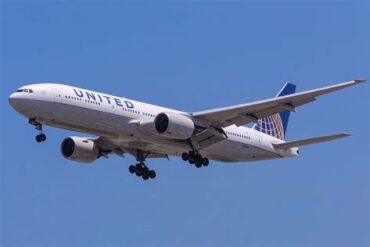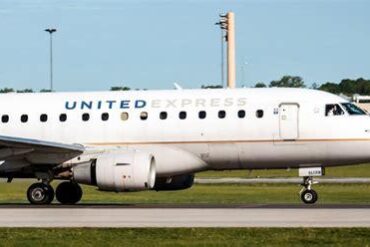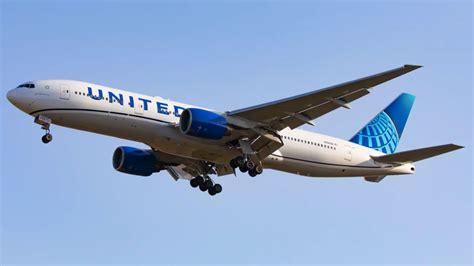
United Airlines Flight UA989 turned into a nightmarish experience for passengers after a sudden medical emergency forced an unscheduled landing at Halifax Stanfield International Airport on June 13, 2025. What was initially communicated as a brief stopover turned into an agonizing seven-hour ordeal, sparking outrage over communication failures, operational delays, and potential regulatory violations.
The widebody Boeing 777-300ER, tail number N2136U, had departed Washington Dulles International Airport (IAD) at 22:07 UTC, en route to a European destination. Roughly 2.5 hours into the transatlantic journey, a medical emergency necessitated an immediate diversion to Halifax. The crew’s decision to land was swift and in line with safety protocols, allowing the affected passenger to receive urgent medical care.
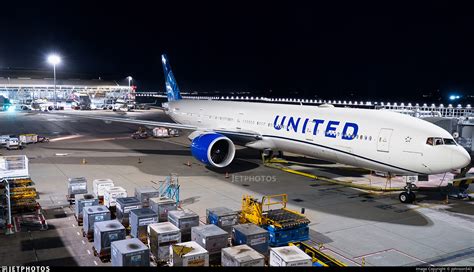
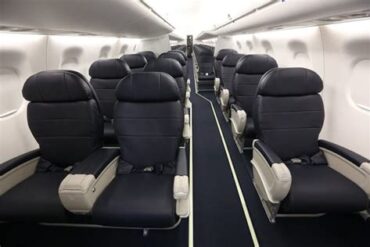
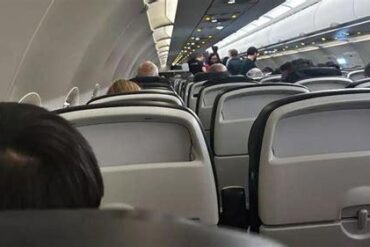
However, once the aircraft landed, expectations of a 30-minute stop quickly unraveled. Passengers found themselves confined within the cabin for over seven hours, with no option to deplane, minimal updates from the airline, and increasing confusion over the unfolding situation.
Aircraft Complications Prolong Delay on Halifax Tarmac
Beyond the medical incident, the Boeing 777 soon faced a fuel imbalance issue. After refueling operations were completed in Halifax, the flight crew detected that the fuel levels between the wings were not evenly distributed—a potentially serious imbalance that required precise adjustment before the aircraft could be deemed airworthy.
These adjustments took significant time, as safety protocols demand careful execution when dealing with fuel distribution. But delays snowballed further as crew duty limits loomed over the operation. Aviation regulations stipulate a maximum number of hours flight crews can legally work. By the time maintenance issues were resolved, the crew was approaching their legal time-out threshold, introducing additional uncertainty about whether the flight could resume at all.
Passengers remained onboard through the entire episode. Despite growing concerns, they were not permitted to exit the aircraft or access basic airport services. This inflamed an already tense situation, as passengers began to question whether United Airlines was adhering to legal obligations for passenger welfare.
Passenger Complaints Amplify Over Lack of Communication
Perhaps the most infuriating aspect for travelers on UA989 was the lack of consistent communication. Reports from several passengers indicated that updates were sporadic, unclear, or entirely absent for long stretches. This informational blackout left many feeling abandoned, with some describing the experience as “dehumanizing.”
“We were just sitting there in limbo,” one passenger wrote on social media. “No one told us if we could leave, no food was offered for hours, and the crew seemed just as confused.”
According to U.S. Department of Transportation (DOT) regulations, for international flights stuck on a tarmac, airlines must allow passengers to deplane after four hours unless specific exceptions apply, such as security or air traffic control constraints. Further, carriers must provide food and potable water after two hours, ensure that lavatories are working, and offer medical attention if necessary.
Passengers on flight UA989 reported that these standards were not met. Multiple accounts indicate that food and water were scarce, restrooms became unsanitary, and communication from crew and ground operations was nearly non-existent.
Canadian and International Regulations May Trigger Penalties
Given that the aircraft was grounded in Canadian territory, Transport Canada regulations also come into play. Canadian aviation laws echo U.S. DOT standards by requiring carriers to provide essential care and clear communication during long delays. These include updates every 30 minutes, access to necessities, and the option to deplane if practical.
Moreover, EU Regulation 261/2004 may also apply for the European-bound flight. This law provides robust protection for passengers experiencing delays, cancellations, or denied boarding. Under this regulation, passengers may be entitled to financial compensation, meal vouchers, or accommodation, depending on the cause and length of the delay.
Whether passengers of UA989 will receive such compensation remains to be seen. However, the extended confinement and inadequate handling of the situation raise legitimate questions about whether United Airlines breached multiple international obligations during this episode.
Contrasts With Previous United Emergency Landing Highlight Operational Gaps
The chaotic handling of Flight UA989 starkly contrasts with a previous United Airlines emergency landing that took place under similar conditions. In that case, the flight crew declared a 7700 squawk code, landed promptly, and passengers were kept fully informed. Emergency services were waiting on the ground, and the affected passenger received immediate medical attention without further disruption to the other travelers.
The decisive and orderly handling of that case now serves as a benchmark against which United’s performance in Halifax is being judged. The contrast highlights how clear protocols, transparent communication, and proactive care can drastically influence passenger perception and trust.
Fuel Imbalance: A Deeper Look at a Hidden Hazard
The rarely-discussed issue of fuel imbalance became a key factor in the extended delay. On modern widebody aircraft like the Boeing 777-300ER, fuel is stored in multiple tanks, including wing tanks, center tanks, and auxiliary systems. A fuel imbalance occurs when the weight of fuel in one wing exceeds the other by a significant margin, potentially causing the aircraft to roll or become unstable in flight.
This is not a routine maintenance issue; correcting a fuel imbalance can require precise adjustments, refueling, or defueling operations, as well as recalibration of load balancing systems. The fact that the imbalance was discovered after refueling in Halifax suggests either a fault in fuel transfer operations or a sensor discrepancy. Regardless, addressing the problem on the tarmac added hours of delay.

Crew Duty Limits: Legal Constraints With Real Consequences
The situation was further compounded by looming duty-time regulations for the crew. Under FAA rules, flight crews have a set number of hours they can legally be on duty in a 24-hour period. Exceeding this limit without proper rest is not just a regulatory issue—it is a safety hazard.
Once it became clear the delay would exceed initial estimates, United management faced a logistical dilemma: allow the crew to continue past their limit and risk a violation, or cancel the remainder of the flight and find alternative arrangements for passengers. These internal decisions were made with little transparency, contributing to growing passenger distrust and tension.
Social Media Backlash and Public Pressure
As the hours dragged on, angry posts flooded social media platforms, painting a damaging picture of United’s handling of the crisis. Videos emerged showing darkened cabins, frustrated parents, and elderly passengers visibly distressed. Hashtags like #UA989Delay and #UnitedFail began trending regionally, amplifying scrutiny.
In today’s real-time digital age, the court of public opinion exerts significant influence. The rapid viral spread of passenger accounts not only forced media coverage but likely prompted internal audits within United Airlines as the incident snowballed into a PR nightmare.
United Airlines Response Under the Microscope
As of June 14, United Airlines had issued a brief statement acknowledging the incident, expressing regret, and emphasizing the priority given to passenger safety. However, no formal apology, detailed explanation, or compensation plan has been communicated publicly.
This is unlikely to satisfy affected travelers or consumer rights advocates. As regulations tighten and public awareness of passenger rights continues to grow, airlines face rising accountability standards. The UA989 incident will likely become a case study in what not to do during operational disruptions.
What This Incident Reveals About Airline Crisis Management
The debacle of UA989 is more than a single mishap—it exposes gaps in crisis management protocols, crew scheduling systems, and communication chains. While the initial emergency was unforeseen, the ensuing chaos was preventable. Proper passenger communication, timely deplaning procedures, and active logistical contingency planning could have mitigated the negative fallout.
United Airlines, like all major carriers, operates in a high-stakes environment where the balance between safety, efficiency, and customer care is fragile. Failing on one front often leads to domino effects across the board.
Conclusion: A Call for Reform and Accountability
Flight UA989’s emergency landing at Halifax and the ensuing hours of confusion and discomfort stand as a critical warning for the aviation industry. As passenger expectations rise and oversight agencies strengthen enforcement, airlines must be ready not only to react swiftly to emergencies but to communicate clearly, act transparently, and adhere rigorously to international standards.
This incident underscores the imperative for system-wide reform in how delays—particularly those involving tarmac strandings—are managed. For United Airlines, the path forward demands more than just public relations—it requires deep operational introspection and meaningful change.