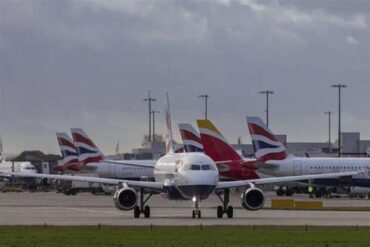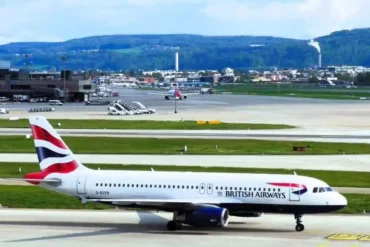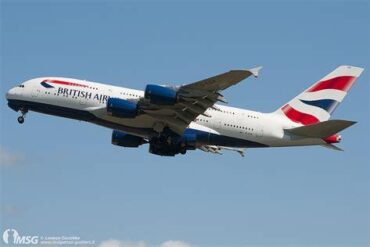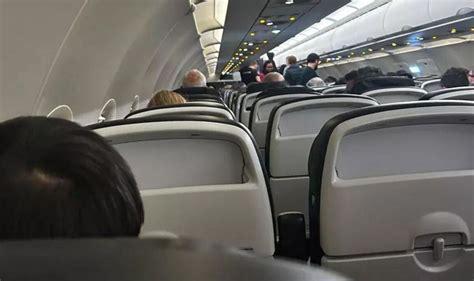
A sense of panic and disbelief gripped passengers aboard British Airways Flight BA872 on July 6, 2025, as a seemingly routine departure to Kraków spiraled into a nightmarish seven-hour ordeal. Sealed inside an Airbus A319 parked at London Heathrow Airport, passengers endured stifling conditions and growing anxiety amid a suspected toxic air event, prompting a full-scale emergency response and renewed scrutiny of cabin air safety across the airline industry.
The Start of an Ordeal: When Routine Went Wrong
The flight was scheduled to depart on a short-haul route to Poland, but it never left the tarmac. What initially appeared to be a minor technical hiccup—a repeatedly blowing fuse—quickly snowballed into a full-blown crisis. The issue disabled the aircraft’s air conditioning and ventilation systems, transforming the confined jet into a pressurized oven devoid of airflow.
Passengers remained onboard, seatbelts fastened, for what would become a seven-hour entrapment. Cabin temperatures rose, the air turned stale, and nerves began to fray. Despite multiple attempts by engineers to resolve the fault, no lasting solution emerged.
Denied Exit: No Escape From the Cabin
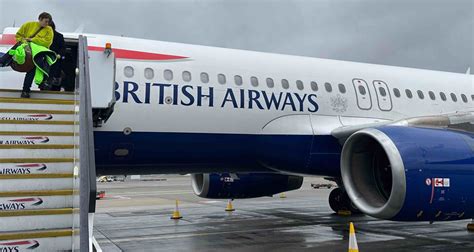
Perhaps most controversial was the airline’s refusal to allow passengers to disembark. According to those onboard, British Airways staff declined to return the plane to the terminal, citing operational constraints. Instead, passengers received only two small bottles of water and a breakfast bar to sustain them throughout the ordeal.
As tension mounted, oxygen levels fell. Parents struggled to comfort restless children. Elderly travelers and those with respiratory conditions became increasingly distressed. The airline’s inability to provide clarity or effective relief only intensified the psychological strain.
A Toxic Turn: Emergency Services Respond
The gravity of the situation became undeniable when London Heathrow emergency firefighters boarded the aircraft. Their arrival was prompted by concerns over air quality—specifically, the possibility that passengers and crew were being exposed to toxic fumes.
Once onboard, the firefighters conducted air quality checks and found signs consistent with hazardous airborne substances. That discovery triggered an immediate evacuation of all passengers. For many, it was the first lungful of fresh air they had tasted in hours.
A Troubling History: Not the First Fume Event
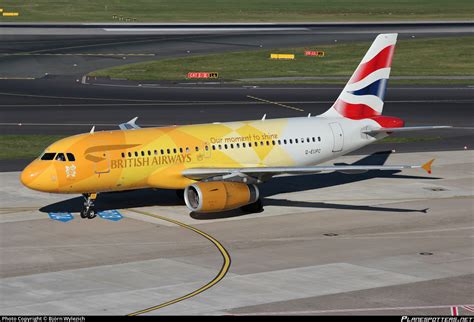
Even more disturbing is the revelation that this particular Airbus A319 had experienced a similar incident less than a year prior. In September 2024, the same aircraft was involved in a serious fume event while operating a flight from London to Aberdeen. Pilots were forced to wear oxygen masks mid-air, and the aircraft diverted to Manchester Airport for emergency landing.
This pattern is not isolated. British Airways has long struggled with fume events, particularly across its Airbus A320 family, which includes the A319. In 2019 alone, over 50 fume incidents were reported in a single month within the airline.
The underlying cause lies in aircraft design. Modern commercial jets use a system called bleed air, which draws pressurized air from the engines to supply the cabin. However, if engine seals degrade or fail, toxic contaminants like engine oil or hydraulic fluid vapors can leak into the air system, exposing all onboard to dangerous fumes.
Health Implications and Growing Legal Pressure
Passengers and crew exposed to contaminated cabin air often report immediate symptoms such as headaches, dizziness, nausea, and respiratory distress. Long-term consequences are even more alarming, with some alleging chronic neurological and cardiovascular effects.
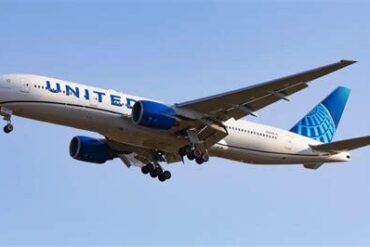
In May 2025, United Airlines flight attendant Darlene Fricchione filed a high-profile lawsuit after a toxic air incident on an A319 in Denver left her with persistent health issues, including nosebleeds and migraines. Her case has amplified calls for greater accountability from aircraft manufacturers and airlines alike.
Airline Silence and Swift Return to Service
Following the July 6 incident, British Airways has issued no formal comment, nor has it acknowledged the aircraft’s prior fume event history. More startlingly, the same Airbus A319 returned to active service the following day, raising eyebrows among safety advocates.
Critics argue this swift reinstatement reflects a prioritization of operational efficiency over passenger safety. With high summer travel demand and stretched fleets, airlines face intense pressure to keep every available aircraft flying. Yet, many question whether jets suspected of toxic air issues should be grounded pending thorough inspection.
Regulatory Gray Zones and Industry Denial
Fume events exist in a regulatory blind spot. Agencies such as the European Union Aviation Safety Agency (EASA) and UK Civil Aviation Authority (CAA) lack standardized reporting mechanisms. While some regulators classify them as “odor events,” others dispute their toxic classification altogether, further muddying oversight and accountability.
Airline personnel—especially flight attendants—are often reluctant to report symptoms due to fear of retaliation or job insecurity. A culture of underreporting persists, leaving the true scale of toxic air exposure largely hidden.
Ripple Effects on European Travel and Tourism
This latest incident sends shockwaves through Europe’s travel ecosystem, just as the continent experiences record post-pandemic tourism levels. Airlines, airports, and tour operators must now contend with a new, deeply unsettling variable: public fear over cabin air safety.
Heathrow Airport, one of the busiest in the world, faces renewed scrutiny over its handling of such emergencies. Travelers may begin reconsidering flight plans, especially on carriers or aircraft types known for fume-related incidents. The economic fallout could be substantial, with lost consumer confidence translating into flight cancellations, lower bookings, and reputational damage.
The Fight for Cleaner Air in the Skies
Safety campaigners have long called for systemic reforms. These include:
- Independent cabin air monitoring systems installed on all commercial aircraft.
- Real-time air quality sensors available to both crew and passengers.
- Mandatory fume event reporting protocols enforced by national aviation bodies.
- Improved crew training for recognizing and responding to air contamination incidents.
- Accelerated aircraft maintenance protocols focusing on air circulation system integrity.
Some airlines are experimenting with newer filtration systems and sensor technology, but industry-wide adoption remains sluggish. Without regulatory mandates or public demand, progress risks stagnation.
Voices From the Cabin: Passengers Share Their Trauma
For those onboard Flight BA872, the experience remains fresh—and traumatic. Many passengers have taken to social media to describe their ordeal. One passenger wrote, “It was like being held hostage. I couldn’t breathe. The heat was unbearable. We begged to leave, but they wouldn’t let us off.”
Others are demanding answers. Why wasn’t the aircraft grounded sooner? Why were passengers denied deplaning despite clear discomfort and rising panic? And perhaps most critically—what exactly were they breathing during those long, suffocating hours?
A Wake-Up Call for the Aviation Industry
The July 6 toxic air scare is more than just another airline mishap—it’s a stark reminder of the hidden vulnerabilities within modern aviation. For an industry that markets itself on precision, safety, and efficiency, the inability to guarantee clean, breathable air is a fundamental failure.
As aviation evolves with greener fuels, faster aircraft, and smarter navigation systems, the issue of cabin air quality must take center stage. Whether through regulation, innovation, or public pressure, the industry must act decisively.
Passengers deserve more than apologies and water bottles. They deserve transparency, accountability, and above all, safe air to breathe every time they fly.