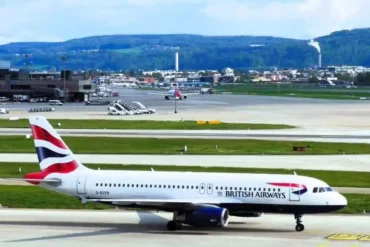
As geopolitical instability continues to reshape global aviation networks, British Airways (BA) has confirmed an extensive series of route suspensions across the Middle East, affecting seven major destinations and significantly altering its long-haul strategy for 2026. While the carrier intends to restore most services later this year, ongoing security concerns, operational risks, and shifting passenger demand continue to cast uncertainty over the timeline.
The airline’s latest schedule adjustments highlight how deeply the aviation sector remains affected by regional tensions involving Iran, Israel, and neighboring countries. Rising insurance costs, elevated fuel prices, restricted airspace access, and weakened traveler confidence have forced airlines across Europe and the Gulf to rethink their networks. British Airways is among the largest carriers impacted, with virtually its entire Middle Eastern operation temporarily suspended.
British Airways Halts Nearly Its Entire Middle East Network
Before the escalation of regional conflicts in early 2026, British Airways operated flights from London Heathrow Airport (LHR) to eight destinations throughout the Middle East. These routes formed an important part of the airline’s long-haul portfolio, serving both business travelers and connecting passengers through strategic partnerships.
However, as security conditions deteriorated, the carrier progressively suspended services across the region. The impact has been substantial, reducing British Airways’ footprint in one of the world’s most strategically important aviation markets.
The airline’s affected destinations include:
- Abu Dhabi
- Amman
- Bahrain
- Doha
- Dubai
- Riyadh
- Tel Aviv
A notable exception is Jeddah, where British Airways has decided not to resume service. The final flight between London Heathrow and Jeddah departed on April 24, 2026, effectively ending the route. The decision reflects changing commercial priorities, with Riyadh considered a stronger premium market and more attractive from a revenue perspective.
For British Airways, the suspension represents one of the most significant reductions in Middle Eastern operations in recent years.
The Long-Term Decline of Several Middle East Destinations
The current suspensions are part of a broader trend that has gradually reshaped British Airways’ regional network over the past decade.
Flights to Kuwait were discontinued in 2025 after more than sixty years of service. Earlier network reductions saw routes to Beirut, Dammam, and Muscat disappear in 2020, while Tehran was removed from the network in 2018.
These withdrawals illustrate how British Airways has steadily concentrated capacity on its most profitable markets while reducing exposure to destinations facing operational or economic challenges.
The latest conflict has accelerated that process, forcing the airline to temporarily abandon nearly every remaining destination in the region.
Data from airline schedules and flight tracking records reveal the sequence of suspensions. Bahrain was the first destination to lose service, followed by Doha and Dubai. Abu Dhabi and Amman soon followed, while Riyadh continued operating until mid-March. Tel Aviv remained active the longest, with the final departure taking place in early May.
The gradual shutdown reflected the rapidly changing security environment and the airline’s attempt to maintain service wherever feasible for as long as conditions allowed.
British Airways’ Planned Route Resumption Schedule
Despite the disruptions, British Airways has outlined an ambitious recovery plan aimed at restoring most Middle Eastern services before the start of the Northern Hemisphere winter schedule.
The first route scheduled to return is Doha, currently planned for August 1, 2026. The destination holds exceptional strategic importance because of British Airways’ deep partnership with Qatar Airways. Together, the two carriers operate one of the world’s most significant airline joint ventures, providing extensive connectivity between Europe, Asia, Africa, and Australia.
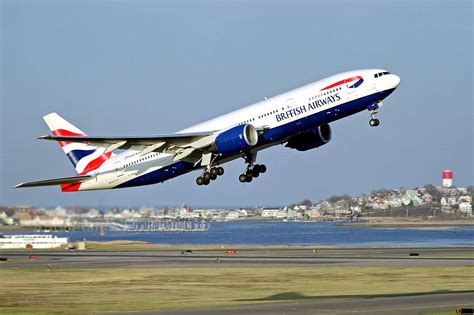
Initially, Doha service will operate daily using Boeing 777-200ER aircraft before expanding to twice-daily operations later in the year.
Riyadh is expected to return on October 1, restoring a key business market linking Saudi Arabia’s rapidly expanding economy with the United Kingdom.
The remaining destinations are currently scheduled to rejoin the network on October 25, coinciding with the beginning of the winter aviation season.
How British Airways Plans to Rebuild Capacity
If current schedules remain unchanged, British Airways will gradually restore a substantial Middle Eastern presence by November 2026.
The planned operation includes:
- Doha: up to two daily flights
- Riyadh: up to two daily flights
- Abu Dhabi: daily service
- Amman: daily service
- Bahrain: daily service
- Dubai: three daily flights
- Tel Aviv: two daily flights
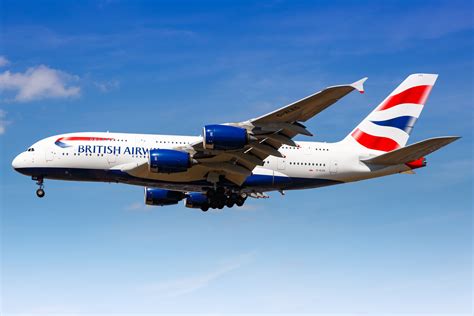
Among these destinations, Dubai will remain the airline’s largest Middle Eastern market. The route will be served by a mix of Airbus A380 and Boeing 787-10 aircraft, reflecting consistently strong passenger demand and premium traffic volumes.
Tel Aviv is also expected to regain significant capacity with twice-daily Airbus A321neo operations, assuming regional security conditions permit a full restart.
The scale of the planned restoration demonstrates British Airways’ confidence in the long-term importance of the Middle East despite the current challenges.
Regional Conflict Continues to Influence Airline Decisions
Although official restart dates have been published, aviation analysts caution that every planned resumption remains subject to change.
Airlines must continuously assess multiple factors before returning to affected regions. Crew safety remains paramount, while insurance premiums, airspace restrictions, government advisories, and passenger demand all influence operational decisions.
London Heathrow’s slot constraints further complicate planning. Because airport slots are among the most valuable assets in global aviation, schedule adjustments require significant coordination and cannot easily be moved forward at short notice.
As a result, British Airways is more likely to delay resumptions if conditions worsen rather than accelerate them if stability returns earlier than expected.
British Airways Eyes One of Its Largest Middle East Networks in Years
Looking ahead to November 2026, British Airways expects the Middle East to account for nearly 13% of its non-European operations. That share would place the airline among the continent’s most significant operators in the region.
Historical schedule analysis indicates the planned network would represent British Airways’ strongest Middle Eastern presence since before the pandemic era. While still below the peak years when the airline served as many as twelve destinations across the region, the restored schedule would mark a substantial recovery.
For now, however, the future remains closely tied to developments on the ground. Until regional stability improves, British Airways’ seven suspended routes serve as a reminder of how quickly geopolitical events can reshape even the most established global airline networks.