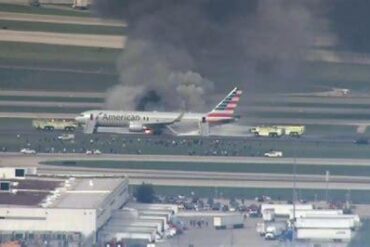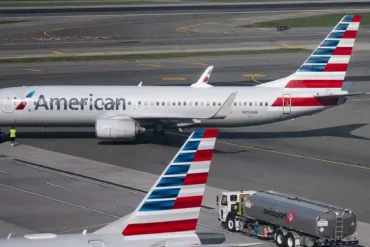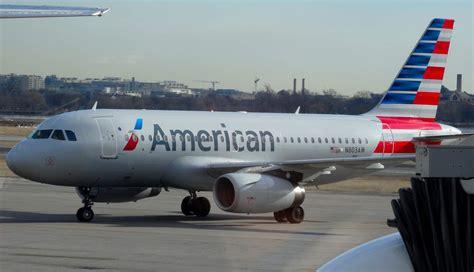
On June 10, 2025, passengers aboard American Airlines Flight 2537 faced a terrifying moment when their Airbus A319 was forced to abort takeoff at Chicago O’Hare International Airport (ORD) after the left engine emitted flames and black smoke. The incident, captured in a viral video by a passenger, showed a burst of fire and heavy smoke billowing out from the engine just before takeoff. While no injuries were reported, the episode highlighted growing concerns about aging aircraft, airline maintenance protocols, and the urgent importance of real-time crew responsiveness in crisis scenarios.
The Critical Moment on Runway at ORD
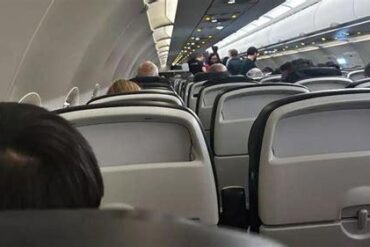
The jet, scheduled for a 09:50 AM departure from Chicago O’Hare (ORD) to Tucson International Airport (TUS), was in its final preparations for takeoff when the incident occurred. Eyewitnesses and onboard passengers noted that the aircraft began its taxi sequence normally. However, just as the aircraft began to throttle up for takeoff, a sudden burst of flames erupted from the engine, followed by dense black smoke. Panic momentarily spread among passengers as the cabin filled with the acrid scent of burned fuel and some visual intrusion of the smoke cloud.
The flight crew reacted immediately. Following established emergency procedures, the pilots aborted the takeoff and safely taxied the aircraft back to the gate under its own power. There was no external firefighting required, as fire crews confirmed there was no active fire to suppress upon inspection.
Passenger Response & Viral Footage
The drama intensified after a passenger video went viral across social media platforms. The footage, showing the engine flare-up and smoke, sparked online discussions about airline safety and fleet maintenance standards. Despite the frightening visuals, all 124 passengers and 5 crew members were safely evacuated without incident. Eyewitness News Chicago reported that no one required medical attention.
Maintenance Mystery: What Went Wrong?
In its preliminary statement, American Airlines attributed the incident to a ‘maintenance issue’, though details remain scarce. No fire damage was detected within the engine components, raising speculation that a fuel misfire, oil leak, or transient hardware malfunction may have caused the combustion visible from the exterior. The Federal Aviation Administration (FAA) is reportedly monitoring the situation, although no formal investigation has been launched at this stage.
The exact cause will likely remain under wraps until American Airlines or federal authorities provide a full technical post-mortem. For now, speculation hinges on whether this was a fuel nozzle malfunction, compressor stall, or possibly a foreign object ingestion (FOD) scenario that ignited flammable material.
Rapid Response: Replacement Jet and Delayed Departure
With Flight 2537 grounded, American Airlines scrambled to source a replacement aircraft. After a four-hour delay, a substitute Airbus A319 was assigned. The aircraft finally departed at 13:45 local time, cruising at 32,000 feet, and landed safely in Tucson at 15:02, nearly four hours behind schedule.
Despite the delay, American Airlines ensured passengers were accommodated and offered a seamless continuation of their journey, reflecting the airline’s capability to manage logistical emergencies swiftly.
The Aircraft: Aged Veteran of the Skies
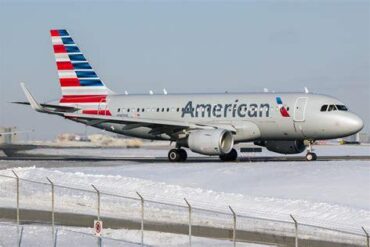
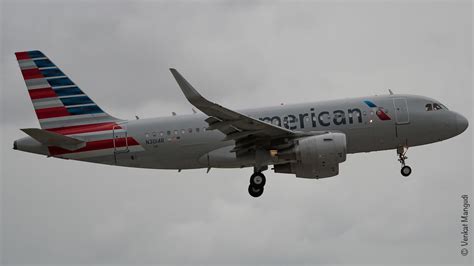
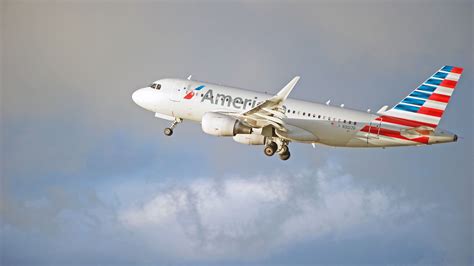
The aircraft involved in the incident, bearing manufacturer serial number 1088, is a 25.8-year-old Airbus A319. Originally delivered to America West Airlines, this narrowbody has changed hands across several carriers before being integrated into the American Airlines fleet in 2013. With over two decades of service, it exemplifies the operational lifespan of aging aircraft in active duty.
The replacement aircraft used later that day was not much younger. It bore serial number 1373, a 24.6-year-old A319 also first operated by America West and later assimilated into American’s fleet. This age factor raises important discussions about fleet modernization and the role of preventive maintenance in older aircraft.
Recurring Theme: Airbus A319 Engine Incidents in the US
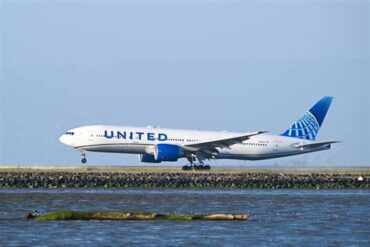
This incident is not isolated. Just days prior, United Airlines experienced a similar engine flare on another Airbus A319 in Houston, leading to an emergency evacuation. While the two events appear unconnected, the recurrence of engine-related issues on A319s within a short time window has led aviation analysts to call for deeper scrutiny.
Though the Airbus A319 has a solid safety track record globally, the CFM56 engines used on many of these aircraft are approaching or exceeding their mid-life overhaul periods. Without timely maintenance upgrades or fleet retirements, such engines may increasingly pose unexpected risks.
Ongoing Questions: Is American Airlines Doing Enough?
The quick pilot response and safe handling of the situation speak volumes about American Airlines’ crew training and emergency readiness. However, it raises deeper questions:
- Are routine maintenance checks identifying developing engine faults quickly enough?
- What is the threshold age where A319s should be retired or heavily retrofitted?
- Are economic constraints delaying necessary investments in newer, safer airframes?
With American Airlines still operating a significant number of aircraft older than 20 years, these concerns remain urgent. Industry experts suggest that while age alone doesn’t determine airworthiness, older aircraft typically demand more frequent, invasive inspections—something that, if neglected or delayed, can lead to incidents like the one in Chicago.
Federal Oversight and Potential Reforms
Though the FAA has not officially stepped in for a formal investigation, incidents like these often serve as a catalyst for regulatory reassessments. Whether this leads to new fleet age limitations, increased random inspections, or mandatory upgrades to engine systems, remains to be seen.
There’s also speculation around pushing for mandatory retirement caps for narrowbody jets operating on high-frequency domestic routes, particularly those with older-generation engines. The airline industry, operating on slim margins post-pandemic, faces a balancing act between economic survival and maintaining the highest levels of passenger safety.
Passenger Trust and Public Perception
In the age of smartphones, passenger experiences during incidents like this are immediately broadcast to millions. The viral nature of the Chicago event has once again thrust airline safety into public consciousness, and with it comes a wave of both rational concern and uninformed panic. While American Airlines managed this particular emergency professionally, they must now address the lingering unease through transparency, timely communication, and visible safety reassurances.
Failure to do so could lead to eroding trust in their operational standards, especially on older aircraft models.
Conclusion: A Wake-Up Call for U.S. Aviation?
The aborted takeoff at Chicago O’Hare may not have ended in tragedy, but it underscores the razor-thin margins that define modern aviation safety. With an aging fleet, recurring engine anomalies, and rising passenger volumes, airlines must elevate maintenance vigilance to a new level.
The industry faces tough questions about whether cost containment is beginning to compromise proactive safety strategies. For American Airlines, the incident offers both a warning and an opportunity: double down on maintenance rigor, modernize aging equipment, and communicate transparently with the public.
In a world where every passenger is a potential broadcaster, there is no room for reactive safety. The engines may have smoked this time—but the spotlight on American’s maintenance policies is now burning much brighter.