In a world where travel plans can change in the blink of an eye, today’s headlines reveal just how dynamic—and sometimes unpredictable—the global tourism landscape has become. From the raging wildfires threatening iconic American landmarks to fresh opportunities for British holidaymakers with Celestyal Cruises, the travel industry is navigating both crises and innovation. Meanwhile, Turkey’s once-affordable charm is fading as soaring costs push holidaymakers toward alternatives like Greece and Spain, sending ripples through local economies. Cultural heritage debates are heating up in the UK over the fate of the Parthenon Marbles, while the UAE reimagines its scorching summers as vibrant seasons for art and culture. Around the world, countries are rethinking how they attract visitors, manage crowds, and preserve their treasures. Whether it’s environmental challenges, shifting taxes, or creative collaborations, these stories remind us that travel is more than movement—it’s a mirror reflecting the world’s changes.
Grand Canyon Wildfire Forces Evacuations and Travel Disruption
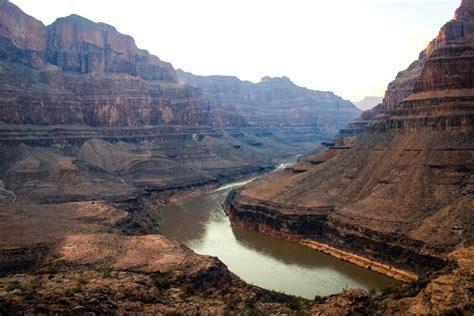
A fast-moving wildfire near the Grand Canyon has triggered significant evacuations, forcing the closure of the national park’s North Rim. Dry winds have fanned flames across thousands of acres, engulfing the skies in dense, hazardous smoke. Emergency teams are working tirelessly to contain the blaze, yet officials warn that long-term air quality concerns could persist for days or even weeks. The wildfire’s impact extends beyond environmental damage, threatening domestic travel plans during peak summer tourism. Park closures are prompting cancellations and rerouting of itineraries for travelers hoping to explore one of America’s most iconic landscapes. Local tourism stakeholders are bracing for economic losses if the situation continues.
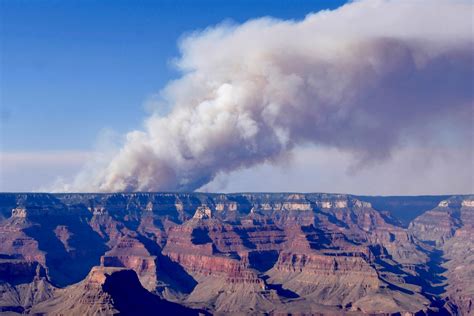
The emotional toll on families and individuals whose plans have been disrupted cannot be understated. As the Grand Canyon attracts millions of visitors each year, the ripple effects of this wildfire extend to local businesses, accommodations, and dining establishments that rely on tourism. Many are now scrambling to find ways to recover from potential financial strain. The ongoing situation underscores the fragility of the tourism sector, particularly in areas heavily reliant on natural attractions. As travelers seek to visit these breathtaking vistas, the threat of wildfires serves as a stark reminder of the environmental challenges facing our national parks.
Alaska Considers Seasonal Tourist Tax
Meanwhile, in the realm of tourism policy, Alaska is weighing a controversial proposal to impose higher seasonal taxes on visitors. Following Honolulu’s lead, Juneau has suggested raising the summer sales tax to 7.5%, specifically targeting cruise passengers while lowering rates during the winter months for residents. This plan aims to balance the booming tourism economy with the pressures placed on local communities, such as overcrowding and strain on infrastructure. Proponents argue that the higher summer tax could help fund essential services, while critics fear it may discourage visitors and harm local businesses dependent on tourism. Alaskan voters will make the final decision in October.
The debate surrounding this proposal reflects broader concerns about the sustainability of tourism in regions experiencing rapid growth. With Alaska’s stunning landscapes and rich cultural offerings, there is a delicate balance to strike between attracting visitors and maintaining the integrity of local communities. The potential tax increase raises questions about how destinations can effectively manage tourism without alienating the very travelers they aim to attract.
Celestyal Cruises Launches New All-Inclusive Brand for UK Market
In cruise news, Mediterranean cruise line Celestyal Cruises has announced the launch of “Celestyal Travel,” an all-inclusive holiday brand targeting UK travelers. The new offering bundles cruises with flights, hotel stays, and curated excursions, making it easier for travelers to plan seamless getaways to Greece and surrounding regions. This expansion signals Celestyal’s strategic move to capitalize on the UK’s appetite for hassle-free travel experiences. With a focus on Mediterranean culture, cuisine, and heritage, Celestyal hopes to differentiate itself in the competitive cruise market.
The all-inclusive model not only simplifies the booking process but also enhances the overall travel experience by providing travelers with a comprehensive package that includes everything from transportation to immersive cultural activities. This shift aligns with growing consumer preferences for convenience and value, making it an attractive option for those seeking memorable vacations without the stress of planning every detail independently.
British Museum Faces Political Tensions Over Parthenon Marbles
Back in the UK, the British Museum finds itself at the center of political controversy as former Prime Minister Liz Truss and other leaders voice opposition to secret discussions with Greece regarding the possible return of the Parthenon Marbles. Critics describe any move to repatriate the historic sculptures as a betrayal of British heritage. Supporters, however, argue that returning the marbles would right historical wrongs and strengthen cultural ties between the UK and Greece. The debate reignites longstanding tensions over ownership and cultural identity tied to ancient artifacts.
This heated discussion not only reflects the complexities surrounding cultural heritage but also raises questions about how museums and institutions navigate the demands of history and modern ethical considerations. As public sentiment evolves, the pressure mounts on the British Museum to address the claims made by Greece and other nations seeking the return of their cultural treasures. This situation could redefine how museums operate in a global context, balancing the need for preservation with the call for restitution.
Turkey’s Soaring Costs Drive Tourists to Greece and Spain
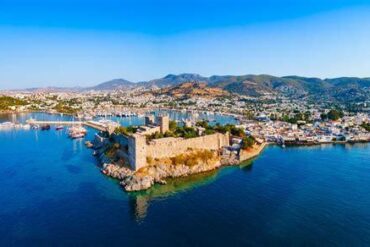
Turkey, once synonymous with affordable family holidays, is facing an unexpected downturn in tourism as prices skyrocket. The cost of an average family holiday has now surpassed $3,750, pushing travelers toward more budget-friendly alternatives like Greece and Spain. Popular Turkish destinations such as Antalya and Bodrum are seeing significant drops in bookings. Local tourism operators are increasingly worried about sustaining business amid high inflation and declining competitiveness. Industry insiders warn that unless pricing stabilizes, Turkey risks losing its reputation as an accessible, value-driven destination.
The implications of rising costs are profound, not just for travelers but for the entire Turkish economy. As tourists flock to neighboring countries, local businesses face an uphill battle to attract visitors back. The shift in preferences underscores the need for a strategic approach to pricing and marketing in order to retain a competitive edge in the ever-evolving travel landscape.
India and Greece Collaborate to Spotlight Ioannina as Creative Hub
In a move blending cultural diplomacy and tourism development, India and Greece have announced a partnership to promote Ioannina—a historic city in northwestern Greece—as a global center for creative industries. The initiative will focus on attracting filmmakers, fostering student exchanges, and encouraging sustainable tourism. Officials hope the collaboration will transform Ioannina into a destination for cultural storytelling and international cooperation. With its rich history and scenic landscapes, the city could become a magnet for creative professionals and travelers alike.
This partnership highlights the increasing recognition of cultural tourism as a vital component of economic development. By positioning Ioannina as a hub for creativity, both countries aim to leverage their unique cultural assets to draw international attention and investment. This strategy not only promotes tourism but also fosters a deeper understanding and appreciation of diverse cultures, paving the way for future collaborations and exchanges.
Australia’s Northern Territory Bets on Dark Sky Tourism
Facing a slump in visitor numbers, Australia’s Northern Territory is turning to the stars—literally—to boost regional tourism. Authorities are promoting dark sky experiences, capitalizing on the pristine, low-light conditions of the outback to attract astronomy enthusiasts and casual stargazers. Dark sky tourism offers a new angle for travelers who previously flocked to landmarks like Uluru but may now be seeking unique experiences. Tour operators hope this celestial pivot will revitalize the region’s tourism sector and provide sustainable economic benefits.
By harnessing the natural beauty of the night sky, the Northern Territory is not just diversifying its tourism offerings but also creating a niche market that caters to a growing interest in astronomy and astrophotography. This innovative approach reflects a broader trend among destinations to offer experiential travel options that connect visitors with nature in meaningful ways.
UAE Rebrands Summer with Vibrant Art Scene
Finally, the UAE is transforming the narrative around its scorching summer season by establishing it as a time for cultural engagement. Major cities like Dubai, Abu Dhabi, and Sharjah are hosting large-scale art exhibitions, ranging from urban street murals to global photography showcases. These creative events are not only providing indoor escapes from the desert heat but also positioning the UAE as a cultural hub. Tourism officials believe investing in the arts can help diversify the economy and attract visitors year-round, regardless of soaring temperatures.
As the UAE continues to evolve its image, the focus on art and culture represents a significant shift in how the country markets itself to both residents and tourists. By highlighting its commitment to creativity and innovation, the UAE aims to establish itself as a premier destination for cultural experiences, further enhancing its appeal on the global stage.
As the global tourism landscape continues to evolve, travelers and industry players alike will need to navigate shifting priorities, political debates, and innovative new offerings. From wildfires in the US to cultural collaborations in Greece, the travel world remains dynamic and unpredictable.