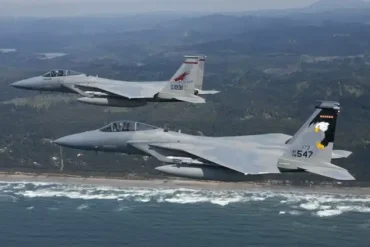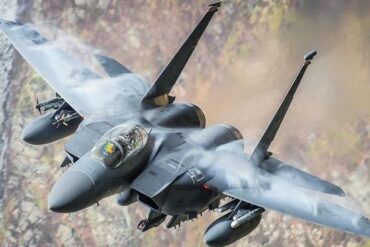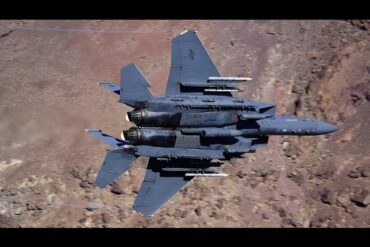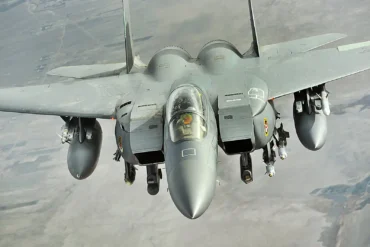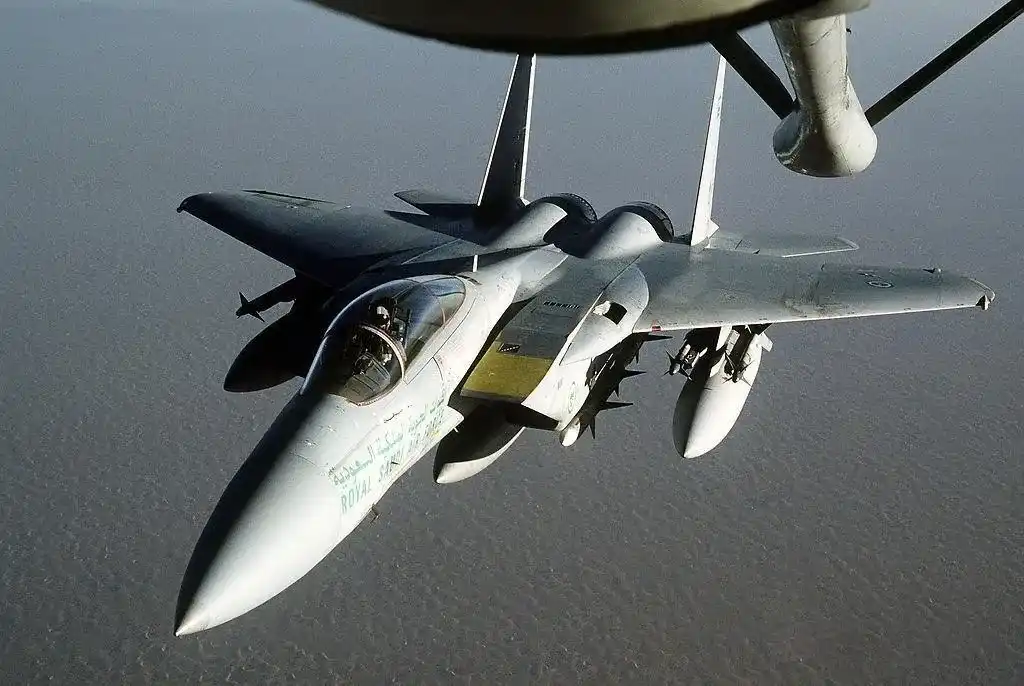
The F-15 Eagle is a dominant air superiority fighter that has maintained its edge through continuous upgrades in avionics and radar systems. Central to its success is its advanced radar technology, which has undergone multiple iterations to enhance range, resolution, and resistance to electronic countermeasures. The evolution of the F-15 radar system reflects the fighter’s adaptability, ensuring operational effectiveness in modern air combat.
Evolution of the F-15 Radar Systems
AN/APG-63: The Original Powerhouse
The AN/APG-63 radar was introduced with the early variants of the F-15 (A/B/C/D models). Utilizing pulse-Doppler radar technology, it enabled the aircraft to differentiate between airborne targets and ground clutter, a critical function for low-altitude engagements.
Key features of the AN/APG-63 include:
- Long-range detection: Capable of tracking targets up to 296 km away, providing an early advantage in aerial combat.
- Multiple operating modes: Featuring long-range search, velocity search (optimized for fast-moving threats), and close-combat tracking for gun and missile engagements.
- Reliability challenges: Early versions suffered from a Mean Time Between Failures (MTBF) of only 15 hours, prompting an upgrade to AN/APG-63(V)1 with a vastly improved MTBF of 120 hours.
- Electronic Counter-Countermeasures (ECCM): Enhanced resistance against jamming threats, ensuring clear target acquisition even in contested environments.
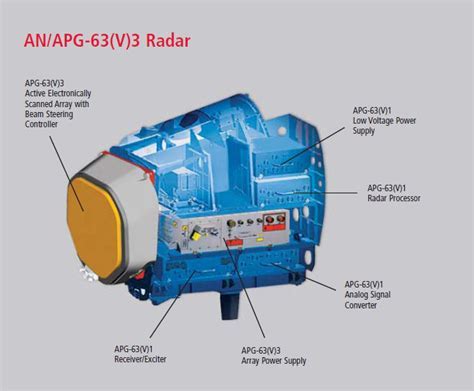
AN/APG-70: Enhanced Multi-Target Capabilities
The AN/APG-70 was developed as an advanced successor to the APG-63 for the F-15C/D and F-15E Strike Eagle. This radar brought significant improvements in range, processing power, and target tracking capabilities.
- Extended detection range: Increased to 160 km, providing superior beyond-visual-range (BVR) engagement capabilities.
- Multi-target tracking: Able to simultaneously track 10 enemy aircraft and engage 6 targets with guided missiles.
- Data integration: Works in conjunction with the Advanced Display Core Processor II (ADCP II), allowing for rapid tactical decision-making.
- Air-to-ground capability: Unlike its predecessor, the APG-70 supports precision strike operations, including target identification for guided munitions.
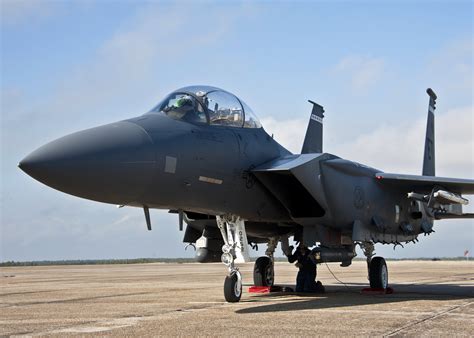
APG-82(V)1: The AESA Revolution
The APG-82(V)1 is the most recent and advanced radar system installed on modernized F-15s. This radar incorporates Active Electronically Scanned Array (AESA) technology, offering superior situational awareness and electronic warfare capabilities.
- Increased resolution: AESA technology provides finer target discrimination and greater immunity to jamming.
- Simultaneous air and ground targeting: Enables multi-domain operations by tracking air threats while engaging ground targets.
- Reduced maintenance: Unlike mechanically scanned radars, AESA radars have no moving parts, drastically improving durability and reliability.
- Enhanced electronic warfare: Equipped with advanced jamming resistance and the ability to conduct electronic attacks on adversary systems.
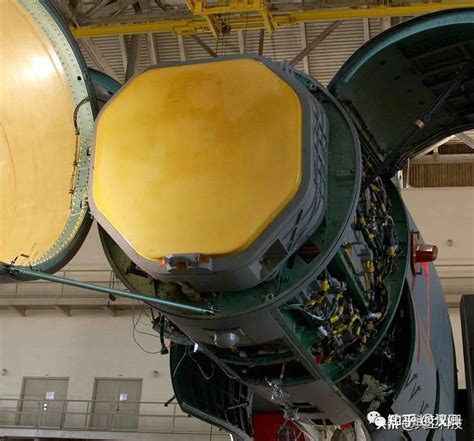
Core Functionalities and Tactical Advantages
Look-Down, Shoot-Down Capability
One of the defining features of the F-15 radar is its pulse-Doppler processing, which allows pilots to detect and engage low-flying threats that would otherwise blend into ground clutter. This capability ensures effective tracking of enemy aircraft flying at tree-top level, a critical feature in modern warfare.
Multi-Target Engagement and Fire Control Integration
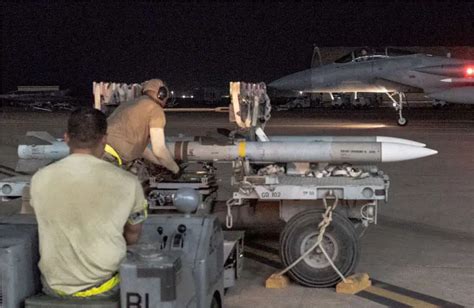
The radar systems of the F-15 seamlessly integrate with the aircraft’s fire control system, ensuring precise targeting data is fed directly to weapons such as:
- AIM-120 AMRAAM: Medium-range air-to-air missile used for beyond-visual-range (BVR) engagements.
- AIM-9 Sidewinder: Short-range infrared-guided missile ideal for close dogfights.
- M61 Vulcan 20mm cannon: In close-quarters combat, the radar provides accurate target lead data for gunnery solutions.
Electronic Warfare and Countermeasures
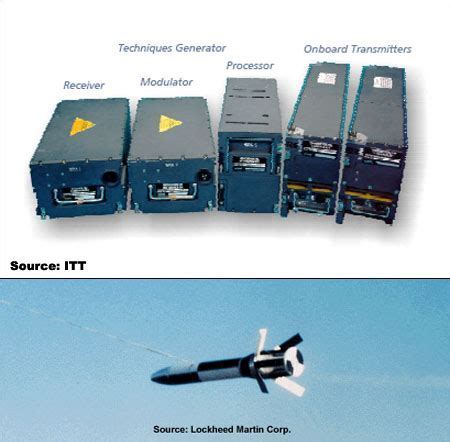
F-15 radars are designed to operate in heavily contested electronic warfare (EW) environments. Features include:
- Digital signal processing (DSP): Filters out noise and enhances signal clarity, ensuring tracking reliability.
- Adaptive filtering: Automatically adjusts to enemy jamming techniques to maintain radar lock.
- Integration with countermeasures: Works alongside fiber-optic towed decoys (FOTD) and chaff dispensers to mislead enemy radar-guided missiles.
Combat Applications and Strategic Impact
Air Superiority and Historical Combat Success
The F-15 Eagle has been an undisputed champion in air combat, largely due to its superior radar technology. During Operation Desert Storm, F-15s achieved a 104:0 kill ratio, demonstrating the dominance of its radar-guided missile systems.
Ground Attack and Precision Strike Capabilities
The F-15E Strike Eagle, equipped with the APG-70 radar, has revolutionized air-to-ground warfare by integrating with targeting pods like LANTIRN (Low Altitude Navigation and Targeting Infrared for Night). This enables terrain-following flight, pinpoint accuracy with laser-guided bombs (LGBs), and all-weather attack capabilities.
Future Upgrades and Innovations
The radar systems of the F-15 continue to evolve, with future enhancements including:
- AI-Assisted Radar Processing: Software updates integrating machine learning to improve target identification and engagement efficiency.
- Stealth Countermeasures: Enhanced detection of low-observable (stealth) aircraft, ensuring dominance in the era of fifth-generation fighters.
- Integration with Network-Centric Warfare: Real-time data sharing with other combat aircraft, ground stations, and naval assets to create a fully synchronized battlespace.
FAQ: Common Questions About F-15 Radar Systems
1. How does the F-15’s radar compare to modern stealth aircraft radars?
The F-15’s APG-82(V)1 AESA radar provides superior tracking range and resolution, but it lacks the low-observable integration seen in stealth aircraft like the F-22 Raptor’s APG-77 or the F-35’s APG-81.
2. Can the F-15 radar detect stealth aircraft?
Modern F-15 radars have improved low-observable detection capabilities, but stealth aircraft are designed to minimize radar signature. Future radar upgrades aim to enhance passive detection techniques to counter stealth threats.
3. What is the advantage of AESA radar in combat?
AESA radars like the APG-82(V)1 offer faster target tracking, greater resistance to jamming, and the ability to engage multiple threats simultaneously, providing a decisive edge in both air-to-air and air-to-ground missions.
The F-15 Eagle’s radar evolution ensures its continued dominance, adapting to the ever-changing battlefield with cutting-edge technology and tactical versatility.