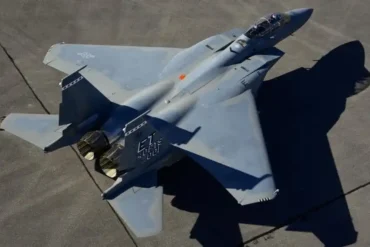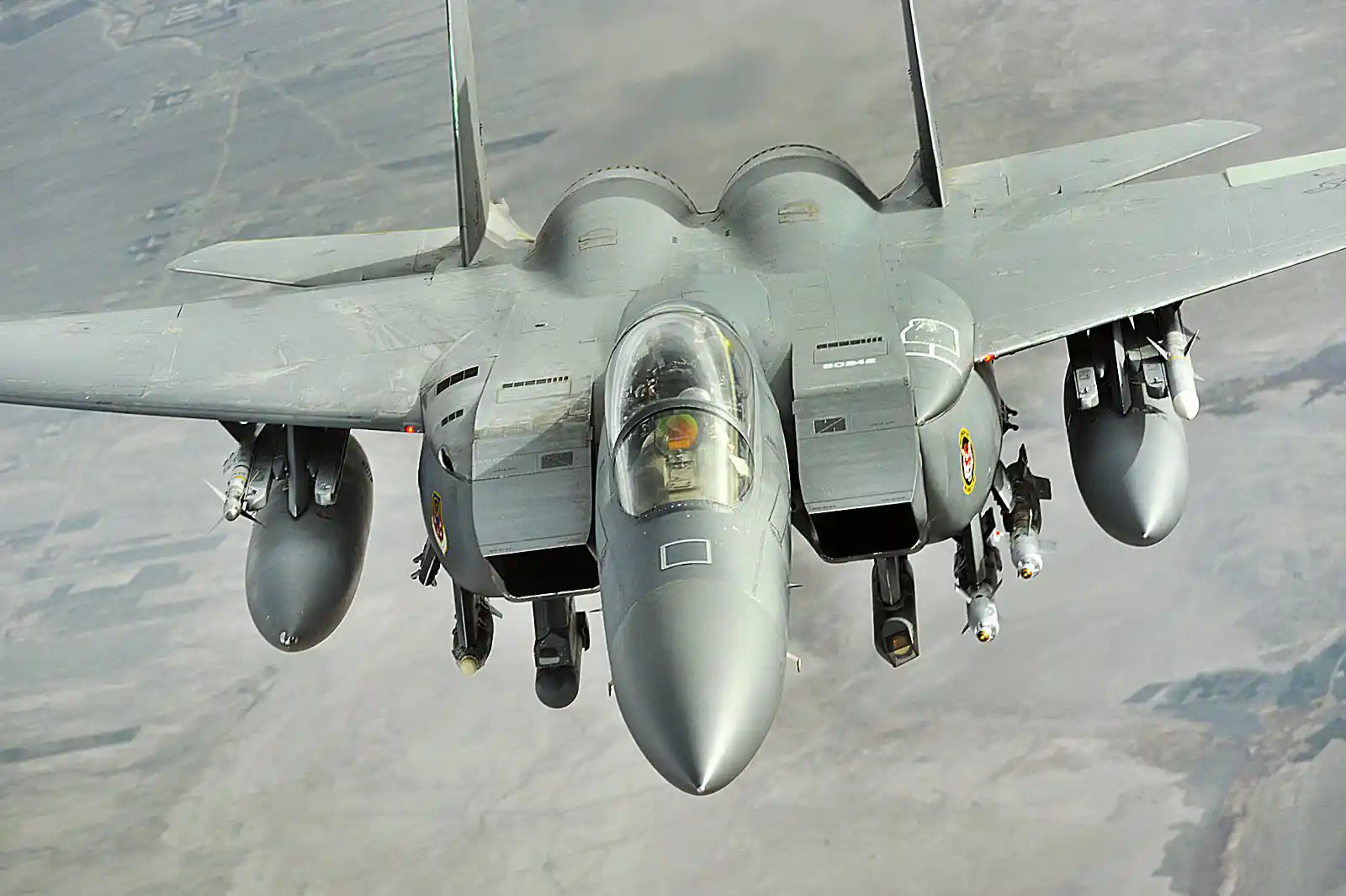
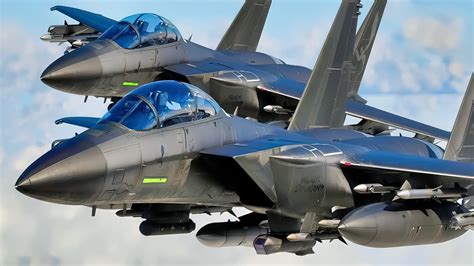
The McDonnell Douglas F-15 Eagle, one of the most formidable air superiority fighters in history, is renowned for its exceptional speed, maneuverability, and advanced weapon systems. Among its arsenal, the M61A1 Vulcan rotary cannon serves as a vital close-range weapon, ensuring combat effectiveness even in scenarios where missiles are not viable. This article provides a comprehensive overview of the F-15’s gun, including its specifications, combat role, integration, historical significance, and modern upgrades.
Gun Specifications
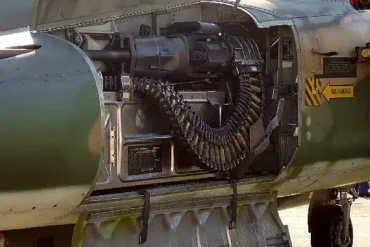
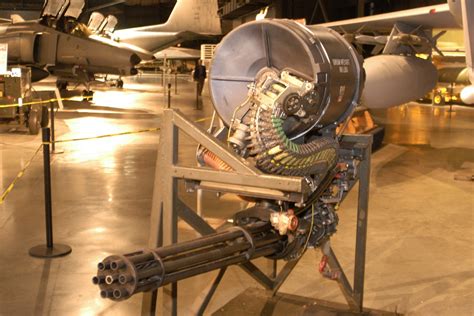
The M61A1 Vulcan is a six-barreled, Gatling-style rotary cannon designed to deliver high rates of fire with maximum reliability. Initially developed by General Electric and later manufactured by General Dynamics, this cannon has been a standard feature in many U.S. fighter aircraft. Below are its key specifications:
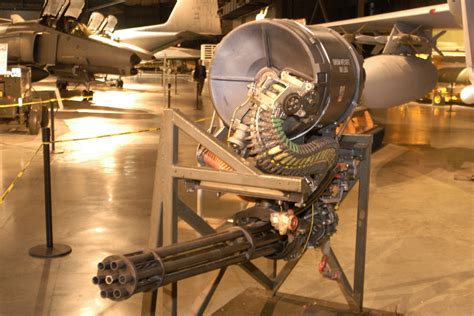
- Type: M61A1/A2 Vulcan
- Caliber: 20mm (20×102mm ammunition)
- Rate of Fire: 6,000 rounds per minute (100 rounds per second)
- Ammunition Capacity:
- F-15A, F-15C, and F-15J variants: 940 rounds
- F-15E Strike Eagle: 512 rounds (due to modifications for additional fuel and avionics systems)
- Mounting: Internally housed in the right-wing root near the air intake to maintain aerodynamic efficiency.
The M61A1 Vulcan uses a combination of high-explosive incendiary (HEI) rounds and armor-piercing ammunition, ensuring its effectiveness against both air and ground targets.
Role in Air Combat
Despite modern beyond-visual-range (BVR) missile dominance, the M61A1 cannon remains an essential weapon for close-range engagements. In dogfights, where aircraft maneuver within visual range (1-2 km), missiles may not be effective due to countermeasures or extreme maneuverability. The F-15’s gun provides pilots with a last-resort weapon to ensure lethality in high-G engagements.
Additionally, in air-to-air combat training, pilots extensively practice cannon engagements, refining their marksmanship and ensuring readiness for situations where missiles are unavailable or ineffective.
Integration with Avionics and Fire Control
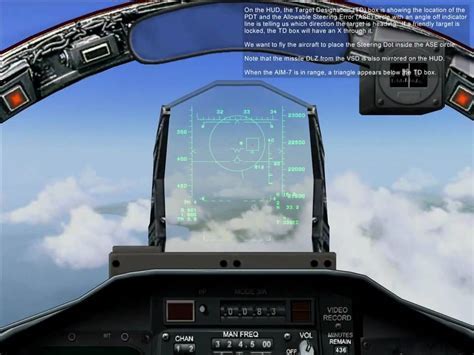
The M61A1 Vulcan is seamlessly integrated into the F-15’s advanced avionics suite, providing pilots with precise aiming capabilities. Key systems linked to the gun include:
- AN/APG-63 or AN/APG-70 radar: Used to track targets and assist in aiming.
- Head-Up Display (HUD): Displays gun sight and target information.
- Lead-Computing Optical Sight (LCOS): Provides a dynamic aiming reticle to enhance accuracy.
- Hands-On Throttle and Stick (HOTAS) System: Allows pilots to rapidly switch between missiles and the gun without removing their hands from the controls.
This integration enables rapid target acquisition, ensuring that pilots can effectively engage threats even in highly dynamic combat scenarios.
Historical Context and Combat Use
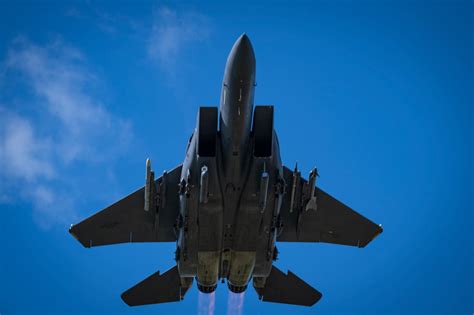
The inclusion of an internal gun in the F-15 was a direct response to lessons learned from the Vietnam War. Earlier jet fighters, such as the F-4 Phantom II, were initially designed without guns, relying solely on missiles. However, in close-range combat, enemy aircraft often evaded missiles, highlighting the necessity of a built-in cannon.
Although most of the F-15’s 104 air-to-air victories have been achieved with missiles, the M61A1 remains a crucial component of its weapon systems. Notably, during the Gulf War (1991), F-15E Strike Eagles utilized the gun for ground strafing missions, effectively targeting lightly armored vehicles and enemy positions.
Comparison with Other Fighter Aircraft Guns
The M61A1 Vulcan is considered superior to many of its contemporaries due to its high rate of fire and reliability. Comparisons with other fighter aircraft cannons include:
- F-15 M61A1 (6,000 RPM) vs. MiG-29 GSh-30-1 (1,500 RPM): The M61A1 has a significantly higher rate of fire but requires careful ammunition management.
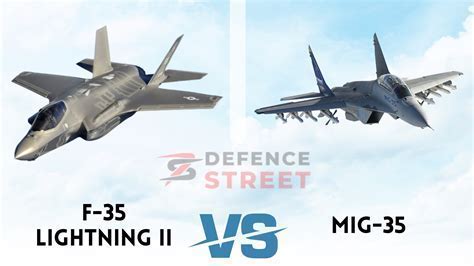
- F-15 vs. F-35: While the F-35’s GAU-22/A (25mm) cannon has a larger caliber, the M61A1’s six-barrel design provides a faster and more sustained rate of fire.
- F-15 vs. Su-27 GSh-30-1: The Su-27’s 30mm cannon fires heavier rounds but at a much lower rate, reducing the likelihood of scoring multiple hits in a short burst.
Modern Upgrades and Future Relevance
Despite advancements in missile technology, the M61A1 remains integral to modern F-15 variants, including the F-15EX Eagle II. The latest upgrades include:
- Enhanced Targeting Systems: Helmet-mounted cueing systems improve the pilot’s ability to engage agile targets.
- Digital Fire Control Enhancements: Modern avionics improve gun accuracy in both air-to-air and ground-attack scenarios.
- Ammunition Developments: Newer high-explosive and armor-piercing rounds increase lethality against both aerial and ground targets.
The F-15EX retains the M61A1, ensuring that future pilots will continue to rely on this proven weapon system in both aerial and ground combat roles.
FAQ
1. How effective is the M61A1 Vulcan in modern aerial combat?
The M61A1 remains highly effective in close-range dogfights, providing pilots with a reliable backup weapon when missiles are not viable. It is particularly useful against maneuverable aircraft and helicopters.
2. Why does the F-15E Strike Eagle have fewer rounds than other F-15 variants?
The F-15E carries only 512 rounds because it allocates additional internal space for fuel and avionics required for its ground-attack role. This trade-off ensures the Strike Eagle maintains extended range and mission versatility.
3. How does the M61A1 compare to the cannons on Russian fighter jets?
The M61A1 has a significantly higher rate of fire than Russian counterparts like the GSh-30-1 (1,500 RPM). However, Russian cannons fire larger-caliber rounds, trading rate of fire for increased individual round effectiveness.
The M61A1 Vulcan continues to be a defining feature of the F-15 Eagle, ensuring combat effectiveness even in the most challenging engagements. Whether in dogfights, ground attack missions, or as a last-resort weapon, this legendary rotary cannon remains a crucial component of one of the world’s most successful fighter aircraft.