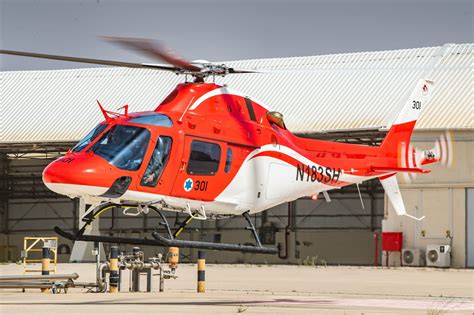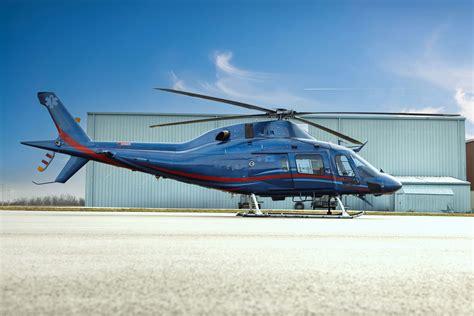
The United States has formally cleared a Foreign Military Sale (FMS) enabling Israel to expand its fleet of Leonardo AW119Kx light utility helicopters, marking another incremental yet strategically significant enhancement of Israeli rotary-wing capacity. Approved by the U.S. State Department and notified to Congress on January 30, 2026, the potential $150 million package reflects a deliberate focus on training efficiency, sustainment depth, and long-term operational readiness rather than headline-grabbing combat platforms.
At its core, the approval authorizes Israel to procure additional AW119Kx airframes, along with a comprehensive ecosystem of support elements. These include aviation ground support equipment, spare and repair parts, specialized tools, engineering services, technical publications, and extensive logistics backing. Training for both flight crews and maintenance personnel, supported by U.S. government and contractor expertise, forms a central pillar of the deal, underscoring that this acquisition is as much about human capital and fleet resilience as it is about aircraft numbers.
The structure of the approval is notable. Rather than a single large, disruptive acquisition, the AW119Kx expansion builds upon a previously approved case that remained below the statutory congressional notification threshold. This approach, frequently used for mature and proven programs, allows Israel to scale a trusted platform incrementally while minimizing political friction and integration risk. The result is a smooth expansion path that aligns closely with Israel’s established rotary-wing doctrine.
A Militarized Light Helicopter Purpose-Built for Training and Utility
The Leonardo AW119Kx is not a civilian helicopter with cosmetic military add-ons. The “Kx” designation denotes a militarized evolution of the AW119K, designed specifically to meet armed forces requirements for training, liaison, and light operational support. It incorporates enhanced avionics, reinforced structures, and military certification standards that distinguish it clearly from commercial variants.
Powered by the Pratt & Whitney Canada PT6B-37A engine, delivering over 1,000 shaft horsepower, the AW119Kx offers robust performance in hot-and-high environments. This is particularly relevant for Israel, where desert heat and variable terrain impose demanding performance margins. The helicopter’s strong power reserve translates into confident hover performance, responsive handling, and consistent payload capability across a wide range of mission profiles.
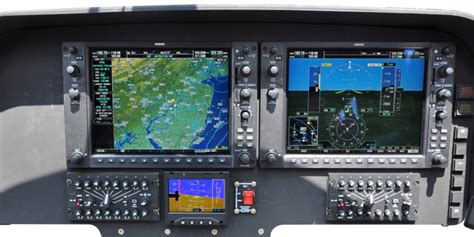
The cockpit is typically built around the Garmin G1000H glass avionics suite, providing a fully digital flight deck compatible with night-vision goggles, advanced navigation procedures, and instrument flight rules training. For Israeli pilots, this cockpit architecture closely mirrors that of frontline helicopters, creating a seamless transition path from basic and advanced training to complex operational platforms.
Filling a Critical Operational Niche in Israel’s Rotary-Wing Fleet
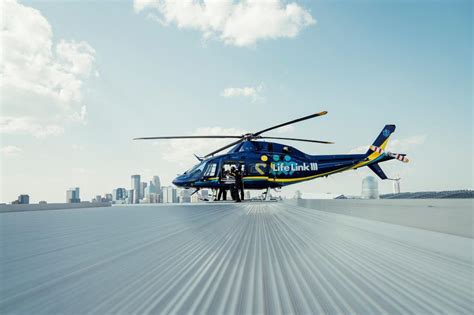
From an operational standpoint, defense analysts consistently point to the AW119Kx as occupying a high-value niche between basic trainers and larger, more expensive utility helicopters. Its spacious cabin, flat-floor design, and flexible interior allow rapid role changes between personnel transport, liaison duties, light cargo movement, and casualty evacuation without structural modification.
For the Israeli Air Force, this versatility translates into tangible strategic benefits. Routine flights, border security support, and daily training sorties can be conducted using a cost-efficient, high-availability platform, preserving medium-lift and attack helicopters for missions where their specialized capabilities are essential. In effect, the AW119Kx acts as a force multiplier by protecting the service life and readiness of Israel’s more complex rotary-wing assets.
Structurally, the Kx variant incorporates crashworthy seating, energy-absorbing structures, reinforced landing gear, and redundant systems designed to enhance crew survivability during intensive daily operations. While not intended for contested airspace, these features significantly reduce risk during training and peacetime missions, where the bulk of flight hours are accumulated.
Sustainment, Sovereignty, and Long-Term Readiness
A key signal embedded in the approved package is Israel’s emphasis on maintenance autonomy and rapid turnaround. The inclusion of supplemental type certificate tools and engineering support suggests a clear intent to conduct modifications, upgrades, and certification activities domestically. This aligns with Israel’s broader defense philosophy of maintaining sovereign control over fleet configuration and availability.
The AW119Kx is widely regarded as maintenance-friendly, with straightforward access to critical components and a design optimized for high sortie rates. Lower maintenance burden translates directly into higher fleet availability, reduced training bottlenecks, and more predictable operating costs. Over time, these factors compound into a meaningful readiness advantage.
Training elements included in the FMS package further reinforce this focus. By integrating aircrew and maintenance instruction with U.S. and contractor technical assistance, Israel ensures that new airframes enter service with minimal delay and that operational standards remain tightly aligned with evolving best practices.
Strategic Context of the U.S.-Israel Defense Relationship
Although the AW119Kx is an unarmed platform, its approval fits squarely within the U.S. strategy of reinforcing Israel’s qualitative military edge through enabling capabilities. High-quality training systems, efficient logistics, and resilient support fleets underpin combat effectiveness just as surely as advanced missiles or strike aircraft.
By strengthening Israel’s rotary-wing training and utility backbone, the United States is indirectly enhancing the readiness of combat units that rely on well-trained pilots and preserved airframe life. This approach delivers long-term dividends without escalating regional sensitivities associated with offensive weapon systems.
Delivery schedules have not been publicly disclosed, but program familiarity and existing infrastructure suggest that integration could proceed rapidly once the congressional review period concludes. As additional AW119Kx helicopters enter service, they are expected to become a central pillar of Israel’s rotary-wing ecosystem, quietly supporting daily operations while shaping the next generation of Israeli military aviators.