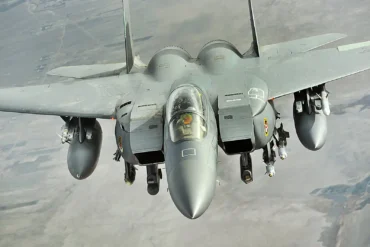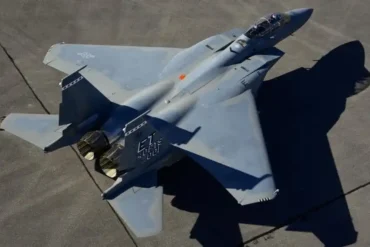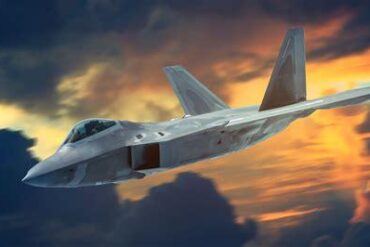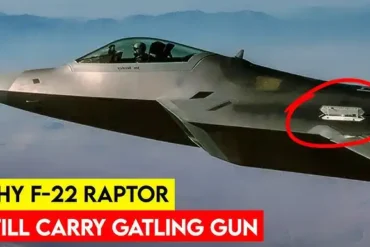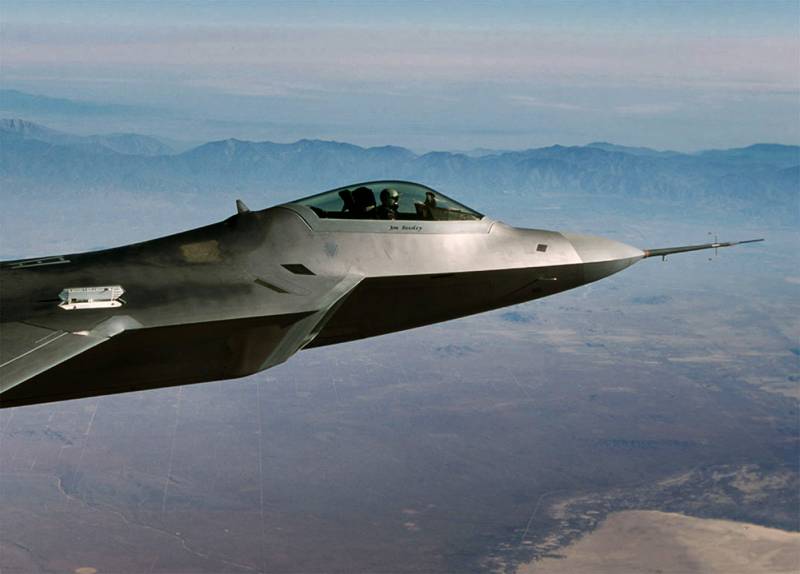
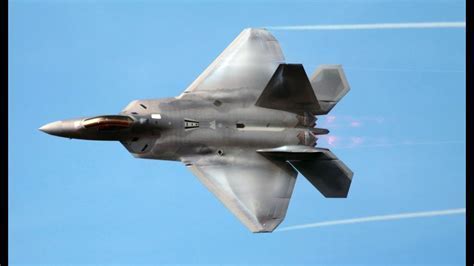
The F-22 Raptor, the pinnacle of American air superiority, is equipped with a formidable M61A2 Vulcan rotary cannon. While the aircraft is primarily designed for stealth, beyond-visual-range (BVR) combat, and advanced maneuverability, its internally mounted 20mm cannon serves as a crucial last-resort weapon for close-range engagements. This article delves into the specifications, operational use, limitations, and future enhancements of the F-22’s cannon.
M61A2 Vulcan: Design and Specifications
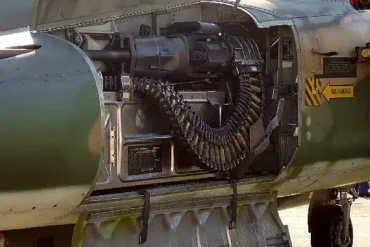
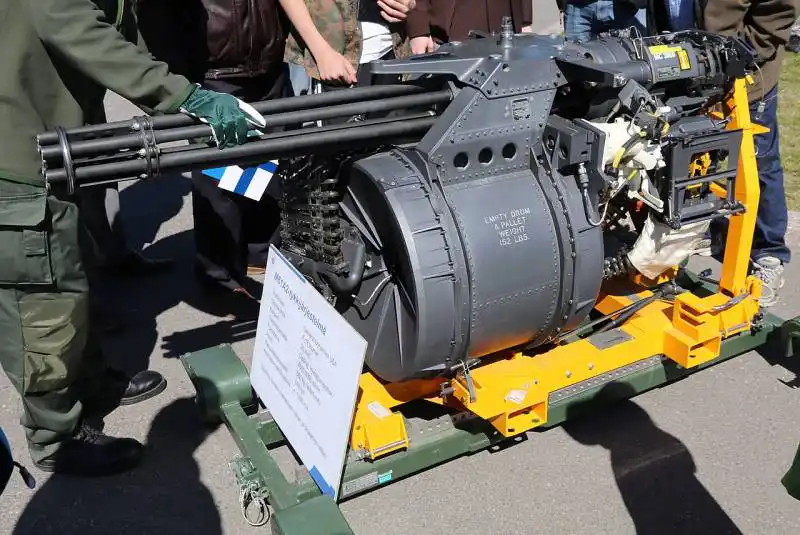
The M61A2 Vulcan is a six-barrel, Gatling-style rotary cannon that fires 20mm rounds at an astonishing rate of approximately 6,000 rounds per minute. It is a lighter variant of the widely used M61 Vulcan, specifically modified for the F-22’s stealth and weight constraints.
- Weight Reduction: Compared to the standard M61, the M61A2 is lighter by 20%, allowing for better aircraft balance.
- Ammunition Capacity: The F-22 carries 480 rounds, sufficient for about five seconds of sustained fire.
- Placement: The cannon is internally mounted in the right wing root, ensuring a low radar cross-section (RCS).
- Firepower and Muzzle Velocity: The high-speed rotary system enables rapid target engagement with a muzzle velocity of 1,050 m/s (3,445 ft/s).
The Role of the M61A2 in Combat
Despite the F-22’s heavy reliance on stealth and advanced missile systems, the M61A2 Vulcan remains an essential weapon for situations where missiles may be ineffective. These include:
- Within Visual Range (WVR) Dogfights: When enemy aircraft close in beyond missile effectiveness, the F-22’s agility and gun system become critical.
- Strafing Ground Targets: The cannon is used for precision strikes when stealth is not a priority.
- Engagements Against Agile Opponents: In encounters against aircraft like the Su-35 or J-10, the F-22 must rely on maneuverability and short-range weapons.
Design Trade-Offs and Limitations
The F-22’s cannon system comes with several constraints, dictated by the aircraft’s overall design philosophy:
1. Limited Ammunition and Fire Time
Compared to aircraft like the F-16 Fighting Falcon (which carries 511 rounds), the F-22’s 480-round capacity is modest. This allows for only brief bursts, making precision essential.
2. Internal Mounting and Deployment Delay
To maintain its stealth profile, the M61A2 is stored internally and requires a split-second deployment before firing. While this reduces radar detectability, it introduces a slight delay in combat situations.
3. Stealth Over Close Combat Dominance
The F-22 is built for first-look, first-shot advantage, meaning its cannon is a secondary tool. Unlike aircraft such as the F-15EX, which integrate larger external gun pods, the F-22 relies on superior situational awareness and missile engagement before using the cannon.
Operational Use and Evolving Tactics
As the aerial combat landscape evolves, new tactics and technologies enhance the F-22’s short-range engagement potential.
1. Integration of Helmet-Mounted Displays (HMDs)
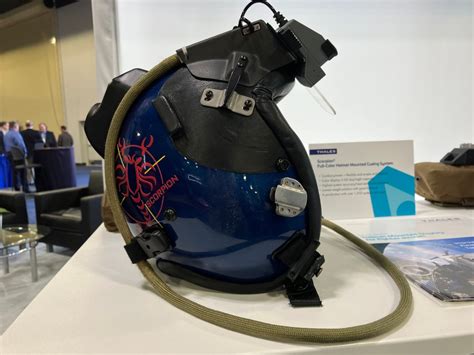
The recent addition of the Scorpion Helmet-Mounted Display (HMD) has significantly improved target tracking and aiming for the M61A2.
- Pilots can now engage off-boresight targets faster, reducing reliance on missile lock times.
- Augmented reality overlays help with rapid target acquisition and cannon aim assistance.
2. Advanced Infrared Search and Track (IRST) Sensors
With increasing adversary stealth capabilities, IRST pods assist in detecting and engaging threats without radar dependency, making the cannon more viable against low-RCS targets.
3. Close-Range Training Adjustments
The U.S. Air Force has been conducting extensive WVR combat exercises, ensuring F-22 pilots develop expertise in gun-based dogfighting despite the aircraft’s preference for long-range kills.
Criticism and Strategic Considerations
Critics argue that the F-22’s design prioritization of stealth and BVR engagements leaves it at a disadvantage in prolonged dogfights. Key concerns include:
- Limited Sustained Firepower: The five-second burst capacity means pilots must use rounds judiciously.
- Cannon Deployment Time: Unlike externally mounted guns, the M61A2 requires a split-second to be activated.
- Modern Dogfight Scenarios: Close-range battles against highly maneuverable fighters like the Su-57 or Rafale require rapid response that can sometimes favor non-stealthy but highly agile aircraft.
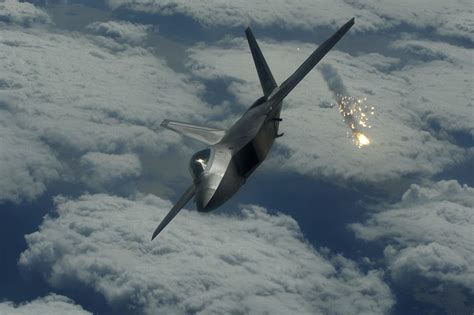
Despite these criticisms, the F-22 remains unmatched in aerial dominance, and its cannon is a critical asset when missiles are not an option.
Conclusion
The M61A2 Vulcan cannon aboard the F-22 Raptor is a highly specialized weapon, optimized for stealth, short bursts of extreme firepower, and last-resort air combat scenarios. While it faces certain limitations due to ammunition capacity and deployment timing, ongoing technological upgrades such as helmet-mounted targeting systems and infrared sensors continue to enhance its effectiveness in modern aerial warfare. As adversaries develop counter-stealth strategies, the F-22’s cannon will remain an essential component of its combat capabilities.
FAQ
1. Why does the F-22 Raptor have a cannon if it focuses on stealth?
While the F-22 is designed for BVR engagements, the M61A2 Vulcan provides a critical backup weapon in WVR dogfights, ensuring the aircraft remains lethal in scenarios where missiles may be ineffective.
2. How does the F-22’s M61A2 compare to the F-35’s cannon?
The F-22’s M61A2 Vulcan is an internally mounted, high-rate-of-fire system, while the F-35A uses a GAU-22/A four-barrel cannon with a slightly larger 25mm caliber but lower rate of fire. The F-22’s design prioritizes stealth, making its cannon deployment slightly slower than the externally mounted version on the F-35A.
3. What improvements have been made to enhance the F-22’s cannon effectiveness?
The addition of the Scorpion Helmet-Mounted Display (HMD), improved infrared sensors, and enhanced pilot training for close-range engagements have significantly improved the effectiveness of the F-22’s cannon in modern combat scenarios.