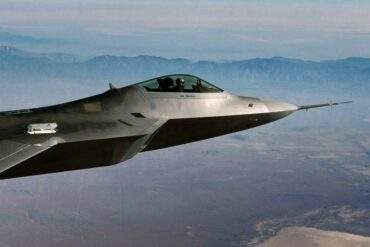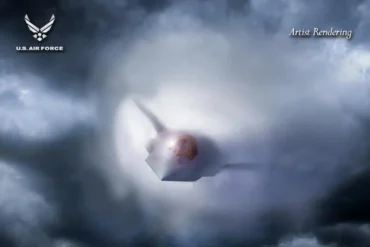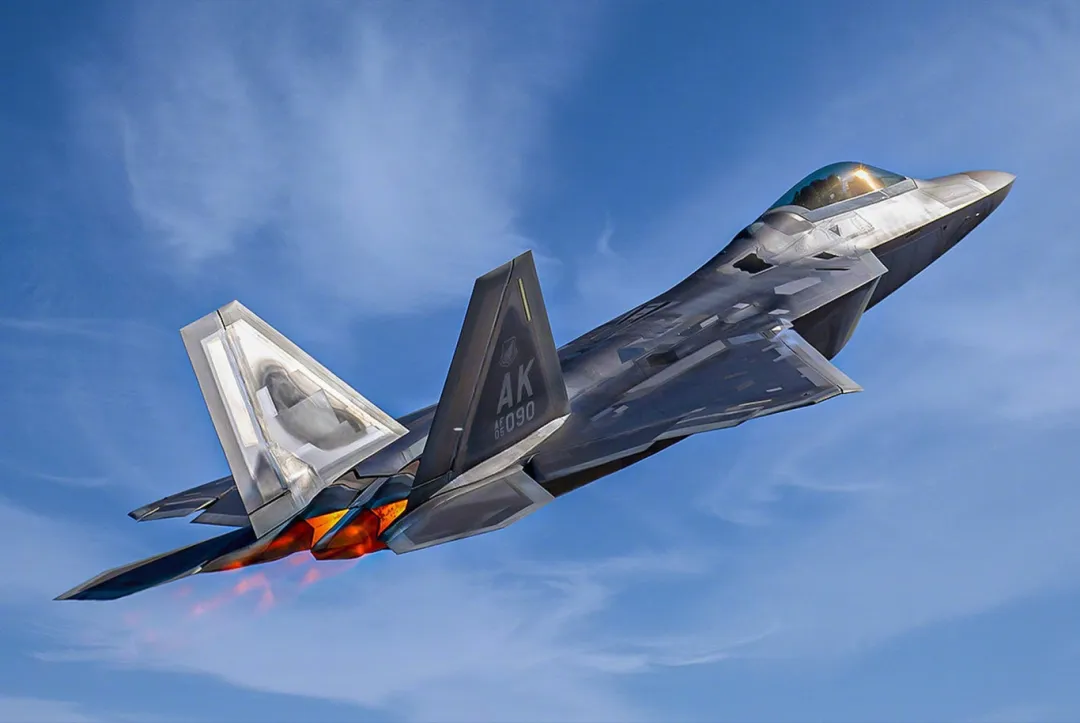
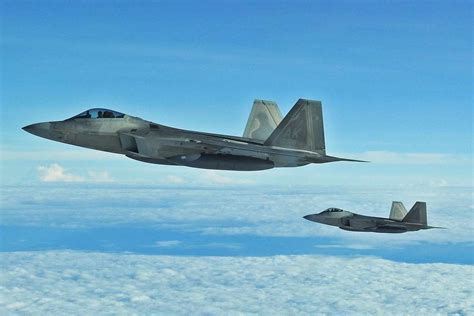
The F-22 Raptor is widely regarded as the most advanced fifth-generation air superiority fighter in the world, yet its combat record remains relatively limited. Built for air dominance, stealth operations, and first-strike capabilities, the F-22 has played a crucial role in modern air campaigns, particularly against ISIS and in deterrence missions worldwide. Despite its restricted operational use due to high maintenance costs and limited production, the aircraft has proven itself in every mission it has undertaken. This article examines the F-22’s combat history, strategic uses, and future prospects.
First Combat Mission: Syria (2014)
The F-22 Raptor’s first documented combat mission took place on September 23, 2014, during U.S.-led airstrikes in Syria against the Islamic State (ISIS). This marked the transition from training to operational deployment for the aircraft, which had previously been reserved for deterrence and high-value air superiority roles.
On this mission, an F-22 conducted a precision airstrike against an ISIS command-and-control facility using a GPS-guided munition. The target was successfully destroyed, showcasing the F-22’s ability to operate undetected in contested airspace while minimizing collateral damage. This mission demonstrated the stealth and precision strike capabilities that make the Raptor a key asset in modern warfare.
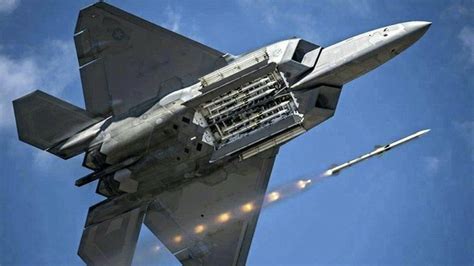
F-22 Operations Against ISIS
Following its first strike, the F-22 continued its involvement in anti-ISIS operations in both Syria and Iraq. Deployed from Al Dhafra Air Base in the UAE, the aircraft was primarily used for high-value target eliminations, reconnaissance, and air superiority patrols.
Key Roles in Counter-ISIS Operations:
- Stealth Penetration: The F-22’s low radar signature allowed it to operate in contested airspace without detection.
- Precision Targeting: The aircraft successfully eliminated weapons depots, command centers, and leadership targets.
- Air Superiority: Ensuring control of the airspace against any potential threats.
These missions reaffirmed the F-22’s capability to execute first-day-of-war operations, neutralizing enemy air defenses before other aircraft entered the theater.
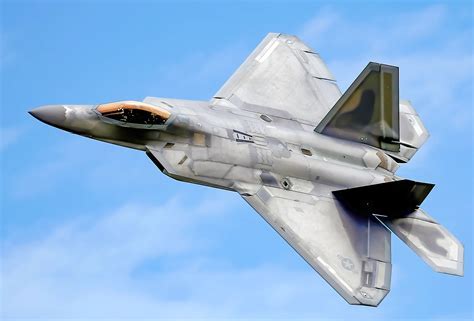
F-22’s Role in Deterrence and Military Exercises
While the F-22’s direct combat record is limited, it has played a crucial role in global deterrence missions and extensive training exercises with allied forces.
Asia-Pacific Operations
To counter rising tensions in the Indo-Pacific region, the F-22 has been deployed to Japan and Guam for joint exercises with the Japan Air Self-Defense Force (JASDF). These exercises showcase U.S. air superiority and reassure regional allies of American military support.
European Deterrence Against Russia
As part of NATO’s deterrence strategy, the F-22 has been deployed to Europe, participating in training exercises with allied air forces. These missions serve as a strong signal against potential Russian aggression, reinforcing the F-22’s role as a global power projection tool.
Simulated Combat Superiority
During 2007 Red Flag exercises, the F-22 achieved an unprecedented kill ratio of 144:0 against fourth-generation fighters, including F-16s and F-15s. This further reinforced the Raptor’s dominance in air-to-air combat, making it a near-invincible asset in dogfight scenarios.
Challenges and Limitations
Despite its capabilities, the F-22 has not been deployed in every conflict due to several factors:
- High Maintenance Costs: The stealth coating and specialized systems require extensive upkeep.
- Lack of Peer Adversaries: The F-22’s full capabilities are designed for near-peer conflicts, rather than counterinsurgency operations like those in Afghanistan or Libya.
- Oxygen System Concerns: Between 2008 and 2012, pilots reported hypoxia-like symptoms, leading to temporary fleet groundings and additional safety modifications.
These limitations have prevented the Raptor from being used in lower-intensity conflicts, keeping it reserved for strategic and high-stakes engagements.

Future Upgrades and Role Evolution
To ensure its relevance in future conflicts, the F-22 Raptor is undergoing key upgrades, enhancing its capabilities in emerging battlefields.
Notable Enhancements:
- Infrared Search and Track (IRST) Sensors: Improves target acquisition without radar activation, crucial for stealth operations.
- LINK-16 Data Link: Enhances interoperability with NATO and allied forces.
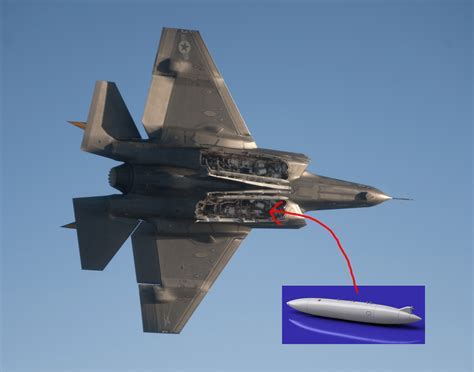
- Extended Range Fuel Tanks: Increases operational reach, particularly in Indo-Pacific deployments.
The F-22’s future combat role will likely focus on integrating advanced sensors, AI-driven targeting, and multi-domain warfare operations, ensuring it remains at the forefront of air dominance strategies.
Summary of Key Combat Engagements
| Year | Operation/Target | Role | Outcome |
|---|---|---|---|
| 2014 | Syria (ISIS command center) | Precision strike | Target destroyed |
| 2014–2017 | Counter-ISIS campaigns | Air-to-ground strikes | Multiple successes |
| 2007–Present | Training exercises | Simulated air dominance | 144:0 kill ratio |
The F-22 Raptor’s combat record underscores its elite role as a high-end stealth platform, reserved for missions where its advanced technology and air superiority are indispensable. Though it has not seen extensive combat compared to legacy fighters like the F-15 or F-16, its strategic deployments and constant upgrades ensure it remains a key asset in U.S. air power.
FAQ
1. Why has the F-22 been used in so few combat missions?
The F-22 Raptor is primarily designed for air dominance against near-peer adversaries. Its high maintenance costs and specialized stealth technology make it impractical for routine airstrikes in low-intensity conflicts like Afghanistan. Instead, it is reserved for strategic deterrence and first-day-of-war scenarios.
2. What makes the F-22 superior to other fighters?
The F-22’s combination of stealth, supercruise, thrust-vectoring, and advanced avionics gives it unparalleled air-to-air combat capabilities. It has a faster kill chain, superior maneuverability, and first-look, first-shot advantage over fourth-generation fighters.
3. Will the F-22 remain in service despite the F-35 and NGAD program?
Yes, the F-22 will continue to serve until at least the 2030s, with ongoing upgrades. While the F-35 has broader multi-role capabilities, the Raptor remains unmatched in air superiority. The NGAD (Next-Generation Air Dominance) fighter is expected to eventually replace the F-22, but until then, it remains a critical asset.