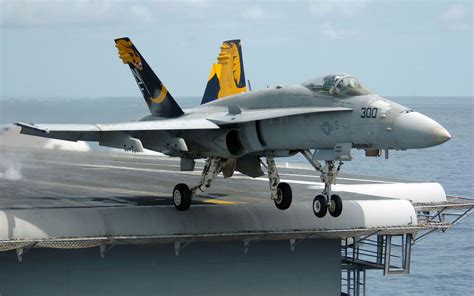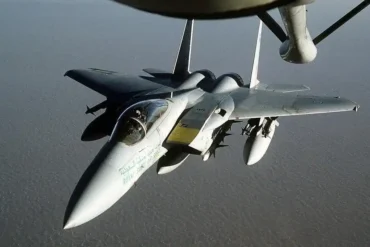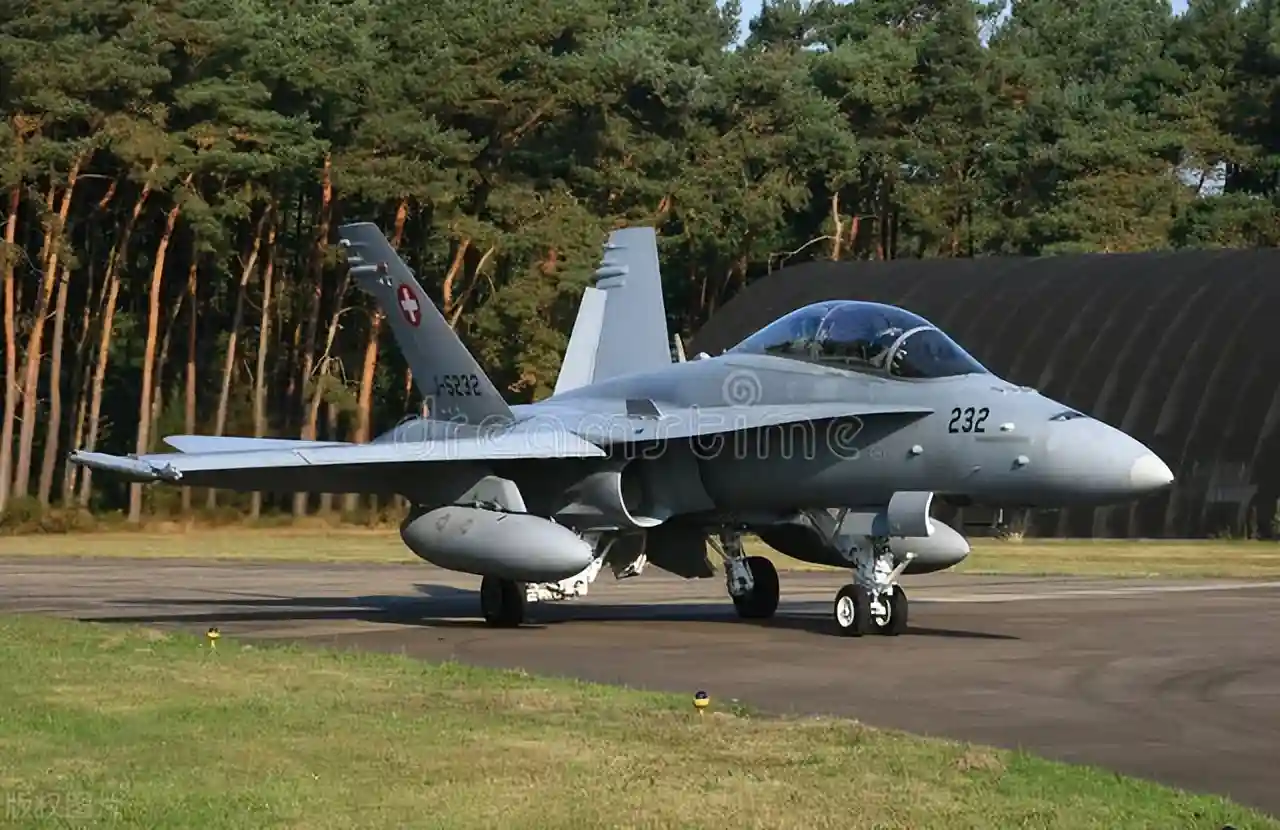
The F/A-18 Hornet and its successor, the F/A-18E/F Super Hornet, serve as critical multi-role aircraft for the U.S. Navy. However, compared to modern stealth fighters, their radar cross-section (RCS) remains a key discussion point. While the F/A-18 series incorporates certain stealth measures, its design fundamentally prioritizes versatility over stealth dominance. This article provides an in-depth analysis of the F-18 RCS, key design factors influencing it, and comparisons with other aircraft.
F/A-18 Series RCS Data
Baseline RCS Values
- F/A-18C/D Hornet: Early models exhibit an RCS of approximately 3 square meters, aligning with fourth-generation fighter characteristics.
- F/A-18E/F Super Hornet: Refinements in airframe design, radar-absorbent materials (RAM), and conformal fuel tanks reduce RCS to 1 square meter.
- Further Improvements: Some reports suggest that advanced modifications, including internal weapons bay integration, could lower RCS to 0.5 square meters, though real-world effectiveness remains debatable.
Comparison With Stealth Fighters
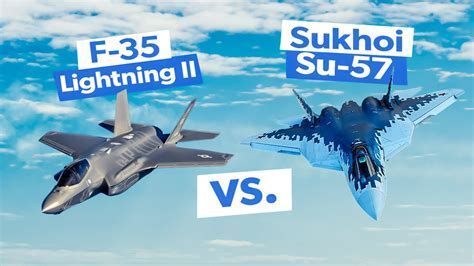
- F-35 Lightning II: The carrier-capable F-35C variant has an RCS of 0.005 square meters, making it vastly superior in stealth performance.
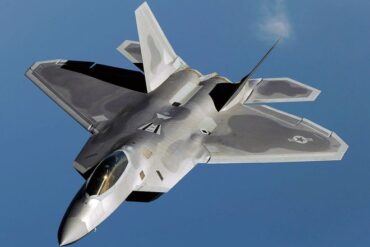
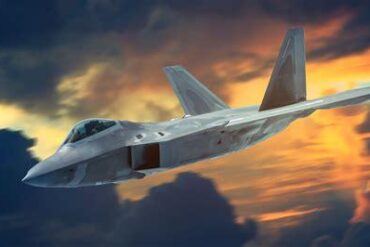
- F-22 Raptor: With an RCS of just 0.0001 square meters, the F-22 sets the benchmark for stealth superiority.
- Su-57 Felon: Estimated RCS of 0.5 square meters, placing it in the same category as upgraded F/A-18 models.
Key Design Factors Affecting F-18 RCS
Aerodynamic Structure
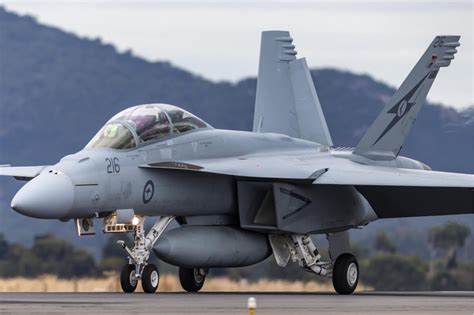
The F/A-18’s dual vertical stabilizers reduce certain radar reflection angles, but its airframe was not originally designed for stealth. The outer wing pylons and leading-edge extensions (LEX) increase RCS when viewed from specific angles.
Weapons Configuration and External Stores
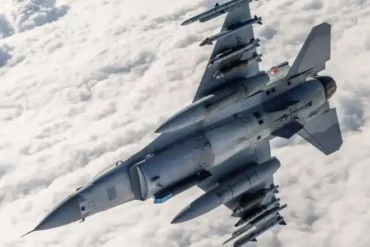
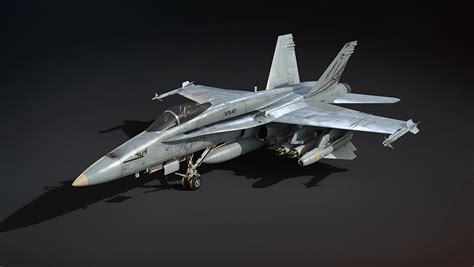
Unlike fifth-generation aircraft with internal weapons bays, the F-18 primarily carries munitions externally. This significantly increases RCS, particularly in high-load configurations such as the so-called “beast mode.”
- Standard Combat Load: RCS remains manageable but still higher than dedicated stealth fighters.
- Full External Loadout: RCS can exceed 10 square meters, making it highly detectable by advanced radar systems.
Material Enhancements and Coatings
Later F/A-18 models employ radar-absorbent materials (RAM) and advanced low-observable coatings to reduce RCS. However, due to its legacy airframe, the aircraft cannot match the RCS reductions achieved by the F-35 or F-22.
Stealth Improvement Efforts
Conformal Fuel Tanks (CFTs) and Enclosed Weapon Pods
- CFTs reduce drag and lower RCS compared to external fuel tanks.
- Efforts to integrate enclosed weapon pods have had some success but do not fully eliminate external weapon signature issues.
Electronic Warfare Systems
- The AN/ALQ-214 electronic warfare system helps jam enemy radar signals, indirectly reducing detection probability.
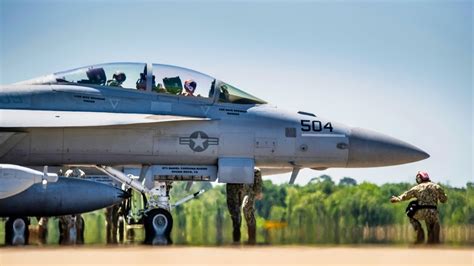
- The EA-18G Growler, the electronic warfare variant, enhances survivability for strike packages by disrupting enemy radar networks.
Comparisons With Modern Carrier Fighters
F/A-18 vs. F-35C
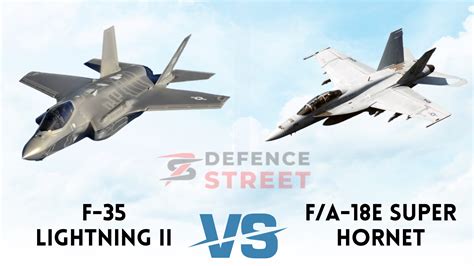
- Stealth: The F-35C’s stealth capabilities surpass the F/A-18, especially in high-threat environments.
- Payload: The Super Hornet can carry more external weapons but at the cost of higher RCS.
- Mission Role: While the F/A-18 remains essential, the F-35C is gradually replacing it as the Navy’s primary strike fighter.
F/A-18 vs. J-15B
- The Chinese J-15B, an advanced carrier-based fighter, incorporates stealth coatings but retains a high RCS due to its Su-33-derived airframe.
- Both aircraft operate in similar roles, with F/A-18E/F benefiting from superior avionics and electronic warfare capabilities.
Future Prospects for the F/A-18
Operational Role Amid Fifth-Generation Fighters
As the F-35C assumes primary strike roles, the F/A-18’s future centers on:
- Supporting roles such as electronic warfare (EA-18G Growler) and aerial refueling (F/A-18F tanker missions).
- Low-intensity conflicts, where stealth is less critical.
- Potential upgrades, including improved sensor fusion, software updates, and enhanced countermeasures.
Conclusion
The F/A-18 series embodies a balance between versatility, payload capacity, and affordability, but its RCS limitations highlight the technological shift toward stealth-focused air combat. While efforts to reduce its radar signature have made strides, the aircraft remains fundamentally less stealthy than fifth-generation platforms. Moving forward, the Super Hornet will likely serve in complementary roles alongside stealth fighters rather than as a primary strike asset.
Frequently Asked Questions
1. How does the F/A-18’s RCS compare to the F-35?
The F/A-18E/F’s RCS is approximately 1 square meter, while the F-35’s RCS is just 0.005 square meters. This stark difference underscores the F-35’s stealth superiority, particularly in contested airspace.
2. Can modifications significantly reduce the F/A-18’s RCS?
While coatings, conformal fuel tanks, and enclosed weapon pods help, they cannot fully compensate for the lack of a stealth-oriented airframe. Fifth-generation aircraft integrate stealth from the ground up, making retroactive improvements less effective.
3. Why does the U.S. Navy still use the F/A-18 if its RCS is higher?
The F/A-18 remains invaluable due to its reliability, cost-effectiveness, and multi-role capability. It serves as a highly adaptable workhorse, with roles including air superiority, strike missions, and electronic warfare, ensuring its continued relevance alongside stealth aircraft like the F-35C.