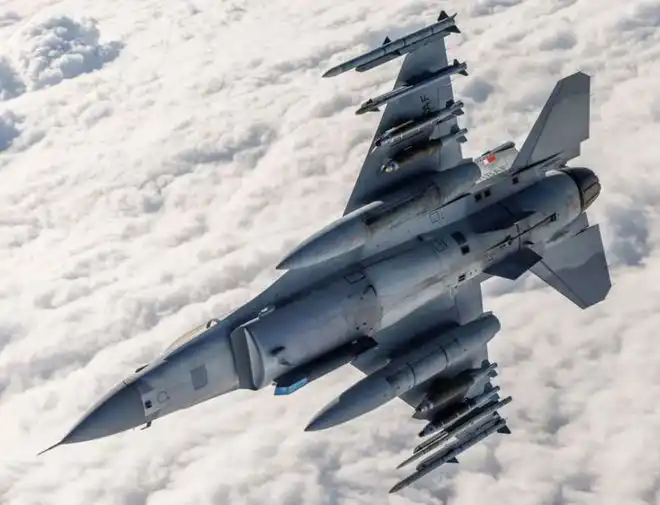
The F-16 Fighting Falcon is a fourth-generation multirole fighter aircraft widely used by air forces around the world. Its radar cross-section (RCS) plays a crucial role in determining its detectability by enemy radar systems. While not a stealth aircraft by design, the F-16 incorporates several features that influence its radar visibility, including its shape, materials, and specialized coatings.
Baseline RCS Characteristics
The radar cross-section of the F-16 varies significantly based on the viewing angle, aircraft configuration, and radar frequency. The aircraft’s RCS is not constant but fluctuates depending on multiple external and structural factors.
Frontal Radar Cross-Section
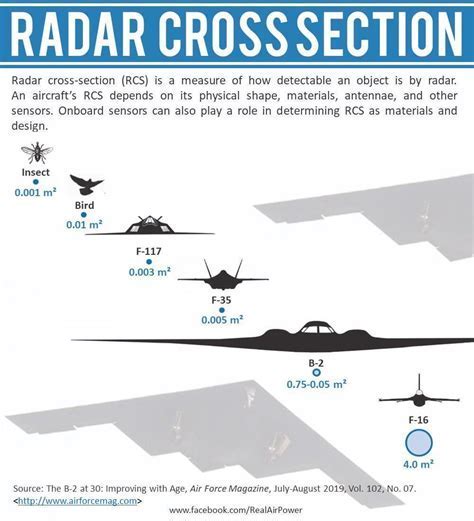
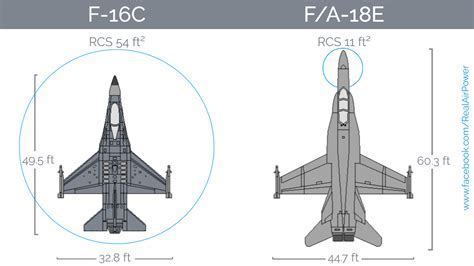
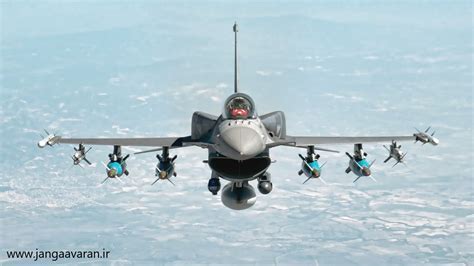
When viewed head-on, the F-16’s frontal RCS is approximately 4 square meters in certain radar frequency bands. This relatively low value is due to:
- Aerodynamic Nose Design: The aircraft features a compact, streamlined nose, which helps reduce reflections.
- Engine Inlet Geometry: The single intake under the fuselage minimizes direct radar wave reflections.
- Small Cross-Section Profile: The aircraft’s fuselage and wing design reduce its direct exposure to enemy radar beams.
Side and Rear Radar Cross-Section
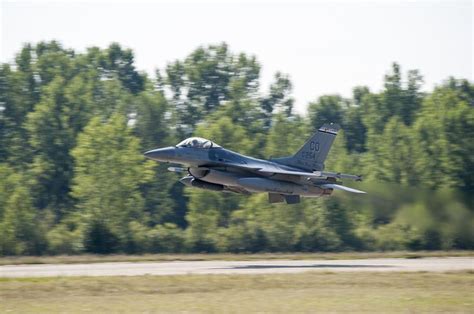
The side and rear RCS of the F-16 is significantly higher than its frontal RCS. When observed from these angles, the aircraft’s RCS exceeds 100 square meters due to:
- Exposed Engine Intakes: The F-16’s open-air intake design provides a strong radar return.
- Vertical Stabilizer Reflection: The aircraft’s tall vertical stabilizer presents a broad reflective surface.
- Exposed Exhaust Nozzle: The hot metal surfaces and turbine blades create a high-RCS return in rear-view observations.
- Wing and Pylon Interference: External fuel tanks, missiles, and weapons pylons contribute to a significantly larger RCS.
Stealth Enhancements: “Have Glass” Coating
To mitigate its radar visibility, modern F-16 variants, including the Block 70/72, incorporate stealth coatings under the “Have Glass” program. These coatings introduce a radar-absorbing material (RAM) that helps reduce the aircraft’s signature.
Key Features of “Have Glass” Technology
The “Have Glass” stealth enhancement involves the application of iron-based radar-absorbing paint combined with conductive elements. The primary effects include:
- Absorption of Radar Waves: Iron-magnetic particles within the coating dissipate incoming radar energy, preventing strong reflections.
- Radar Wave Scattering: Conductive layers within the coating scatter the incoming signals, reducing the aircraft’s detectability.
- Surface Conductivity Alteration: The paint modifies the aircraft’s electrical properties, preventing a strong radar return.
Factors Influencing RCS Variability
Several external and environmental factors determine the F-16’s actual radar cross-section at any given moment. The variability of the RCS can be attributed to the following factors:
Aspect Angle Dependence
The viewing angle plays a crucial role in how radar waves interact with the aircraft’s surface:
- Head-on (Frontal): ~4 m², relatively low due to streamlined nose and inlet positioning.
- Side-on (Lateral): Exceeds 100 m² due to wings, stabilizers, and fuselage reflections.
- Rear Aspect: Among the highest RCS values due to the turbine blades and exhaust nozzle.
Radar Frequency Sensitivity
Different radar bands interact with the aircraft’s structure in various ways:
- X-Band Radar (8-12 GHz): Common in fire-control radars; detects finer details of the aircraft’s structure.
- L-Band Radar (1-2 GHz): Used for early warning radars; lower resolution but less affected by RAM coatings.
- VHF/UHF Radar: Detects larger objects and is less affected by stealth coatings, potentially increasing F-16 detectability.
Structural Modifications & External Loadouts
The F-16’s RCS profile is highly dynamic, particularly when carrying external stores:
- External Fuel Tanks & Weapons: Any additional payload increases the aircraft’s radar signature significantly.
- Pylon Placement: Unused pylons and attached weapons create additional reflective surfaces.
- Conformal Fuel Tanks (CFTs): Present on some advanced variants, these tanks slightly reduce RCS compared to underwing fuel tanks.
- Landing Gear Configuration: An extended landing gear presents more reflective surfaces, increasing RCS.
Operational Impact of Reduced RCS
While the F-16 is not a stealth aircraft, its reduced RCS offers tactical advantages in combat situations:
Enhanced Survivability
- A lower frontal RCS allows F-16 pilots to approach enemy defenses closer before detection.
- The use of “Have Glass” coatings increases survivability by delaying enemy radar lock-on time.
Delayed Missile Engagement Range
- Radar-guided missile systems, such as the S-400 or Patriot SAMs, rely on a high RCS for early tracking.
- By lowering its RCS, the F-16 forces missile operators to engage at a shorter range.
Effectiveness in Modern Air Combat
- Electronic Warfare (EW) systems combined with a reduced RCS improve the F-16’s ability to evade detection.
- Low-altitude penetration missions benefit significantly from a reduced RCS, allowing aircraft to exploit terrain masking.
Conclusion
The F-16 Fighting Falcon’s radar cross-section is a critical factor in its combat effectiveness. While its frontal RCS is relatively low (~4 m²) due to its streamlined design, its side and rear RCS can exceed 100 m² due to exposed engine and structural elements. Modern F-16 variants employ “Have Glass” stealth coatings, which reduce radar reflectivity and improve survivability in contested airspace. Despite being a non-stealth platform, the F-16 remains a formidable fighter through tactical employment, electronic warfare, and aerodynamic refinements.
Frequently Asked Questions (FAQ)
1. How does the F-16’s radar cross-section compare to stealth aircraft?
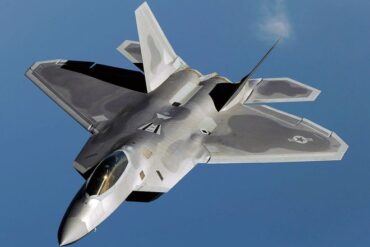
The F-16 has a significantly larger RCS compared to stealth fighters like the F-22 Raptor or F-35 Lightning II, which have RCS values measured in fractions of a square meter. While the F-16’s “Have Glass” coatings help reduce radar visibility, it does not achieve the low observability levels of stealth-designed aircraft.
2. Can an F-16 evade modern air defense systems using RCS reduction?
While “Have Glass” coatings lower the F-16’s detectability, modern air defense systems such as the S-400 Triumf or the AN/MPQ-65 Patriot radar can still track and engage the aircraft, especially from lateral and rear angles where RCS is higher. However, tactical maneuvering, electronic warfare, and low-altitude flight can improve evasion capabilities.
3. Does carrying external fuel tanks increase the F-16’s RCS?
Yes. External fuel tanks, weapons, and pylons significantly increase the aircraft’s radar signature. Some advanced variants use Conformal Fuel Tanks (CFTs), which slightly reduce the RCS impact compared to traditional external tanks.