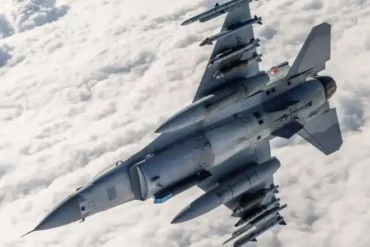
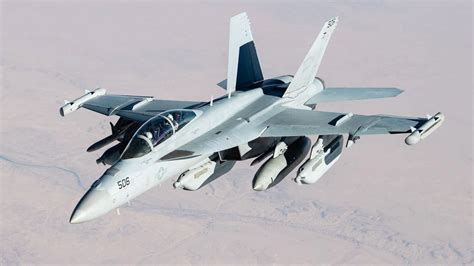
The F/A-18 Hornet is a highly advanced multirole fighter aircraft designed for air superiority, strike missions, and electronic warfare. One of its critical defensive systems is the Radar Warning Receiver (RWR), which provides essential situational awareness to pilots. The RWR acts as a passive detection system, identifying radar emissions from potential threats, categorizing them, and displaying them on the Electronic Warfare (EW) Page.
This article will provide a detailed breakdown of the ALR-67 RWR, its functionality, integration with countermeasure systems, and symbology interpretation to enhance pilot survivability in combat scenarios.
ALR-67 Radar Warning Receiver: Overview
The ALR-67 RWR is the primary electronic warfare system aboard the F/A-18C. It is responsible for detecting, analyzing, and displaying hostile radar signals. The system integrates with the ALE-47 Countermeasures Dispensing System (CMDS) and the ASPJ (AN/ALQ-165) electronic countermeasure jammer, forming a comprehensive self-protection suite against surface-to-air missiles (SAMs) and enemy aircraft.
The RWR system operates by passively listening to radar emissions, allowing the pilot to react to potential threats before they become lethal. Unlike active radar systems, the RWR does not emit signals, making it undetectable to enemy forces.
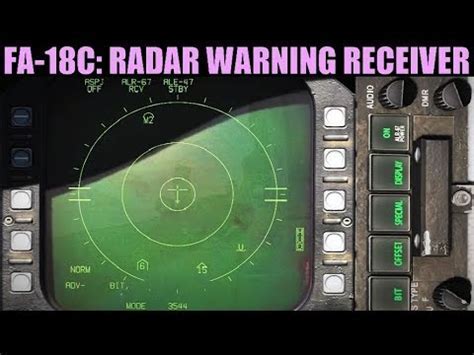
Electronic Warfare Page & Symbology
The EW page on the F/A-18’s display system provides a top-down representation of detected threats. It classifies threats into three primary categories:
- Non-Lethal Threats: Displayed in the outermost ring, indicating that an enemy radar is emitting but has not locked onto the aircraft.
- Lethal Threats: Found in the middle ring, meaning the enemy radar has established a tracking lock.
- Critical Threats: Positioned in the innermost ring, indicating an imminent missile launch.
Each radar source is represented with a unique symbol, allowing pilots to quickly identify the type of threat.
ALR-67 System Integration with Countermeasures
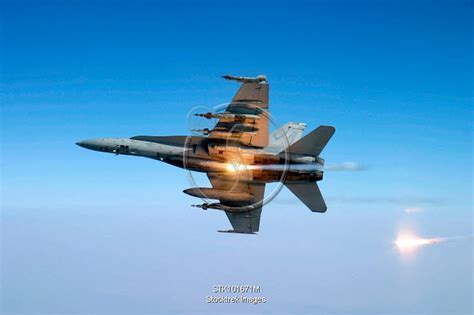
The ALR-67 RWR is fully integrated with the ALE-47 CMDS, which deploys chaff, flares, and Gen-X expendables to disrupt enemy radar and infrared tracking systems. It also interacts with the AN/ALQ-165 ASPJ, an advanced electronic countermeasure system that actively jams hostile radars.
Pilots can select from three countermeasure deployment modes:
- Manual Mode: The pilot chooses and deploys countermeasures manually.
- Semi-Automatic Mode: The RWR suggests countermeasures, but the pilot must initiate deployment.
- Automatic Mode: The system autonomously selects and deploys the most effective countermeasure.
Threat Identification and Symbology
The ALR-67 RWR uses specific symbols to represent different threats:
- Chevron (^): Airborne hostile fighter.
- Half-Circle (◐): Airborne friendly aircraft.
- Staple (⏥): Airborne unknown aircraft.
- Upside-down Dome (∩): Single target track, indicating a radar lock-on.
- SAM Eye Symbol (?): Surface-to-air missile radar.
- Ship Icon (?): Naval vessel with radar system.
- Jammer Strobe (●): Electronic warfare jamming source.
These symbols help pilots rapidly assess the battlefield environment and make informed defensive maneuvers.
ALR-67 Audio & Visual Alerts
The RWR system provides both audio and visual indicators to alert pilots of incoming threats. The audio cues vary based on threat severity:
- Short Beeps: Non-lethal radar detection.
- Rapid Beeps: Lethal radar lock-on.
- Continuous Tone: Missile launch warning.
The visual indicators include flashing symbols and extended threat tags, helping pilots quickly determine the direction of the threat.
Blind Spots & System Limitations
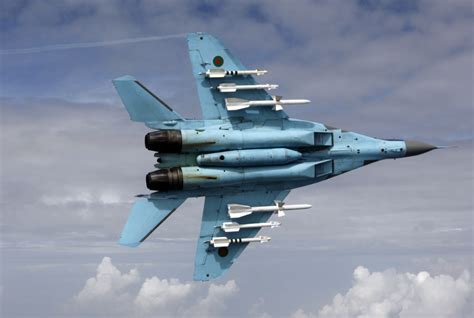
Despite its advanced capabilities, the ALR-67 RWR has inherent limitations:
- Blind Spots: The system has limited vertical coverage, meaning threats directly above or below the aircraft may not be detected.
- False Positives: Electronic warfare environments can sometimes trigger incorrect signals.
- Signal Overlap: Multiple threats in close azimuths may cause cluttered displays, requiring pilots to filter information effectively.
Pilot Response to Threats
When encountering an RWR warning, pilots must execute evasive maneuvers and deploy countermeasures effectively. Defensive tactics include:
- Break Turns: High-G turns to increase separation from the missile’s path.
- Chaff & Flares Deployment: To confuse radar and infrared tracking systems.
- Notching Maneuvers: Flying perpendicular to radar beams to reduce detection probability.
- Jammer Activation: Disrupts enemy radar tracking.
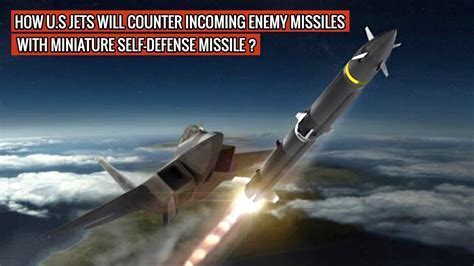
Conclusion
The ALR-67 RWR in the F/A-18 Hornet is a crucial defensive system, providing pilots with real-time threat awareness and integrating seamlessly with countermeasure systems. Understanding threat symbology, system functions, and effective defensive tactics significantly enhances a pilot’s survivability in combat environments.
FAQ
How does the ALR-67 differentiate between radar threats?
The ALR-67 RWR categorizes threats based on signal characteristics, radar mode, and azimuth position. It assigns different symbols to airborne, ground-based, and naval threats, allowing pilots to quickly assess danger levels.
What countermeasures does the F/A-18 use against radar threats?
The F/A-18 employs chaff, flares, and Gen-X expendables to defeat enemy radar and infrared missiles. Additionally, the AN/ALQ-165 ASPJ jammer provides active electronic countermeasures against hostile tracking systems.
What are the limitations of the ALR-67 RWR?
The RWR system has vertical blind spots, can overlap signals, and may produce false positives in dense electronic warfare environments. Pilots must cross-check data with other onboard systems to ensure accuracy.